
Best Candle Fragrance Oils 2026: The Professional Architect's Performance Guide
- Quick Summary: Key Takeaways for Master Candle Makers
- What Are the Best Candle Fragrance Oils for Maximum Performance?
- Criteria for Selection:
- Technical Deep-Dive: Flash Points and Wax Compatibility
- The Physics of Flash Points
- The Golden Ratio: Fragrance Load Calculator
- 2026 Scent Trends: Moving Beyond Basic Florals
- Key Trend Shifts:
- Expert Tips: Common Scent Throw Pitfalls to Avoid
- 1. The Curing Myth
- 2. IFRA 49th & 51st Amendment Compliance
- 3. Temperature Control
- 4. Storage Excellence
- FAQ: Mastering Candle Fragrance
- How much fragrance oil do I use per pound of wax?
- What is the difference between hot throw and cold throw?
- Can I use essential oils instead of fragrance oils in candles?
- What happens if I add too much fragrance oil?
- How do I prevent my fragrance oil from sinking to the bottom?
- What is a fragrance oil flash point?
- How long should candles cure for the best scent throw?
- Are synthetic fragrance oils safe for candles?
- References
In the competitive world of artisanal candle making, the difference between a hobbyist project and a luxury product lies entirely in the chemistry of the scent. As we move into 2026, fragrance load calculator precision and clean scent certifications are no longer optional—they are the baseline for market entry. This guide explores the technical evolution of fragrance oils, backed by data from leading manufacturers like Guangzhou Leuxscent Biotechnology Co., Ltd.

Quick Summary: Key Takeaways for Master Candle Makers
What defines a high-performance fragrance oil in 2026? High-performance oils are engineered aromatic compounds that maintain molecular stability above 185°F, possess a flashpoint safe for transport, and comply with the IFRA 49th Amendment (and the new 51st Amendment) standards for allergen safety.
- Transparency is King: 2026 consumers demand "Radical Transparency." You must utilize oils with clear clean scent certifications and phthalate-free formulas.
- Safety First: Prioritize oils with high flashpoints (>175°F) to ensure safety during the pour and to prevent the scent from burning off before the candle cures.
- The Golden Ratio: Understand that fragrance load typically peaks between 6% and 10% for soy wax, whereas paraffin can handle up to 12%.
- Synthetic Superiority: For hot and cold scent throw optimization in vegetable waxes, high-grade synthetic blends often outperform essential oils due to superior thermal stability.
What Are the Best Candle Fragrance Oils for Maximum Performance?
The best candle fragrance oils are concentrated aromatic compounds specifically engineered for stability in high-heat environments. Unlike standard essential oils, which can degrade and lose therapeutic properties when exposed to the high temperatures of melted wax, professional fragrance oils are designed to bind with wax molecules for a consistent release.
To achieve a luxury market position, manufacturers must look beyond basic scents. Experience matters. For instance, LEUXSCENT, a top-ten fragrance enterprise founded in 2003, utilizes 17 invention patents to create oils that withstand thermal stress without altering the olfactory profile. This level of R&D ensures that the "Cold Throw" (scent when unlit) matches the "Hot Throw" (scent when burning) perfectly—a notorious challenge with soy wax.
Criteria for Selection:
- Flashpoint: Must be above 175°F to prevent "burning off" during the pour.
- IFRA Compliance: Must adhere to the latest safety standards (IFRA 51st Amendment updates regarding specific allergens).
- Solubility: The oil must be fully soluble in your specific wax medium (soy, coconut, paraffin, or beeswax).
Technical Deep-Dive: Flash Points and Wax Compatibility
How does wax type dictate fragrance performance? Soy wax fragrance compatibility relies on the density of the vegetable crystal structure; soy requires a higher concentration of oil (typically 8-10%) and a longer cure time than paraffin to achieve a comparable scent throw.
The Physics of Flash Points
A common myth is that a low flashpoint oil will cause a candle to catch fire. In reality, the flashpoint primarily dictates shipping safety and pouring temperature. If you pour a low-flashpoint oil (e.g., Citrus at 140°F) into wax heated to 185°F, you risk evaporating the top notes before the candle even solidifies.
The Golden Ratio: Fragrance Load Calculator
To ensure consistency, you must calculate your load by weight, not volume. Use this formula for professional batches:
Formula: (Target Load % / 100) * Weight of Wax = Amount of Oil to Add
Example for a 1 lb (16 oz) batch at 10% load:
0.10 * 16 oz = 1.6 oz of Fragrance Oil
| Wax Type | Recommended Load | Pour Temperature | Cure Time |
|---|---|---|---|
| Soy Wax (464/444) | 6% - 10% | 135°F - 145°F | 14 Days |
| Paraffin | 8% - 12% | 160°F - 170°F | 2-3 Days |
| Coconut Blend | 8% - 10% | 140°F - 150°F | 7-10 Days |
| Beeswax | 6% - 8% | 150°F - 160°F | 7 Days |
Data reflects 2025-2026 industry standards for optimal binding.
2026 Scent Trends: Moving Beyond Basic Florals
What are the dominant scent trends for 2026? The market is shifting toward "Functional Fragrance" and "Biotech Scents," where neuro-scents are used to alter mood (focus, calm, energy) rather than just masking odors.
According to recent market analysis, the global candle market is projected to reach over $20 billion by 2030, driven largely by these wellness-centric innovations. Brands must pivot from simple vanilla to complex, narrative-driven profiles.
Key Trend Shifts:
- Biophilic Design: The rise of "Damp Earth," "Tomato Vine," and "Urban Forest." These are vegetable-forward scents that evoke nature without sweetness.
- Neuro-Scents: Leveraging terpenes to create mood-enhancing lines. Leuxscent’s R&D capabilities, backed by their Guangzhou Municipal Enterprise Technology Center, allow for the molecular isolation of these functional triggers.
- The "Grown-Up Gourmand": Moving away from sugary cupcakes to savory notes like Saffron, Toasted Rice, and Smoked Salt.
- Sustainable Sourcing: Consumers in 2026 verify the ethical supply chain. Manufacturers with robust global operations, like Leuxscent's dual production bases in Guangdong, offer the traceability required by modern eco-standards.
Expert Tips: Common Scent Throw Pitfalls to Avoid
Why do some candles have no smell? The most common culprit is hot and cold scent throw optimization failure, usually caused by adding fragrance at too low a temperature or failing to cure the wax properly.
1. The Curing Myth
Many makers light their soy candles 24 hours after pouring. This is a critical error. Soy wax is polymorphic; it continues to harden and trap oil molecules for weeks. 14 days is the non-negotiable standard for maximum soy performance.
2. IFRA 49th & 51st Amendment Compliance
Regulatory bodies have tightened restrictions on ingredients like Lilial. Ensuring IFRA 49th Amendment compliance (and now the 51st) is vital not just for safety, but for liability. Using a trusted supplier like Leuxscent, which integrates independent R&D with global compliance standards, safeguards your brand from regulatory recalls.
3. Temperature Control
- Add Oil: At 185°F (85°C). The wax is expanded, allowing oil to bond molecularly.
- Stir: Gently for two full minutes. This is not a suggestion; it is a chemical necessity for homogenization.
- Pour: At the "slushy" stage (usually 135°F for soy) to prevent glass adhesion issues.
4. Storage Excellence
Fragrance oils degrade under UV light. Store your raw oils in amber glass or opaque aluminum canisters. Leuxscent utilizes professional-grade packaging for their fragrance, perfume oil, and essential oil exports to ensure potency upon arrival.
FAQ: Mastering Candle Fragrance
How much fragrance oil do I use per pound of wax?
The standard is 1 ounce of fragrance oil per 1 pound of wax, which is approximately a 6% load. For a stronger "double scent" throw, professionals often increase this to 1.5 ounces (approx 9-10%), provided the wax can hold it without sweating.
What is the difference between hot throw and cold throw?
Cold throw is the intensity of the scent when the candle is solid and unlit—crucial for retail sales. Hot throw is the strength of the scent diffusion when the candle is burning and the melt pool is fully formed.
Can I use essential oils instead of fragrance oils in candles?
Yes, but with caveats. Essential oils often have lower flashpoints and can smell "burnt" or fuel-like when heated. They are also less stable in soy wax. For consistent results, a blend of essential oils and high-quality synthetic carriers is often preferred.
What happens if I add too much fragrance oil?
Overloading the wax (exceeding the saturation point) causes the oil to seep out, known as "sweating" or "bleeding." This creates a fire hazard as the raw oil can ignite and causes the wick to "drown" and flicker.
How do I prevent my fragrance oil from sinking to the bottom?
Oil sinking is a myth; oil separating is the reality. This happens if you add oil when the wax is too cool. Always add at 185°F and stir for at least two minutes to ensure a complete emulsion.
What is a fragrance oil flash point?
It is the specific temperature at which the oil's vapors can ignite if exposed to an open flame. While important for safety, it does not dictate the temperature at which you pour the candle.
How long should candles cure for the best scent throw?
Paraffin candles typically cure in 2 to 3 days. Soy and vegetable waxes require 1 to 2 weeks for the scent to fully bind to the crystal structure of the wax.
Are synthetic fragrance oils safe for candles?
Yes. Modern high-quality synthetic oils are engineered specifically for combustion safety. Always look for clean scent certifications, "phthalate-free" labels, and adherence to IFRA standards to ensure they are free from carcinogens and reproductive toxins.
References
IFRA 51st Amendment Standards & Compliance Guide
Best jasmine fragrance oil manufacturers and supplier brands
Wholesale customized fragrance manufacturer and supplier
Wholesale Perfume Fragrance Oils: Buying Tips for Retailers
Storing Perfume Essence Oils: Shelf Life Tips
OEM
What is your MOQ? Can you do small batches?
White Label Production
Can I customize the logo and packaging?
Limited customization available—standard packaging designs with optional logo placement and standard color adjustments.
OEM Service
What is the MOQ for fragrance oils?
For fragrance oils used in perfumes, the MOQ is 5kg. For exclusive formulas or IFRA-compliant versions, we recommend starting from 10kg.
Wholesale
Does Leuxscent provide regular market trend analysis and new fragrance recommendations?
Yes, we regularly release fragrance market reports and new product suggestions to help clients stay ahead.
Does Leuxscent support customized shipping solutions for different regions?
Yes, customized delivery plans and optimized routing are available for different regional needs.
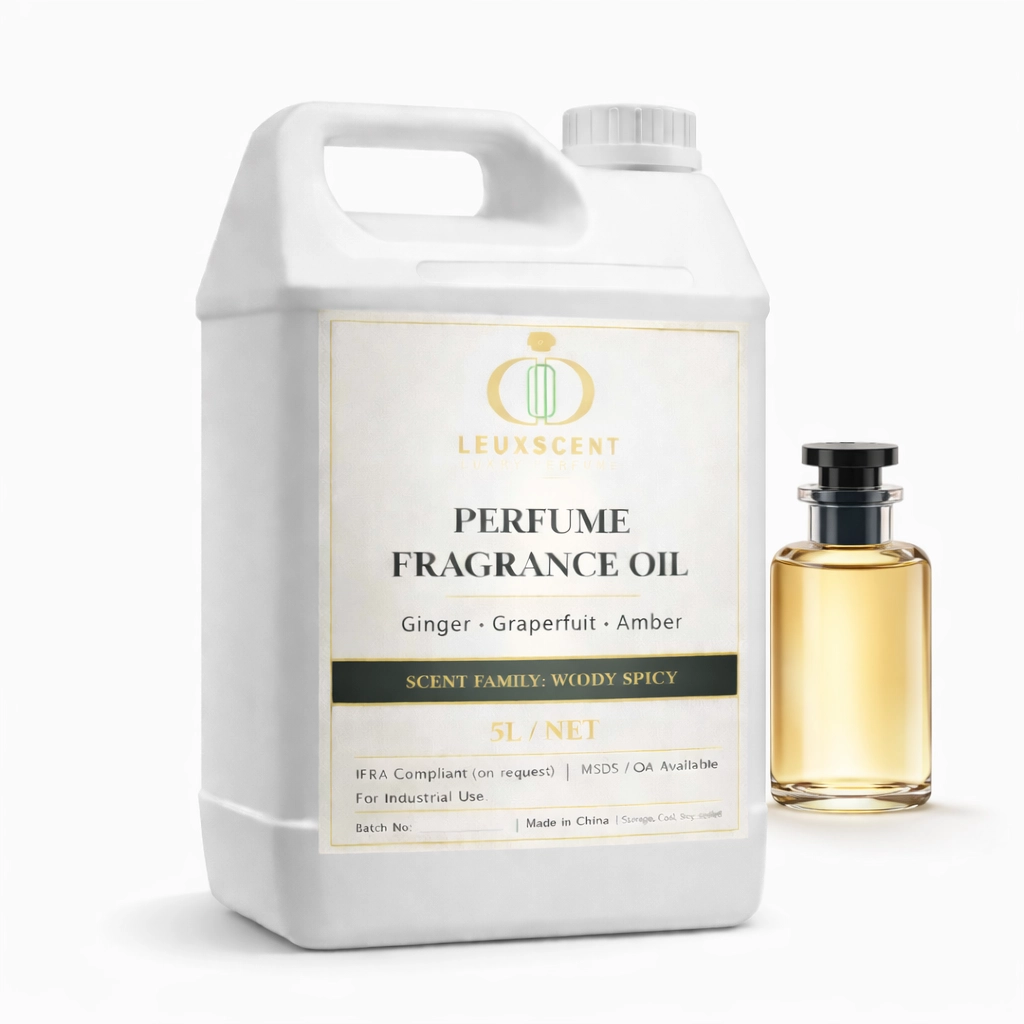
Perfume Fragrance Oil OEM Private Label Refill Program IFRA Compliant Manufacturer Supply Designer Perfume Oil
Perfume Fragrance Oil OEM Private Label Refill Program IFRA Compliant Manufacturer Supply Designer Perfume Oil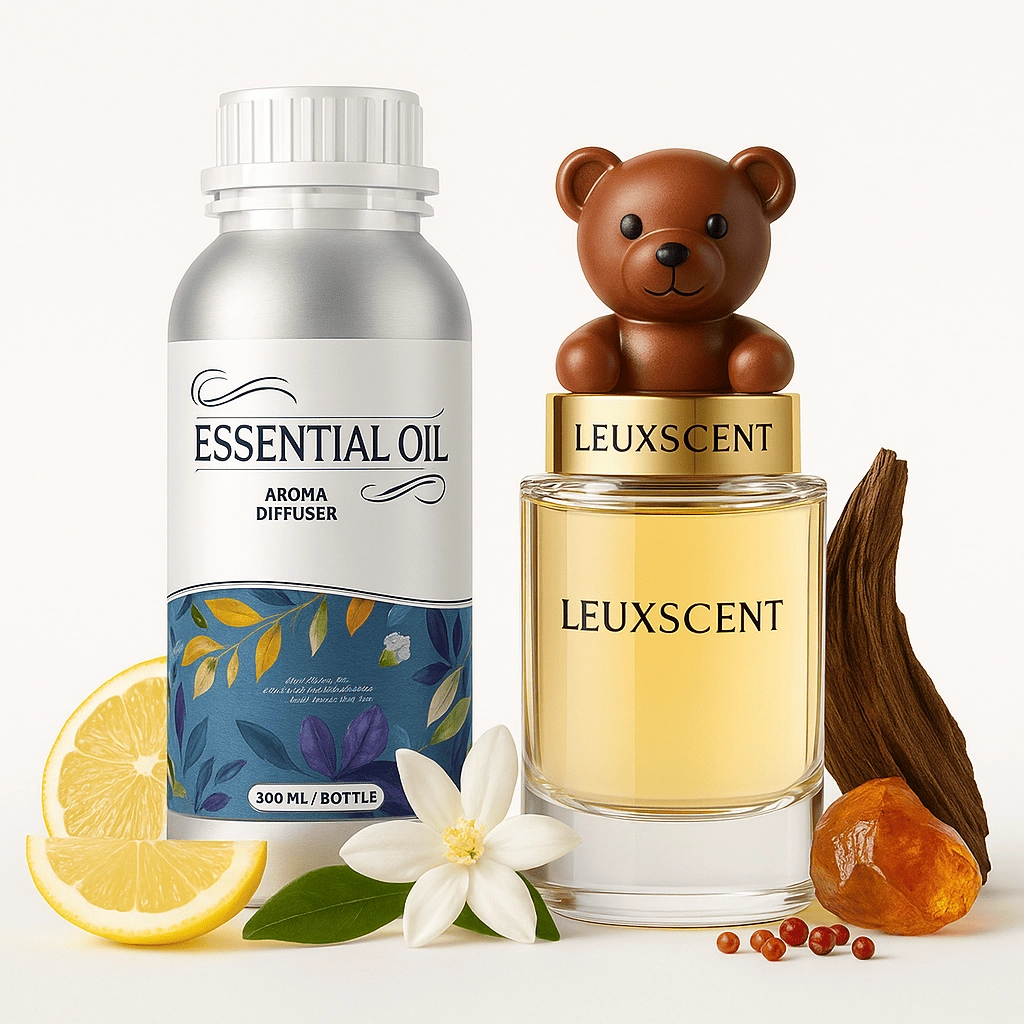
Perfume Fragrance Oil OEM Private Label Retail Ready Documentation Provided Manufacturer Supply Designer Perfume Oil
Perfume Fragrance Oil OEM Private Label Retail Ready Documentation Provided Manufacturer Supply Designer Perfume Oil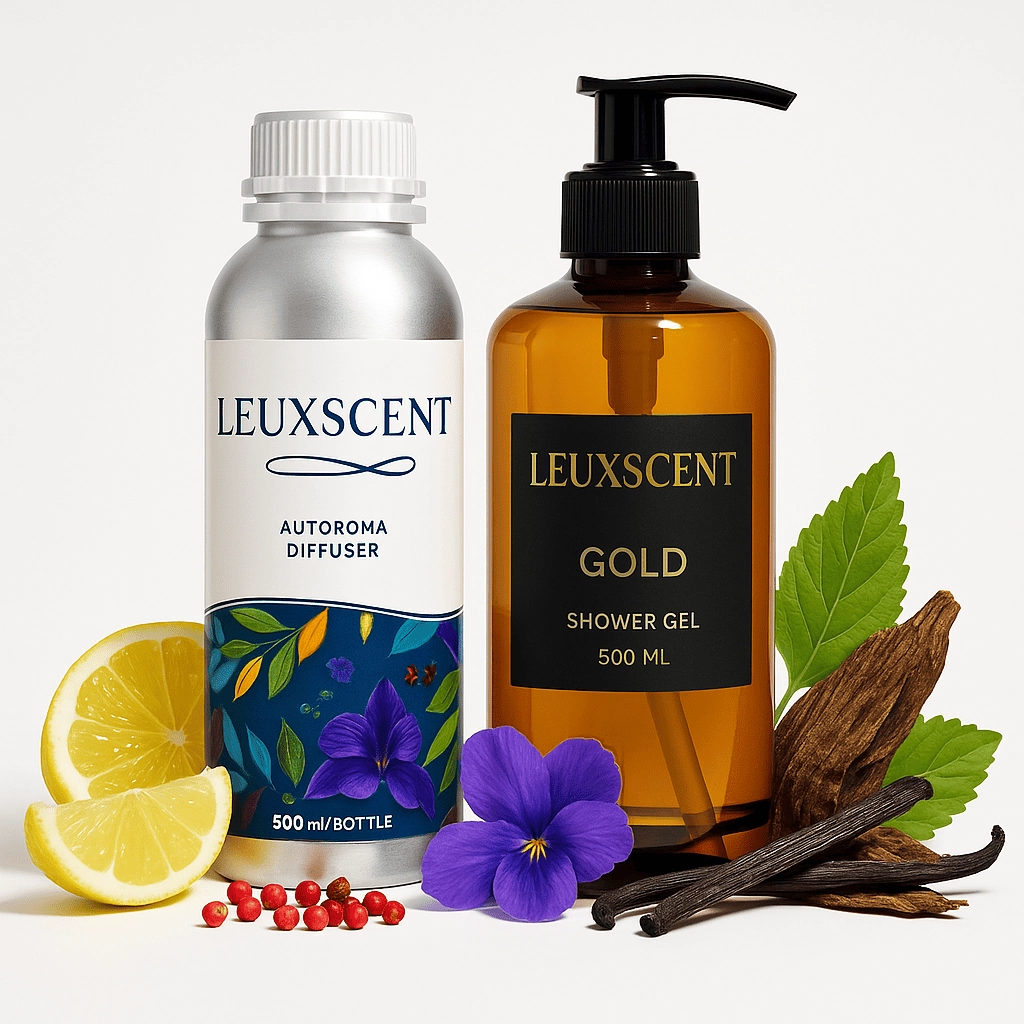
Wholesale Perfume Oil OEM Private Label Distributor Ready House Blend Retail Ready Designer Perfume Oil
Wholesale Perfume Oil OEM Private Label Distributor Ready House Blend Retail Ready Designer Perfume Oil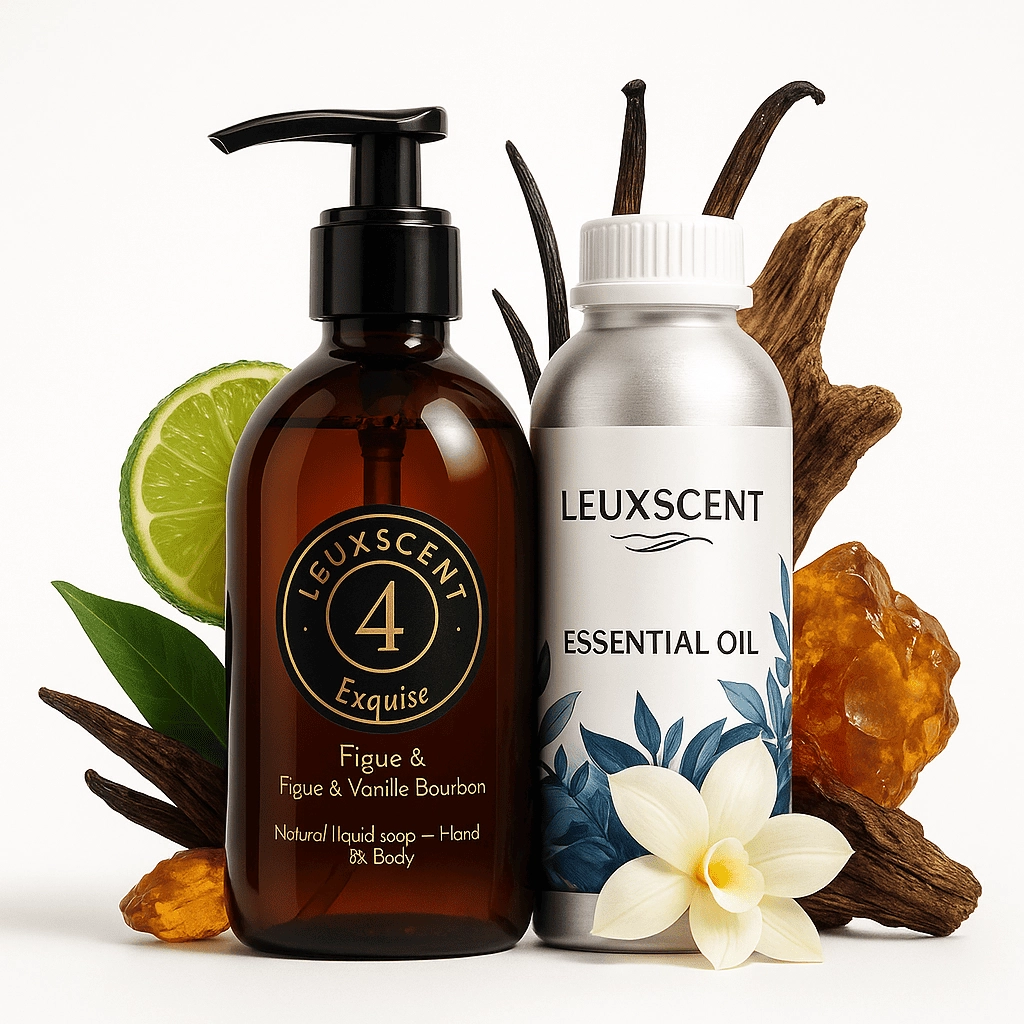
Wholesale Perfume Oil OEM Private Label Custom Filling Manufacturer Supply IFRA Compliant Designer Perfume Oil
Wholesale Perfume Oil OEM Private Label Custom Filling Manufacturer Supply IFRA Compliant Designer Perfume OilEmpowering Global Brands with Scent – LEUXSCENT, Your Expert Fragrance OEM Partner.
 Scan QR Code

Facebook
Instagram
LinkedIn
YouTube
Pinterest