
Essential Oil vs. Perfume: The Ultimate 2026 Science-Backed Guide
- Quick Summary: Key Takeaways for the Conscious Consumer
- Essential Oil vs. Perfume: What Is the Main Difference?
- The "Why" Behind the Chemistry
- The Chemistry of Scent: Natural Extracts vs. Synthetic Labs
- Key Composition Differences
- Safety Showdown: Health Risks and Therapeutic Benefits
- The Hidden Dangers of Synthetic Fragrance
- The Therapeutic Edge of Essential Oils
- Performance and Longevity: Sillage vs. Subtlety
- Understanding Volatility
- Cost Analysis & Sustainability: The 2026 Perspective
- The True Cost of "Luxury"
- Expert Tips: Transitioning to Natural Scents Without Losing Luxury
- How to Layer Like a Pro
- Conclusion
Choosing between a signature fragrance and a natural therapeutic blend is no longer just about smell—it is about health. With the rise of the clean beauty fragrance trends of 2026, consumers are increasingly asking what exactly goes onto their skin and into their bloodstream.
Quick Summary: Key Takeaways for the Conscious Consumer
Essential oils are 100% pure plant extracts offering therapeutic benefits, whereas commercial perfumes are primarily synthetic blends designed for long-lasting scent projection.
While perfumes offer consistency and powerful sillage (scent trail), they often contain undisclosed chemicals. Essential oils prioritize wellness but require frequent reapplication. Here is what you need to know:
- Source: Essential oils are natural; perfumes are largely petrochemical-based.
- Health: Commercial perfumes often contain phthalates, linked to hormonal disruption.
- Benefit: Essential oils offer aromatherapy benefits, impacting mood and stress.
- Trend: The 2026 market is shifting toward transparent labeling and "skin-scent" profiles.
Essential Oil vs. Perfume: What Is the Main Difference?
The primary difference lies in their origin: Essential oils are volatile aromatic compounds extracted directly from plants via steam distillation or cold pressing, while perfumes are laboratory-formulated mixtures of synthetic solvents, fixatives, and fragrance oils.
This fundamental distinction dictates how they interact with your body. Because essential oils are "alive" biologically, they contain complex chemical structures that the body recognizes. Perfumes are engineered for stability and aesthetic appeal, often sacrificing natural nuance for longevity.
The "Why" Behind the Chemistry
- Essential Oils: Composed of terpenes, esters, and alcohols naturally occurring in nature. A single drop of Rose oil can contain hundreds of unique chemical constituents that work synergistically.
- Perfumes: Often rely on synthetic molecules like Galaxolide (synthetic musk) and petrochemical derivatives to ensure the scent smells exactly the same in 2026 as it did in 1990.
The Chemistry of Scent: Natural Extracts vs. Synthetic Labs
Natural extracts preserve the plant's volatile life force and therapeutic properties, whereas synthetic lab creations isolate specific scent molecules to reduce cost and increase stability.
In the world of essential oil vs perfume, the ingredient list tells the real story. Under U.S. and many global regulations, the word "Fragrance" or "Parfum" on a label can legally hide up to 3,000 different chemicals as a "trade secret."
Key Composition Differences
- Complexity: Natural oils have "imperfections" that create depth. Synthetic scents are often linear and flat.
- Extraction:
- Steam Distillation: Used for lavender and eucalyptus to capture volatile oils.
- Solvent Extraction: Used for delicate flowers (like Jasmine) in perfumes, sometimes leaving trace chemical residues.
- Stability: Synthetics do not spoil quickly; essential oils can oxidize if exposed to sunlight or air.
Safety Showdown: Health Risks and Therapeutic Benefits
Commercial perfumes frequently utilize phthalates as fixatives, which scientific studies have identified as potential endocrine disruptors, whereas essential oils carry a risk of skin sensitization if not diluted.
This is the most critical factor for the health-conscious buyer in 2026. Phthalates in perfume health risks are a major driver for the switch to natural alternatives.
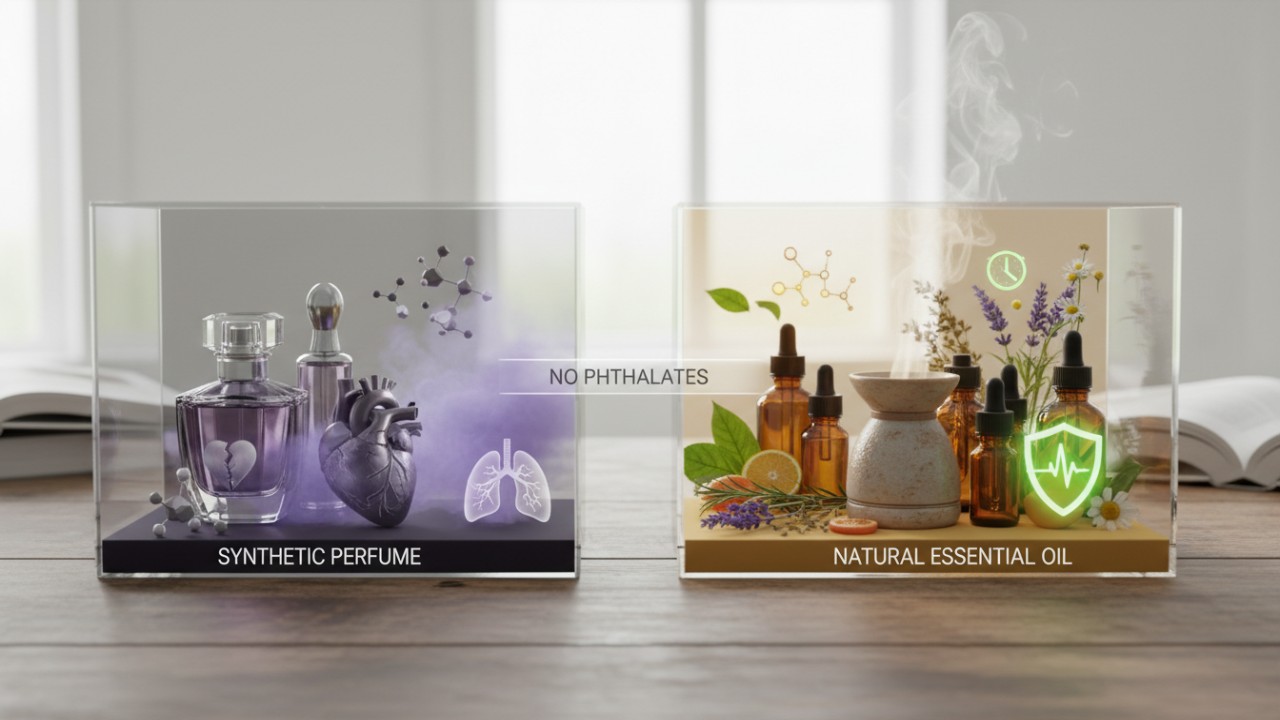
The Hidden Dangers of Synthetic Fragrance
According to the National Institutes of Health (NIH), phthalates are used to make scents last longer but are classified as endocrine-disrupting chemicals (EDCs) that can interfere with the body's hormonal systems.
- Hormone Disruption: Potential links to reproductive issues and developmental delays.
- Respiratory Issues: Synthetic fragrances are a top trigger for migraines and asthma.
- The Dirty List: Watch for Parabens, Styrene, and Diethyl Phthalate (DEP).
The Therapeutic Edge of Essential Oils
When you inhale an essential oil, the scent molecules travel through the olfactory nerve directly to the limbic system of the brain, which controls emotion and memory. This is the core of aromatherapy benefits vs synthetic fragrance.
- Lavender: Proven to reduce cortisol (stress hormone) levels.
- Peppermint: Enhances focus and energy.
- Frankincense: Supports cellular health and relaxation.
Performance and Longevity: Sillage vs. Subtlety
Perfumes are engineered to last 6–12 hours and project a strong scent trail (sillage), while essential oils are volatile and typically fade within 2–4 hours as they absorb into the skin.
If your goal is to have people smell you from across the room, synthetic perfume wins. If your goal is a personal scent bubble that enhances your mood, essential oils are superior.
Understanding Volatility
- Top Notes (Fast evaporation): Citrus oils (Lemon, Bergamot). Lasts 30 mins.
- Middle Notes (Heart): Florals (Geranium, Lavender). Lasts 1-2 hours.
- Base Notes (Fixatives): Woods (Sandalwood, Cedarwood). In perfumes, these are often synthetic; in natural perfumery, these are thick resins that last 4+ hours.
Pro Tip: To make natural perfume alternatives 2026 last longer, apply them to well-moisturized skin or use a carrier oil like Jojoba, which "anchors" the volatile scent molecules.
Cost Analysis & Sustainability: The 2026 Perspective
While high-end designer perfumes command a premium for branding and marketing, therapeutic-grade essential oils are priced based on the sheer volume of plant material required for extraction.
It takes roughly 242,000 rose petals to produce just 5mL of Rose essential oil. In contrast, a synthetic rose scent costs pennies to produce in a lab.
The True Cost of "Luxury"
- Perfume: High markup (up to 90%) covers celebrity endorsements and glass bottle design.
- Essential Oils: Cost reflects farming, harvesting, and distillation labor.
- Sustainability: 2026 trends favor biodegradable and refillable packaging. Petrochemical sourcing for perfumes has a significantly higher carbon footprint compared to sustainable, regenerative farming practices used for premium essential oils.
Expert Tips: Transitioning to Natural Scents Without Losing Luxury
Transitioning requires understanding that natural scents interact with your body chemistry to create a unique "signature scent" rather than masking it with a uniform synthetic odor.
At Guangzhou Leuxscent Biotechnology Co., Ltd., we have observed a massive shift in consumer preference toward "functional fragrance"—scents that smell good and do good. With over 17 invention patents and a state-of-the-art Guangzhou Municipal Enterprise Technology Center, our R&D team focuses on stabilizing natural molecules to bridge the gap between safety and longevity.
How to Layer Like a Pro
- Start with a Base: Apply a fragrance-free lotion or Jojoba oil.
- Apply to Pulse Points: Wrists, behind ears, and collarbone. Heat activates the oil.
- Don't Rub: Rubbing wrists together breaks down the delicate molecules, ruining the top notes.
- Hair Mist: Lightly applying oil to hair tips can extend scent life by hours.
Warning: Always dilute essential oils. Some, like Bergamot, are photosensitive and can cause burns if exposed to the sun immediately after application.
Conclusion
The choice in the essential oil vs perfume debate ultimately comes down to your priorities. If you value 12-hour wear and standardized scents, synthetic perfume is a tool for aesthetic expression. However, if you prioritize health, avoiding phthalates in perfume health risks, and seeking genuine aromatherapy benefits, essential oils are the superior choice.
As we move through 2026, the industry is clearly trending toward transparency. Independent R&D powerhouses like LEUXSCENT are leading this charge, proving that you don't need toxic chemicals to create luxurious, high-quality sensory experiences. By integrating global operations with strict safety compliance, we ensure that every drop brings you closer to nature, not a chemical lab.
Contact LEUXSCENT today to discuss your specific needs and discover how our patented natural formulations can elevate your brand.
How to Dilute Fragrance Oils for Candles and Soap: A Practical Guide for Makers
Unisex Perfume Oils: Best Neutral Scents
The hotel diffuser oil Cost Guide
Wholesale private label perfume oil manufacturer and supplier in 2026
ODM Service
Do you provide global delivery and post-delivery support?
Yes, we handle global logistics and offer ongoing support including replenishments and technical assistance.
Wholesale
Is shipment tracking available after dispatch?
Yes, we provide tracking numbers and real-time updates to monitor shipments.
Is expedited replenishment or emergency order support available?
Yes, Leuxscent offers expedited channels for replenishment or urgent production, responding within 24 hours.
Leuxscent Fragrance Duplication Service Process
Is there a risk of trademark infringement?
No. Our duplication process focuses on olfactory interpretation and uses original formulas. We do not copy brand names or IP.
OEM Service
Can I blend perfume myself using raw materials?
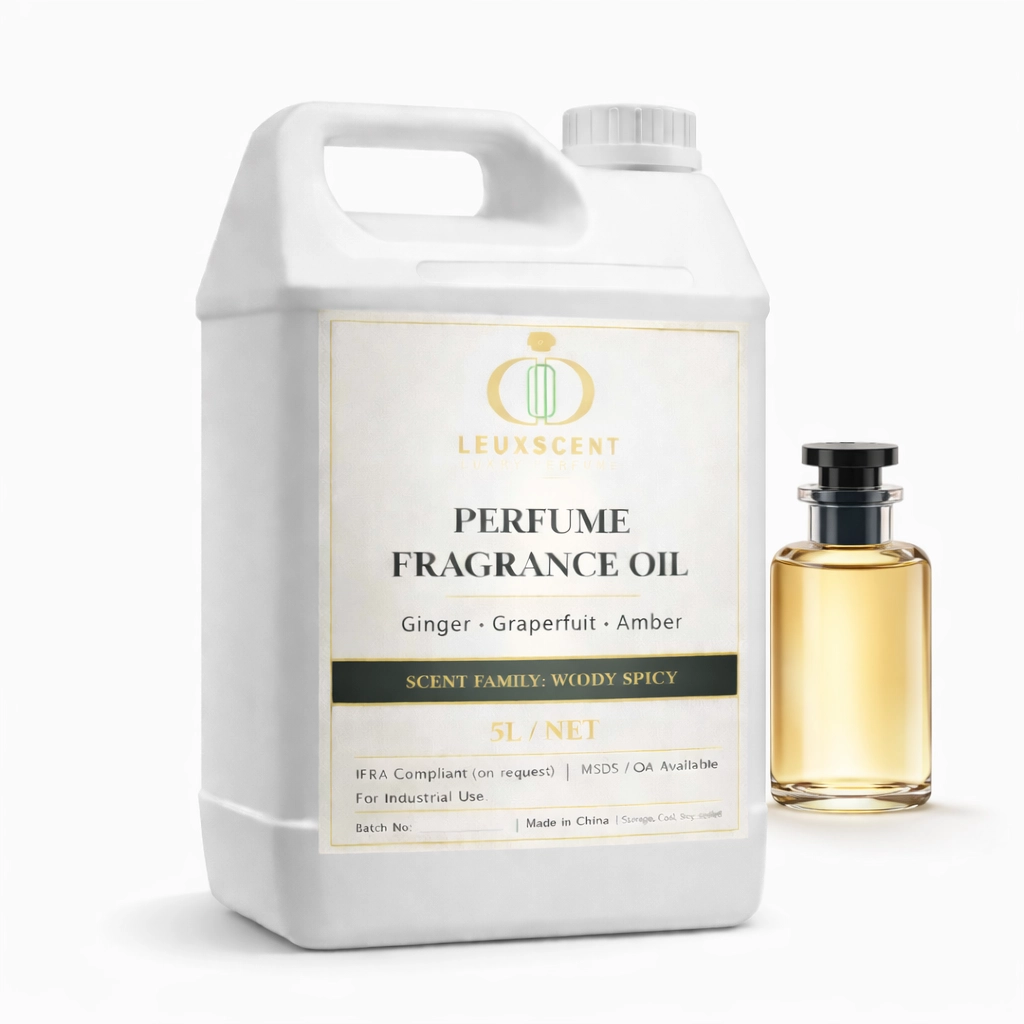
Perfume Fragrance Oil OEM Private Label Refill Program IFRA Compliant Manufacturer Supply Designer Perfume Oil
Perfume Fragrance Oil OEM Private Label Refill Program IFRA Compliant Manufacturer Supply Designer Perfume Oil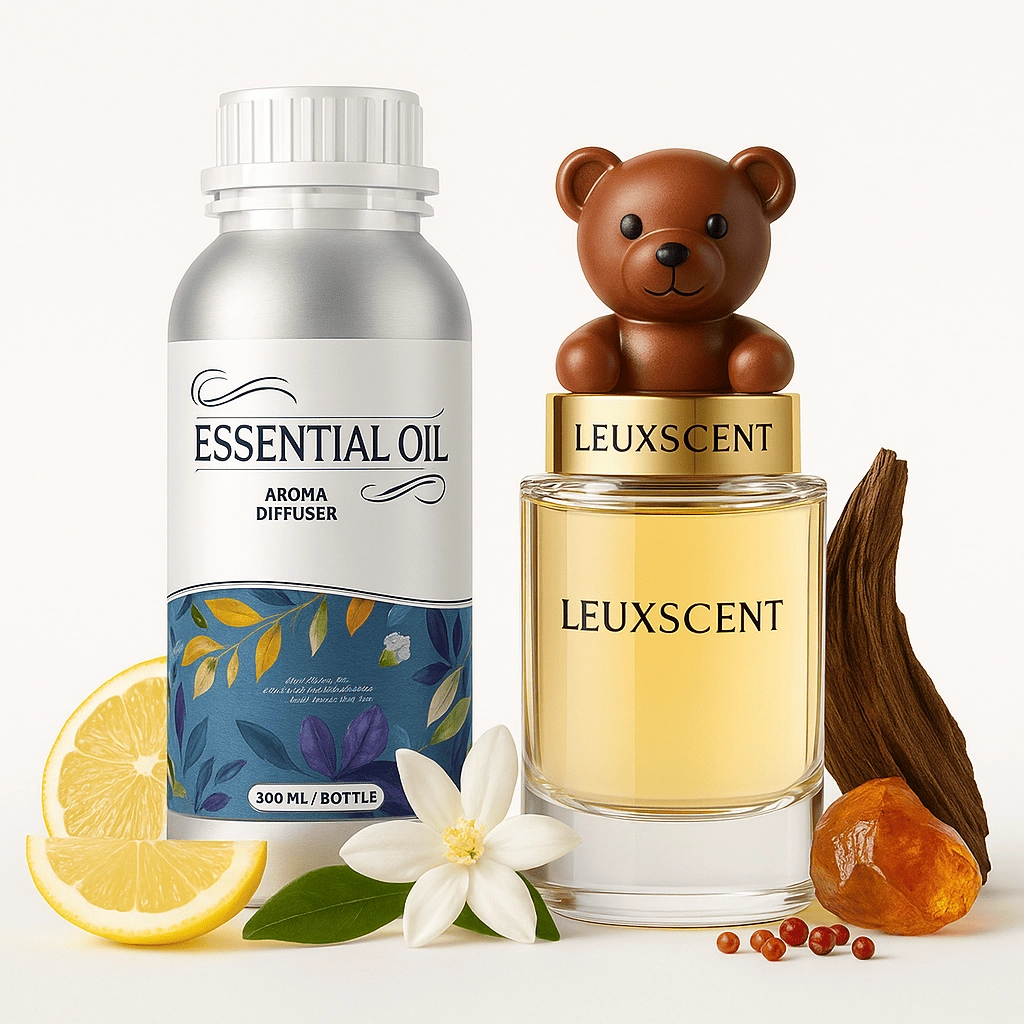
Perfume Fragrance Oil OEM Private Label Retail Ready Documentation Provided Manufacturer Supply Designer Perfume Oil
Perfume Fragrance Oil OEM Private Label Retail Ready Documentation Provided Manufacturer Supply Designer Perfume Oil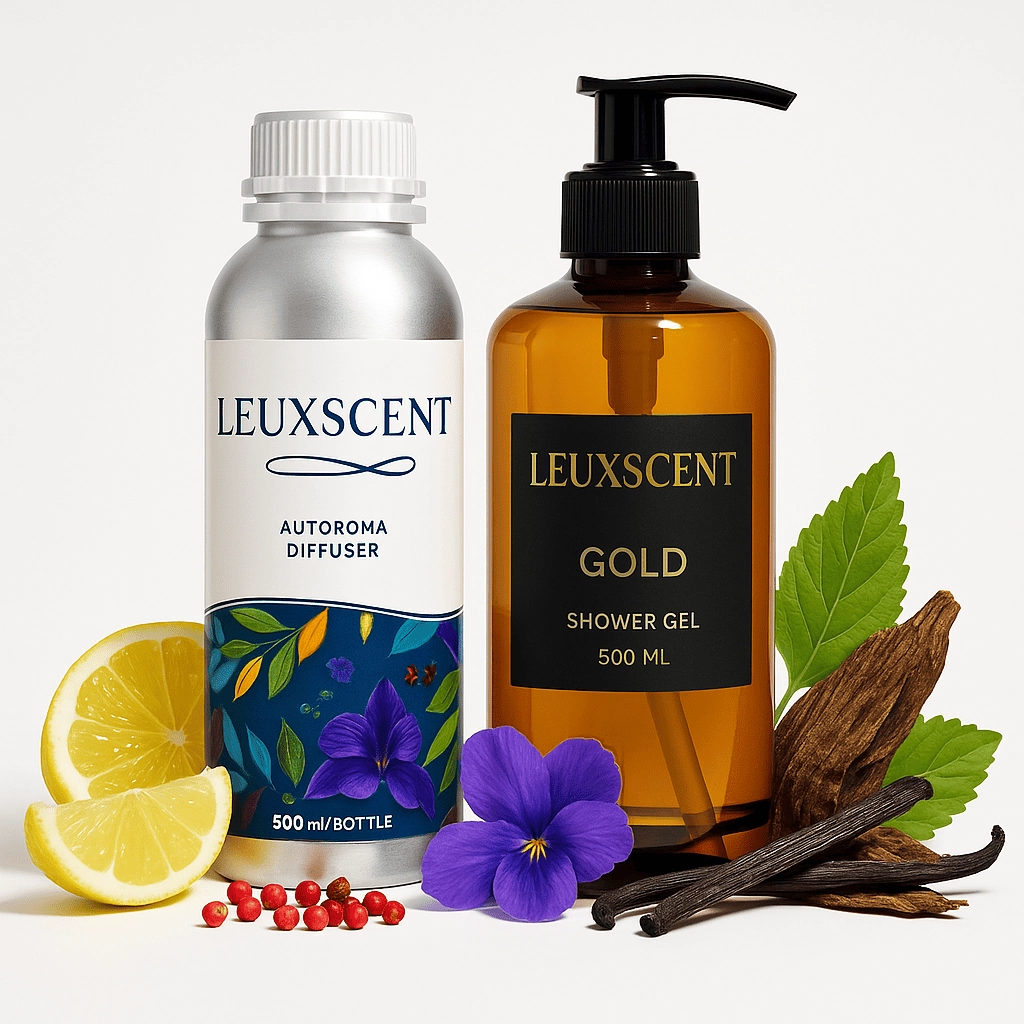
Wholesale Perfume Oil OEM Private Label Distributor Ready House Blend Retail Ready Designer Perfume Oil
Wholesale Perfume Oil OEM Private Label Distributor Ready House Blend Retail Ready Designer Perfume Oil
Wholesale Perfume Oil OEM Private Label Custom Filling Manufacturer Supply IFRA Compliant Designer Perfume Oil
Wholesale Perfume Oil OEM Private Label Custom Filling Manufacturer Supply IFRA Compliant Designer Perfume OilEmpowering Global Brands with Scent – LEUXSCENT, Your Expert Fragrance OEM Partner.
 Scan QR Code

Facebook
Instagram
LinkedIn
YouTube
Pinterest