
The Ultimate 2026 Guide to Private Label Fragrance: From Scent Profile to Seven-Figure Sales
- Key Takeaways: The Future of Fragrance Business
- What is Private Label Fragrance?
- Why it works for 2026 Startups:
- Why 2026 is the Golden Era for Scent Brands
- Top Trends Driving Growth:
- Private Label vs. White Label vs. Custom: Which Fits You?
- Comparison Matrix:
- Step-by-Step: Developing Your Signature Scent Profile
- The Formulation Roadmap:
- The Legal Landscape: MoCRA, IFRA, and 2026 Compliance
- Compliance Checklist:
- Scaling to Seven Figures: Marketing & Packaging Strategy
- Growth Tactics:
- Expert Tips: Common Mistakes in Private Labeling
- Avoid These Pitfalls:
- Conclusion & Call to Action
Key Takeaways: The Future of Fragrance Business
Private label fragrance is the strategic manufacturing model where a third-party factory creates a scent sold under your unique brand name. In 2026, success relies on speed-to-market, strict clean beauty fragrance regulations 2026, and leveraging data to predict viral notes before they trend.

To dominate the market this year, brands must pivot from generic white-label goods to sophisticated, data-backed creations. The barrier to entry has lowered, but the barrier to scale has risen due to complex compliance landscapes. Here is what successful founders are prioritizing:
- Speed over Perfection: Private label offers a faster launch timeline (8-12 weeks) compared to custom formulation (6-12 months).
- Functional Focus: The 2026 consumer demands functional scent marketing strategy—fragrances that enhance mood, focus, or sleep.
- Regulatory Armor: Compliance with MoCRA is no longer optional; it is a foundational brand pillar.
- Hybrid Scaling: Reaching seven figures requires a mix of digital storytelling (TikTok/Instagram) and a sample-first distribution model.
What is Private Label Fragrance?
Private label fragrance is a manufacturing process where a brand selects a pre-developed scent formulation from a manufacturer's library and customizes the branding, bottle, and packaging. Unlike white label (which sells the exact same product to multiple retailers), private label allows for significant modification of the scent profile and aesthetic presentation.
This model is the most efficient bridge between generic products and fully bespoke custom manufacturing. It allows fashion brands, influencers, and retailers to expand their portfolios without the capital expenditure of building their own laboratory. By utilizing existing, stability-tested bases, you mitigate the risk of product failure while maintaining high margins.
Why it works for 2026 Startups:
- Lower Risk: Formulations are pre-validated for safety and longevity.
- Scalability: Manufacturers like Guangzhou Leuxscent Biotechnology Co., Ltd. can scale production from hundreds to millions of units.
- Focus on Brand: You spend time on marketing, not chemistry.
Why 2026 is the Golden Era for Scent Brands
The "Quality Gap" has closed, meaning private label quality now frequently rivals or exceeds legacy luxury houses due to advancements in extraction technology. In 2026, the market is shifting towards "Scent Wardrobing," where consumers buy multiple niche scents for different occasions rather than one signature perfume.
We are witnessing a massive shift driven by consumer desire for hyper-personalization and wellness. The modern consumer is educated; they check for "clean" ingredients and expect their perfume to do more than just smell good. This has given rise to functional fragrance—scents designed to trigger neurological responses for calm, energy, or focus.
Top Trends Driving Growth:
- Functional Fragrance: Scents designed for mood enhancement (calm, focus, energy) rather than just aesthetic appeal.
- AI Integration: Using AI-driven fragrance formulation to analyze market data and predict the next viral note combinations.
- Data-Driven Insights: LEUXSCENT utilizes global trend data to offer clients scent bases that are statistically more likely to succeed in specific regions.
Private Label vs. White Label vs. Custom: Which Fits You?
Private label sits in the "Goldilocks" zone of manufacturing: it offers high customization (scent tweaks, packaging) with moderate Minimum Order Quantities (MOQs), making it the best path for building a defendable brand asset. White label is for testing, while custom formulation is for established enterprises with deep pockets.
Choosing the right model depends entirely on your budget, timeline, and long-term vision. Many successful brands start with private label to generate cash flow and later move to custom formulation once they have a loyal customer base.
Comparison Matrix:
- White Label: Fast entry, low MOQ (50-100 units), zero customization. Best for: Proof of concept.
- Private Label: High customization, moderate MOQ (500-1,000 units). Best for: Building a serious brand.
- Custom Formulation: Full R&D, high investment ($20k+), long lead times. Best for: Large enterprise brands.
Step-by-Step: Developing Your Signature Scent Profile
Developing a signature scent begins with understanding the Olfactory Pyramid—balancing Top (first impression), Heart (core character), and Base (lingering trail) notes. In 2026, this process is enhanced by AI-driven fragrance formulation, which helps identify underserved scent combinations that have high viral potential.
At Guangzhou Leuxscent Biotechnology Co., Ltd., we leverage our 17 invention patents and the Guangzhou Municipal Enterprise Technology Center to refine these profiles. We don't just guess; we engineer scents for performance and stability.
The Formulation Roadmap:
- Select the Concentration: Choose between Eau de Parfum (EDP) for longevity and perceived value, or Eau de Toilette (EDT) for a lighter price point.
- leverage AI: Use algorithms to identify gaps in the market (e.g., "spicy aquatic" or "gourmand floral").
- Sample Strategy: Test the "dry down" on different skin types to ensure consistency.
- Partner with Experts: Access libraries of pre-validated, trending scent bases to speed up the process.
The Legal Landscape: MoCRA, IFRA, and 2026 Compliance
Clean beauty fragrance regulations 2026 are defined by strict adherence to the Modernization of Cosmetic Regulations Act (MoCRA) and updated IFRA standards. Compliance involves facility registration, rigorous safety substantiation, and transparent allergen labeling to ensure your product can be legally sold in major markets.
Navigating this landscape is critical. According to the FDA (Food and Drug Administration), brands must now maintain records of adverse events and ensure their manufacturing partners are registered. Furthermore, the International Fragrance Association (IFRA) continues to update safety standards that dictate maximum usage levels for specific ingredients.
Compliance Checklist:
- MoCRA Registration: Ensure your manufacturer (like LEUXSCENT) is FDA-registered.
- EU Allergen Labeling: List all required allergens on packaging for global export.
- Safety Data Sheets (SDS): strict requirement for every SKU.
- Transparency: Use "Clean" labeling to build trust, but ensure it is backed by a Certificate of Analysis (CoA).
Scaling to Seven Figures: Marketing & Packaging Strategy
Scaling a fragrance brand requires treating luxury private label packaging as a "silent salesman," investing in heavy glass, magnetic caps, and unboxing experiences that justify a premium price tag. The most successful strategy for 2026 is the "Discovery Set" model, which lowers the barrier to entry for new customers.
Fragrance is invisible, so your packaging and digital storytelling must do the heavy lifting. A customer cannot smell a scent through a phone screen, so they buy the story and the aesthetic first.
Growth Tactics:
- Packaging: Invest in high-weight glass and magnetic caps to signal "Masstige" or "Luxury."
- Discovery Sets: Sell low-cost sample packs (e.g., 3x 2ml vials) to acquire customers, then use email marketing to upsell the full bottle.
- Influencer Seeding: Send products to TikTok/Instagram creators who specialize in describing scents vividly.
- Pricing Psychology: Position your product to allow for high margins (60-80%) to fund paid acquisition.
Expert Tips: Common Mistakes in Private Labeling
The most common mistake in turnkey perfume manufacturing is ignoring stability testing, which can cause the scent to change color or smell rancid after a few months on the shelf. Another major pitfall is over-complicating the initial launch with too many SKUs, diluting marketing efforts and capital.
Avoid These Pitfalls:
- Skipping Stability Tests: Never rush this. It ensures your product survives shipping and storage.
- SKU Bloat: Start with 3 core scents, not 10. Focus your marketing budget.
- Component Delays: Custom caps or pumps often have longer lead times than the juice itself.
- Inventory Management: Always secure a "safety stock" of raw materials for your best-selling SKU to prevent stockouts during viral moments.
Conclusion & Call to Action
Launching a private label fragrance line in 2026 is about blending art with data-driven strategy. From selecting the right notes using AI-driven fragrance formulation to navigating complex clean beauty fragrance regulations, having the right manufacturing partner determines your speed to market and brand longevity. Do not let technical hurdles stall your vision for a signature scent.
Contact Guangzhou Leuxscent Biotechnology Co., Ltd. today to discuss your specific needs and leverage our 20+ years of R&D expertise for your seven-figure fragrance brand.
Perfume Fragrance Oil vs Essential Oil: Key Differences
Wholesale perfume fragrance oil manufacturer and supplier
Wholesale candle perfume oil manufacturer and supplier in 2026
Diffuser Oil Basics: How They Work and Why Use Them
White Label Production
Do you support exclusive distribution?
Generally not for White Label, as products are standard and designed for scalability. Exclusive agreements are more aligned with Private Label partnerships.
Can I request samples?
Yes, standard samples can be provided for evaluation.
Wholesale
How is packaging and compliance ensured?
Professional packaging: Leak-proof, shock-resistant, moisture-resistant materials to protect products during transport.
Compliance documents: Complete shipping and customs paperwork, including MSDS, IFRA, COA, to facilitate customs clearance.
OEM
What is the lead time? Can you rush it?
OEM Service
Can I develop multiple fragrance directions at the same time?
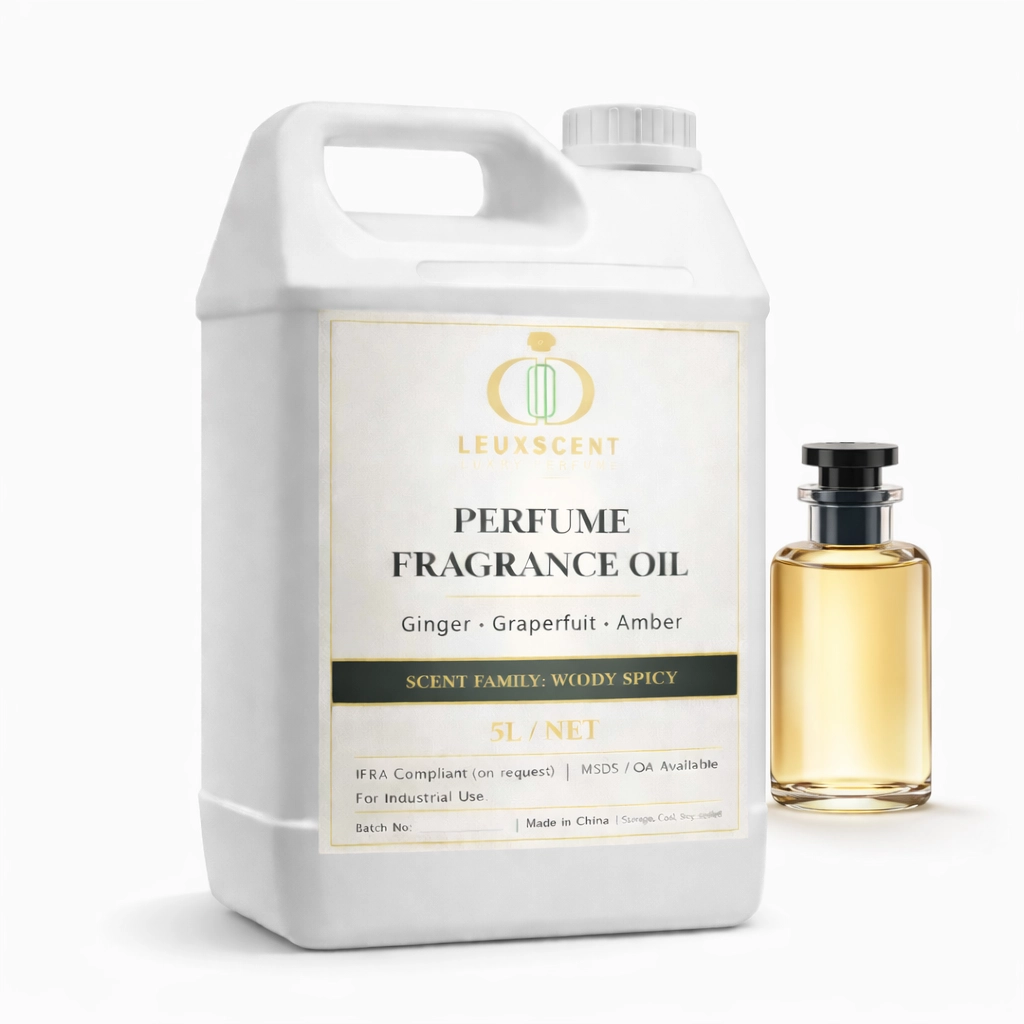
Perfume Fragrance Oil OEM Private Label Refill Program IFRA Compliant Manufacturer Supply Designer Perfume Oil
Perfume Fragrance Oil OEM Private Label Refill Program IFRA Compliant Manufacturer Supply Designer Perfume Oil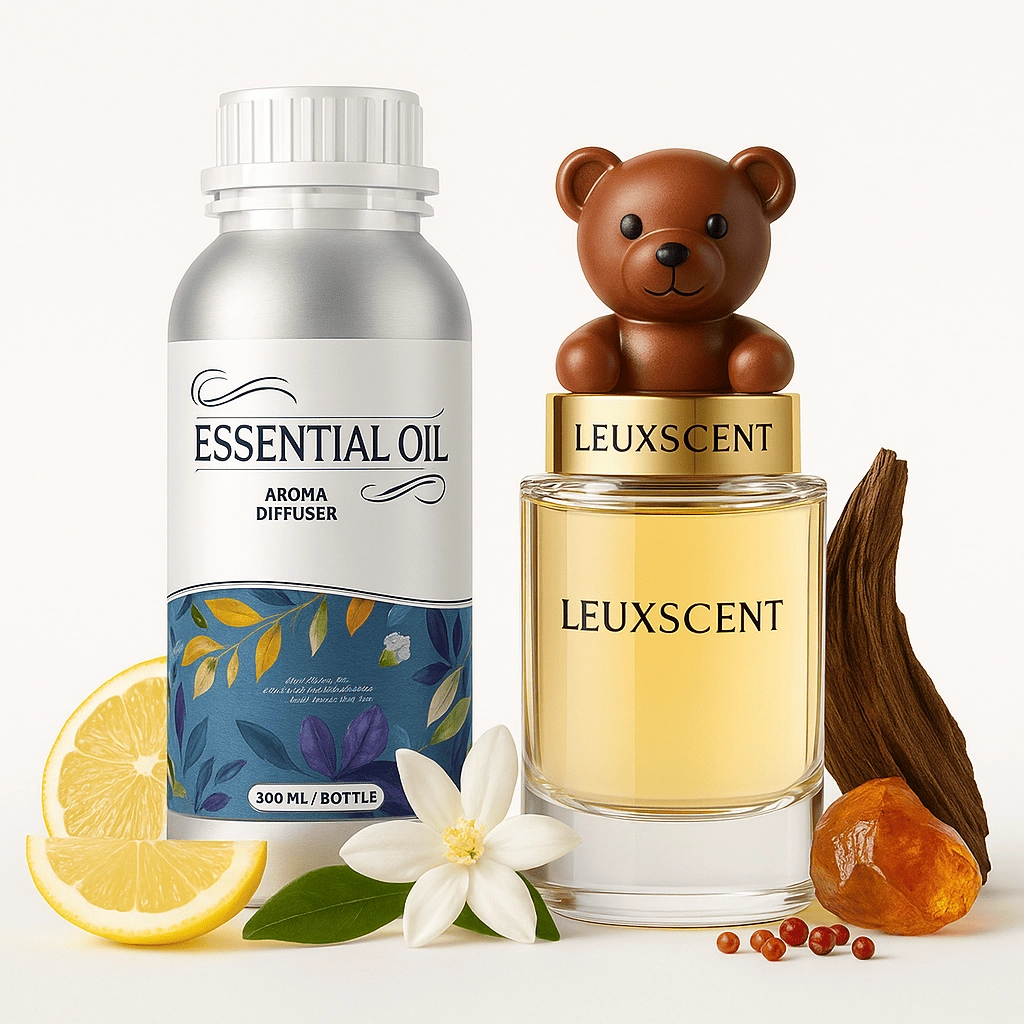
Perfume Fragrance Oil OEM Private Label Retail Ready Documentation Provided Manufacturer Supply Designer Perfume Oil
Perfume Fragrance Oil OEM Private Label Retail Ready Documentation Provided Manufacturer Supply Designer Perfume Oil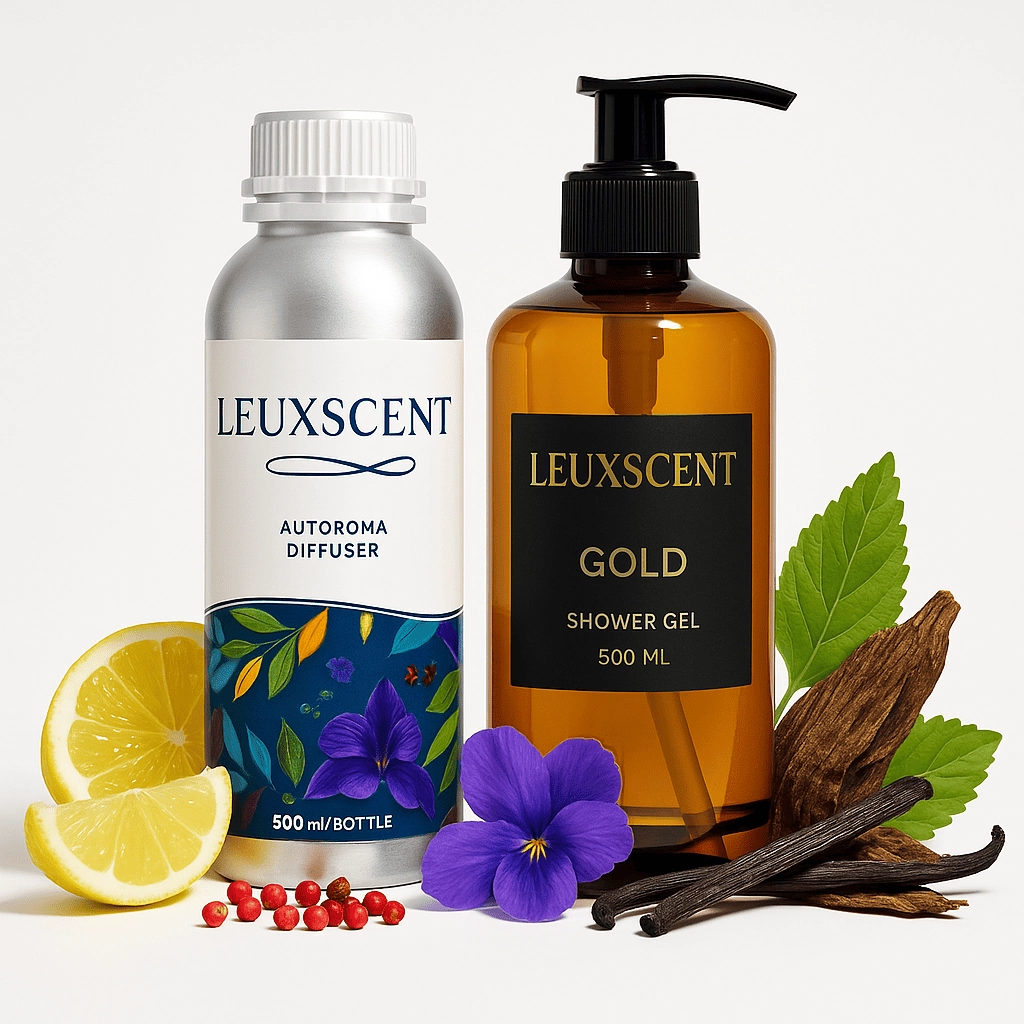
Wholesale Perfume Oil OEM Private Label Distributor Ready House Blend Retail Ready Designer Perfume Oil
Wholesale Perfume Oil OEM Private Label Distributor Ready House Blend Retail Ready Designer Perfume Oil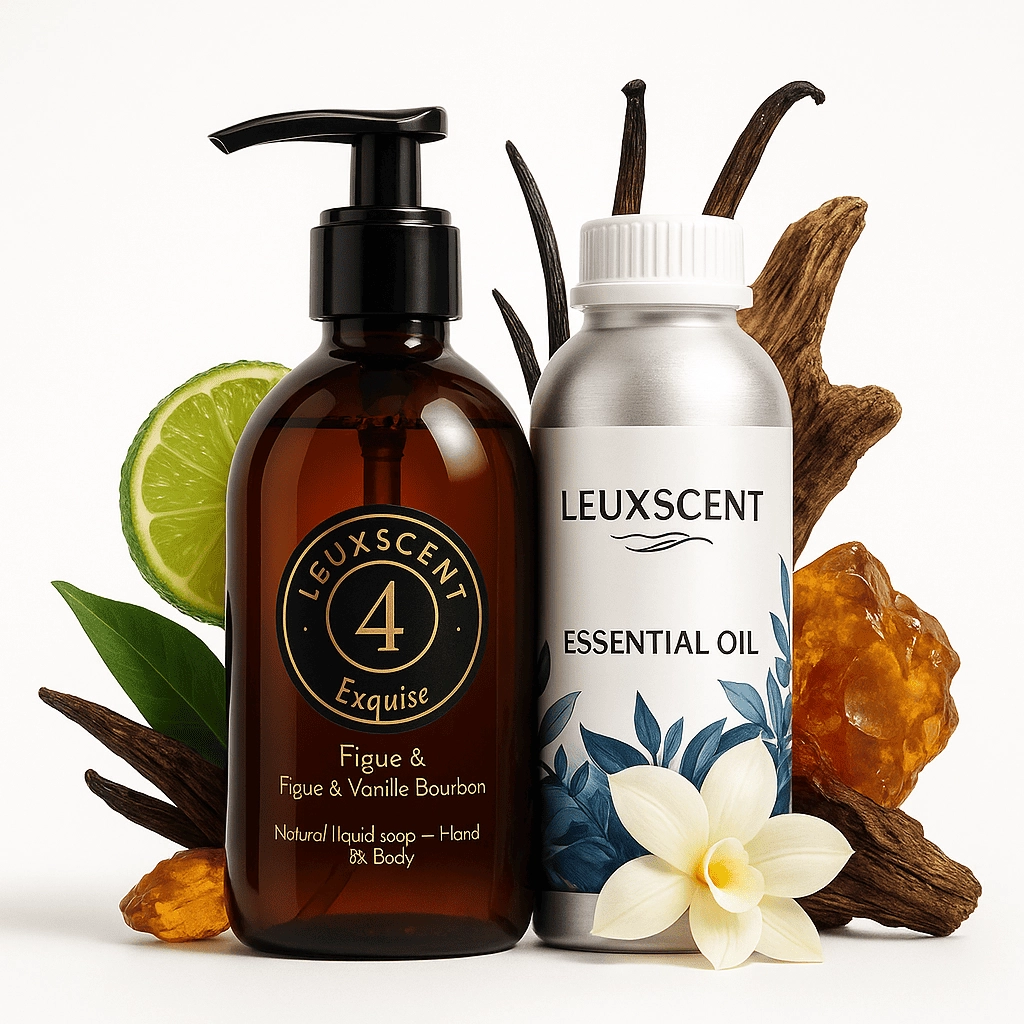
Wholesale Perfume Oil OEM Private Label Custom Filling Manufacturer Supply IFRA Compliant Designer Perfume Oil
Wholesale Perfume Oil OEM Private Label Custom Filling Manufacturer Supply IFRA Compliant Designer Perfume OilEmpowering Global Brands with Scent – LEUXSCENT, Your Expert Fragrance OEM Partner.
 Scan QR Code

Facebook
Instagram
LinkedIn
YouTube
Pinterest