
How to choose fragrance oils for sensitive skin
- How to Choose Fragrance Oils for Sensitive Skin
- Why choosing the right perfume fragrance oil matters for sensitive skin
- Understand the types of scent ingredients: perfume fragrance oil vs essential oil
- Know common fragrance allergens and what to avoid
- How labeling and standards reduce risk: IFRA and safety declarations
- Choose the right product format for sensitive skin
- How to read ingredient lists and identify safe perfume fragrance oil choices
- Patch testing: the single most practical step you can take
- Formulation strategies that reduce irritation risk
- Comparison: fragrance types and suitability for sensitive skin
- Practical shopping checklist when buying perfume fragrance oil for sensitive skin
- How LEUXSCENT supports brands and consumers seeking skin-friendly fragrance solutions
- Product strengths and core offerings
- How to work with a manufacturer to get a sensitive-skin fragrance product
- FAQ — Common questions about perfume fragrance oil and sensitive skin
- Contact us / View our products
- Sources and references

How to Choose Fragrance Oils for Sensitive Skin
Why choosing the right perfume fragrance oil matters for sensitive skin
Sensitive skin reacts more easily to external agents such as fragrances, preservatives, or solvents. For many people, a perfume fragrance oil that feels pleasant can cause redness, itching, or dermatitis. Choosing a safe fragrance is therefore not just about scent preference — it’s about minimizing irritation risk while still enjoying aromatic products. This guide explains how to evaluate fragrance products, what to look for on labels, how to test before use, and what formulation approaches reduce reaction potential.
Understand the types of scent ingredients: perfume fragrance oil vs essential oil
Not all aromatic ingredients are the same. 'Perfume fragrance oil' typically refers to a formulated blend of aroma chemicals and natural extracts designed for consistent scent performance. Essential oils are concentrated extracts from plants and are often marketed as 'natural', but natural does not equal hypoallergenic. Both can include sensitizing compounds.
Key differences to keep in mind:
- Perfume fragrance oil: formulated for stability and consistency; may contain synthetic aroma molecules and isolates that are less variable than pure botanicals.
- Essential oil: natural complexity; may contain many potential allergens (e.g., limonene, linalool, citral) that oxidize and become more irritating over time.
- Solvent/carrier: many fragrance oils are diluted in carriers (e.g., dipropylene glycol, fractionated coconut oil). Carrier choice affects skin absorption and tolerability.
Know common fragrance allergens and what to avoid
Whether you select a perfume fragrance oil or an essential oil blend, some components are frequent culprits for contact allergy. Typical sensitizers include limonene, linalool, geraniol, citronellol, eugenol, and isoeugenol. Oxidation products of terpenes (e.g., oxidized limonene) are often more allergenic than the fresh compound.
For sensitive skin, consider products labeled as 'low-allergen', 'fragrance-free', or 'hypoallergenic' and verify ingredient lists for the substances above. However, 'fragrance-free' can mean the product contains no added scent or that it contains masking agents; read labels carefully.
How labeling and standards reduce risk: IFRA and safety declarations
International standards set by organizations like the International Fragrance Association (IFRA) restrict the use levels of known sensitizers in finished products. A manufacturer who follows IFRA guidance and provides safety documentation (including IFRA certificates and Material Safety Data Sheets) is preferable when shopping for perfume fragrance oil for sensitive skin.
Choose the right product format for sensitive skin
Where and how you apply a scent matters. Leave-on products (perfumes, body oils, creams) keep aromatic compounds in prolonged contact with the skin and therefore pose higher risk than rinse-off products (shampoos, shower gels) where contact time is short.
Recommendations:
- Prefer rinse-off fragranced products or very low fragrance concentrations for daily use.
- For perfumes, select lower-concentration formats (e.g., body mist or eau de toilette rather than parfum/extrait) if you have sensitive skin.
- Consider solid perfumes or fragrance oils diluted in gentle carriers that can be applied sparingly and washed off if irritation occurs.
How to read ingredient lists and identify safe perfume fragrance oil choices
Ingredient transparency is crucial. Manufacturers should list all components in finished products and disclose potential allergens when required by regional regulations. Tips for label reading:
- Look for 'fragrance' or 'parfum' — this generic term can hide many compounds; opt for brands that provide full fragrance declarations or IFRA lists on request.
- Check for common sensitizers like those listed earlier. If present and you’re sensitive to any, avoid the product.
- For stronger assurance, look for wording such as 'IFRA-compliant', 'dermatologically tested for sensitive skin', or 'low-allergen formula'.
Patch testing: the single most practical step you can take
Before applying any new perfume fragrance oil to wide areas, perform a patch test. Apply a small amount to a discreet skin area (inside of forearm) and cover with a breathable bandage. Check at 24, 48, and 72 hours for signs of irritation. If redness, itching, swelling, or blisters appear, discontinue immediately.
Formulation strategies that reduce irritation risk
Manufacturers can design fragrance systems for sensitive skin by:
- Using low-allergen raw materials and avoiding known sensitizers where possible.
- Employing stabilized antioxidants to prevent oxidation of terpenes (oxidation increases allergenicity).
- Reducing fragrance load in leave-on products and offering rinse-off options.
- Choosing gentle carriers (e.g., fractionated vegetable oils, non-comedogenic esters) and skin-calming actives (e.g., niacinamide at low levels, panthenol) to soothe irritation if it occurs.
Comparison: fragrance types and suitability for sensitive skin
The table below summarizes typical risks and recommended uses for different fragrance formats. These are general guidelines — individual responses vary.
| Fragrance Type | Typical Allergen Risk | Recommended Use for Sensitive Skin | Notes |
|---|---|---|---|
| Perfume fragrance oil (synthetic blends) | Moderate; depends on ingredients and concentration | Choose IFRA-compliant, low-concentration formulations; patch-test | Consistent scent and lower batch variability; may exclude some natural allergens |
| Essential oils (pure botanical) | High; many natural allergens and oxidation-prone terpenes | Use diluted, rinse-off only; avoid directly on facial skin | ‘Natural’ does not mean non-irritating; oxidation increases risk |
| Natural-isolate fragrances | Low-to-moderate; isolates remove some allergens | Better choice for sensitive skin when formulators confirm removal of known allergens | Can be marketed as 'low allergen' if supported by lab analysis |
| Rinse-off fragranced products | Lower (short contact time) | Safer daily option; still patch-test if known sensitivities exist | Shampoos and body washes are typically less problematic than leave-on products |
Sources: IFRA guidance, dermatological literature (see reference list).
Practical shopping checklist when buying perfume fragrance oil for sensitive skin
Use this short checklist when selecting a product:
- Is the product IFRA-compliant or does the manufacturer provide safety documentation?
- Are potential allergens listed or disclosed on request?
- What is the product format — leave-on or rinse-off — and what is the fragrance concentration?
- Does the brand offer dermatologist testing or sensitive-skin lines?
- Can you obtain a sample or small size for patch testing before committing?
How LEUXSCENT supports brands and consumers seeking skin-friendly fragrance solutions
LEUXSCENT is a global fragrance and flavor manufacturer founded in 2003. As one of China's top ten enterprises in the fragrance industry, LEUXSCENT integrates independent R&D, production, and global operations. With two production bases in Guangzhou and Qingyuan (Guangdong Province), the company serves as a hub for innovation and quality manufacturing.
Why LEUXSCENT is a strong partner for sensitive-skin fragrance projects:
- Robust R&D: 17 invention patents and involvement in over 10 national, provincial, and municipal innovation projects. Research infrastructure includes the Guangzhou Municipal Enterprise Technology Center and the Guangdong Engineering Technology Research Center, plus an upcoming postdoctoral workshop.
- Compliance and safety: LEUXSCENT develops IFRA-aware formulations and can provide the documentation brands need to verify ingredient safety and regulatory compliance.
- OEM/ODM expertise: end-to-end services from concept to commercial production for perfumes, fragrance oils, essential oils, aroma blends, and flavor fragrances. They can customize low-allergen, low-concentration, and stabilized fragrance systems designed for sensitive skin.
- Cross-category knowledge: experience across food flavoring, daily chemicals, and tobacco flavor means the team understands matrix effects — how a fragrance behaves differently in a cream vs. a body wash — which is critical for minimizing irritation.
Product strengths and core offerings
LEUXSCENT's main product categories that are relevant for sensitive skin projects include:
- Fragrance blends (tailored perfume fragrance oil formulations)
- Perfume oils and concentrated parfum bases
- Essential oils and well-characterized natural isolates
- Fragrance oils for candles, personal care, and household products
- Aroma and flavor fragrances for multi-sensory product development
How to work with a manufacturer to get a sensitive-skin fragrance product
When collaborating with a fragrance house like LEUXSCENT, ask for:
- Ingredient disclosure and IFRA certificates for the proposed perfume fragrance oil.
- Dermatological test plans or existing test data (e.g., Human Repeat Insult Patch Test, HRIPT, or 48/72-hour patch tests).
- Stability and oxidation-control approaches used in the formulation (antioxidants, packaging choices).
- Sample runs for consumer or clinical testing with your target demographic.
FAQ — Common questions about perfume fragrance oil and sensitive skin
Q: Are 'natural' essential oils safer for sensitive skin than synthetic perfume fragrance oil?
A: Not necessarily. Essential oils contain complex mixtures of terpenes that can oxidize and become sensitizing. Carefully formulated perfume fragrance oil blends can sometimes be safer because manufacturers can exclude high-risk components and control concentrations.
Q: What is the safest way to use a perfume if I have sensitive skin?
A: Use low-concentration formats, avoid direct application to irritated or broken skin, patch-test first, and prefer rinse-off fragranced products for daily cleansing.
Q: Can stabilized formulations reduce allergic reactions?
A: Yes. Stabilizers and antioxidants prevent oxidation of terpenes (a key cause of increased allergenicity). Good packaging (dark glass, airless pumps) also helps.
Q: How reliable are 'hypoallergenic' labels?
A: 'Hypoallergenic' is not a regulated term in many regions and can be used loosely. The best indicators are transparency, third-party testing, and compliance documentation.
Contact us / View our products
If you’re developing products for sensitive skin and want guidance on safe perfume fragrance oil solutions, contact LEUXSCENT’s technical team for OEM/ODM consultations, sample formulations, and compliance documentation. Request samples and ask about low-allergen or IFRA-compliant fragrance systems tailored to your product application.
Choosing the right fragrance oils for sensitive skin is key to avoiding irritation, but knowing which oils work best for specific preferences is equally important. For men’s fragrances, there are standout oils that work wonders. Explore Top Fragrance Oils for Men's Perfumes to discover top picks for masculine scents.
Sources and references
- International Fragrance Association (IFRA) — Guidance on use restrictions and safety of fragrance ingredients.
- American Academy of Dermatology (AAD) — Information on fragrance allergy and contact dermatitis.
- CIR (Cosmetic Ingredient Review) — Safety assessments of fragrance ingredients.
- PubMed literature reviews on fragrance contact allergy prevalence and fragrance sensitization mechanisms.
For personalized recommendations or to discuss formulation testing and compliance paperwork, reach out to LEUXSCENT: inquire about samples, patch-test kits, and low-allergen fragrance lines designed for sensitive skin.
Top 10 perfume oil for men Manufacturers and Supplier Brands
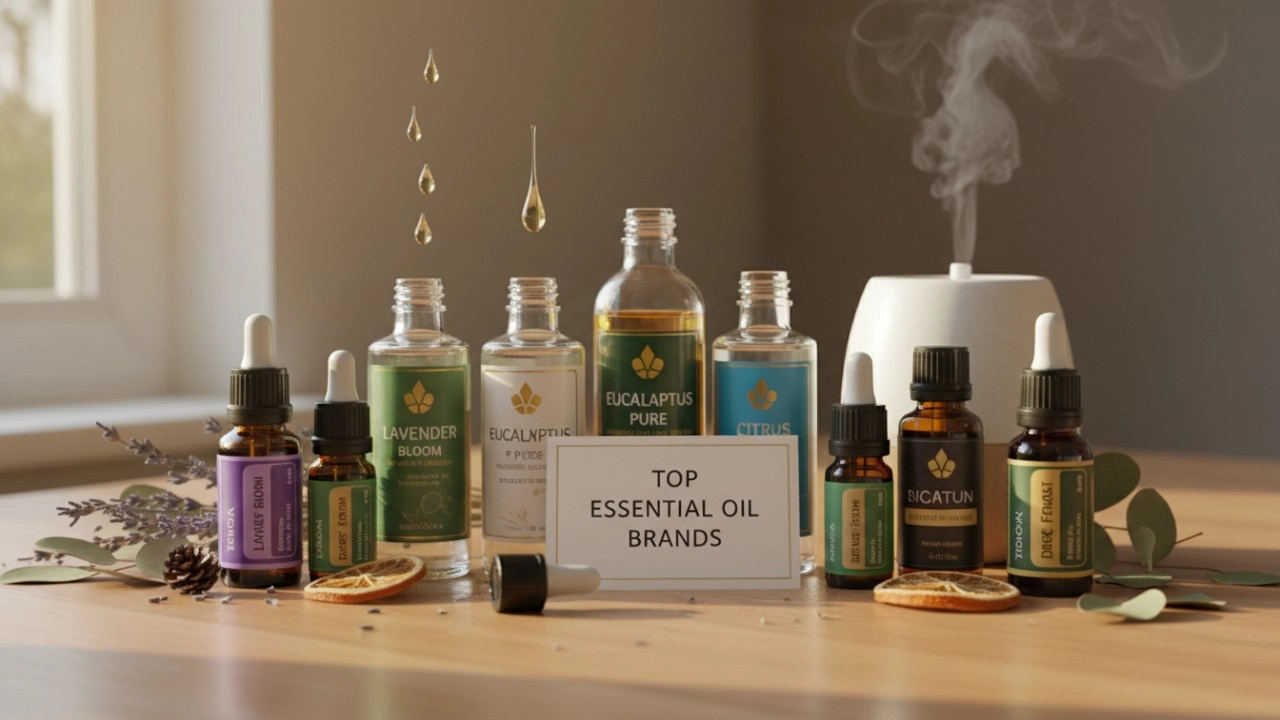
The 22 Best Essential Oil Brands of 2026: The Ultimate Guide to Purity and Value
What are the application scenarios of perfume oil?
Where to Buy organic essential oil
White Label Production
Do you provide market materials with my brand?
White Label usually does not include comprehensive marketing support; clients are expected to handle brand storytelling and promotional materials.
Can I request samples?
Yes, standard samples can be provided for evaluation.
OEM Service
How long does the perfume last?
Private Label Production
What’s the MOQ for private label orders?
Typically 500 bottles for perfumes, MOQ for cosmetics/skincare depends on product type (e.g., 1000 units for makeup).
OEM
How long does the scent last?
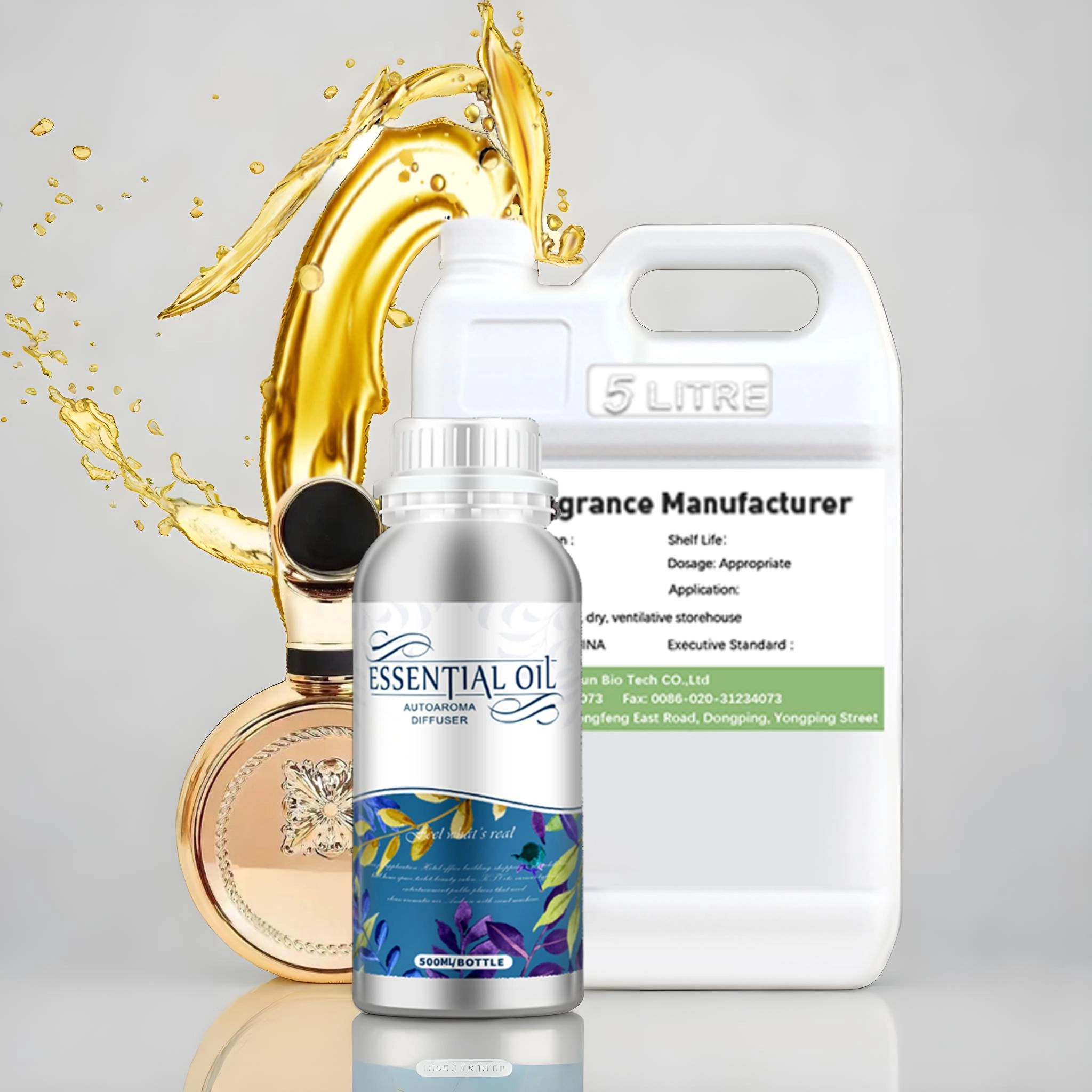
Fakhar Extrait Inspired Arabian Fragrance Oil for Diffusers & Perfume Making
Fakhar Extrait Inspired Arabian Fragrance Oil for Diffusers & Perfume Making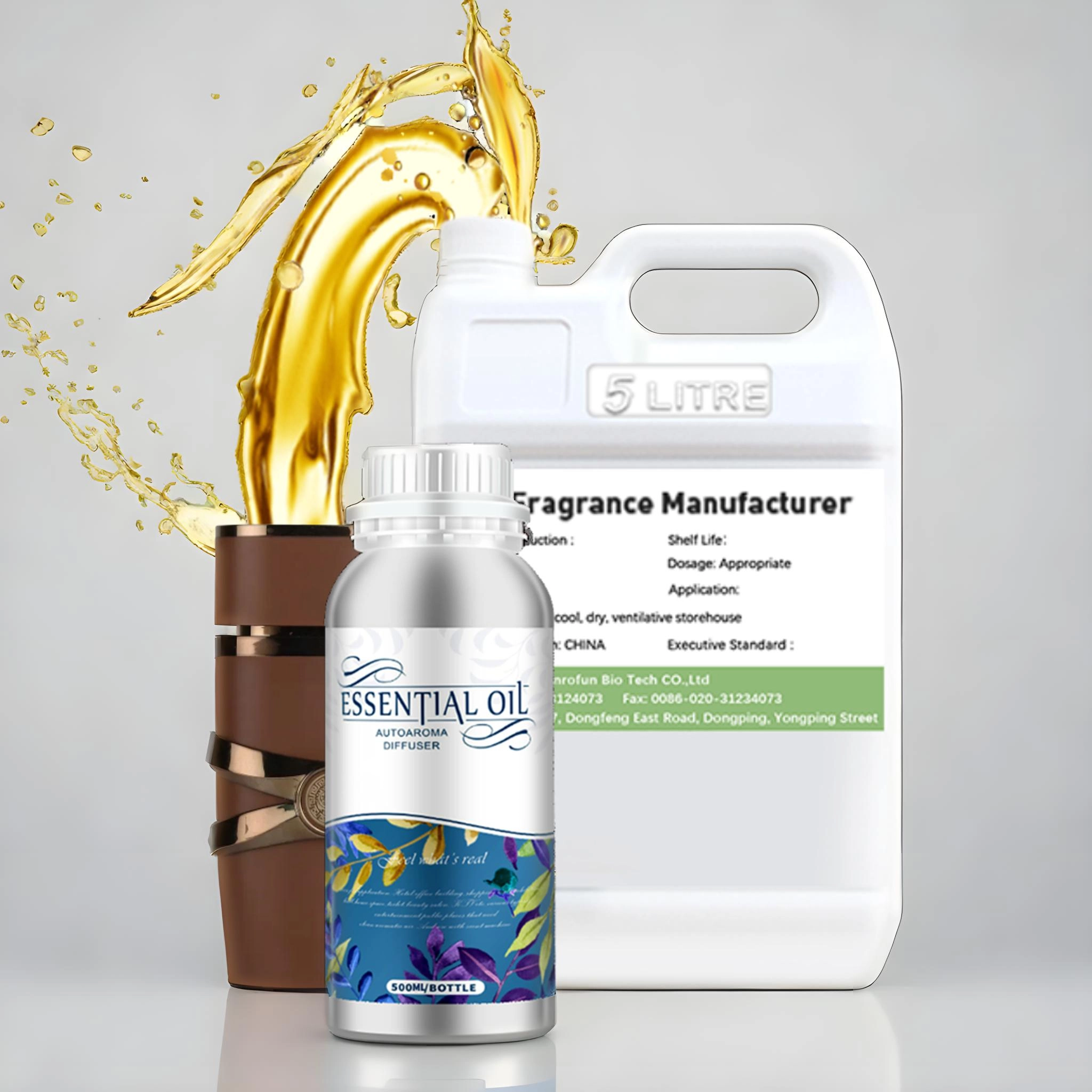
Arabian Inspired Asad Bourbon Type Fragrance Oil for Perfume & Candle Making
Arabian Inspired Asad Bourbon Type Fragrance Oil for Perfume & Candle Making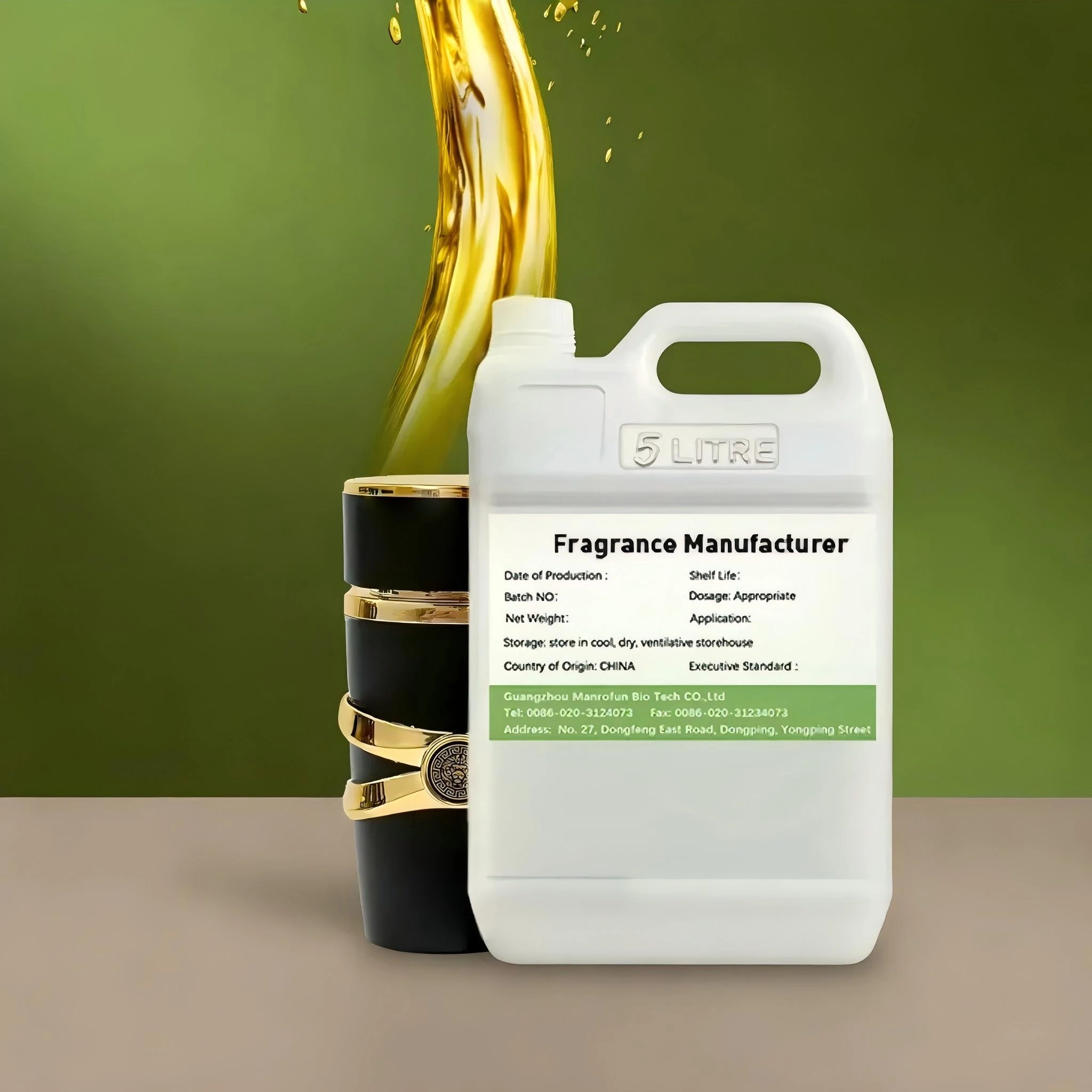
Inspired Designer Perfume by Arabian Asad Fragrance Oil
Inspired Designer Perfume by Arabian Asad Fragrance Oil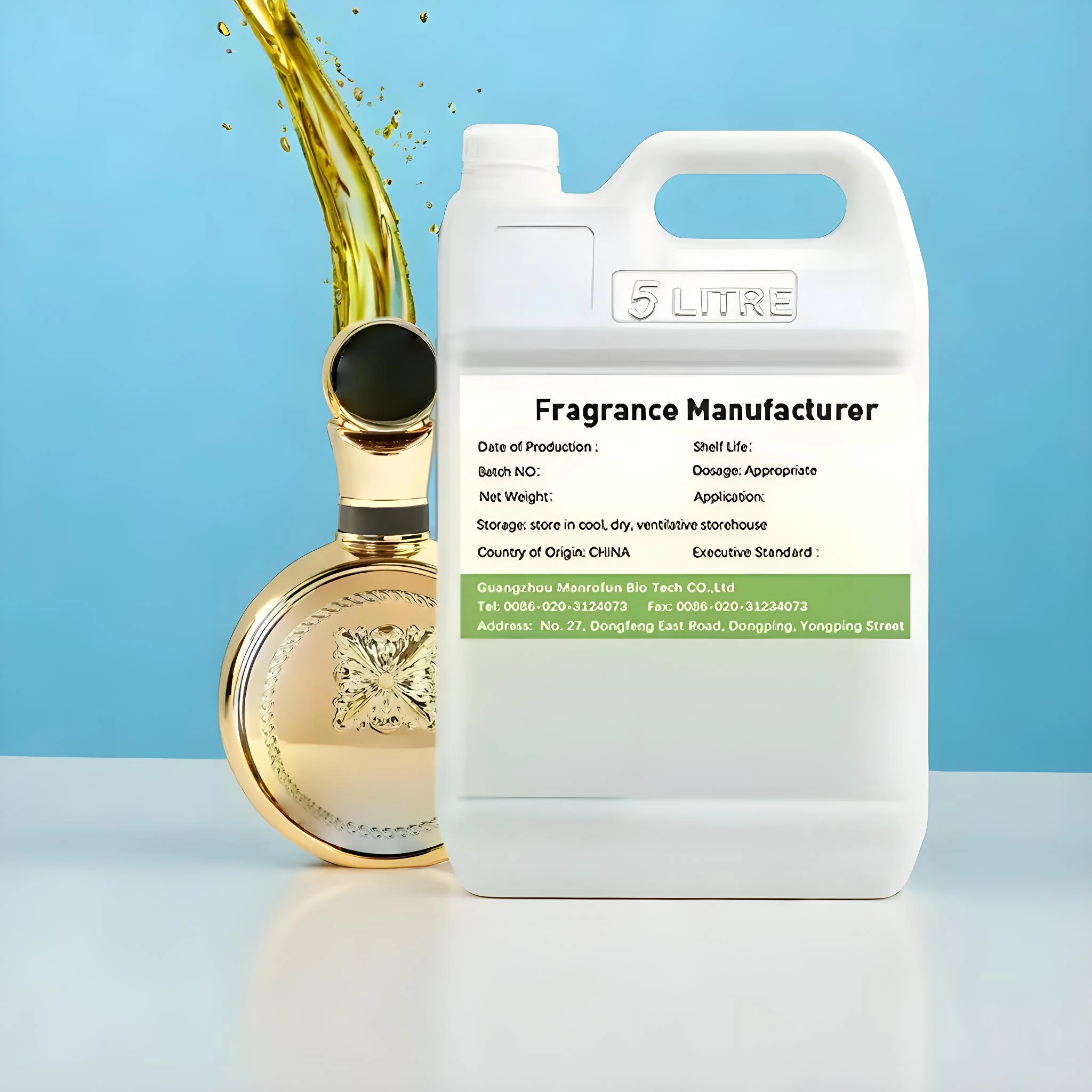
Inspired Designer Perfume by Arabian Fakhar Extrait Fragrance Oil
Inspired Designer Perfume by Arabian Fakhar Extrait Fragrance OilEmpowering Global Brands with Scent – LEUXSCENT, Your Expert Fragrance OEM Partner.
 Scan QR Code

Facebook
Instagram
LinkedIn
YouTube
Pinterest