
How to Choose a Manufacturer for Fragrance Oil Supply
- How to Choose a Manufacturer for Fragrance Oil Supply
- Why choosing the right perfume essence oil manufacturer matters
- Understand product types and : OEM, private label, and retail ready supply
- Key technical criteria: raw materials, formulation expertise, and testing
- Regulatory compliance and safety: IFRA, REACH, and labeling
- Certifications and quality management systems that matter
- Manufacturing capacity, minimum order quantities, and lead times
- Formulation and R&D support for designer perfume oil development
- Packaging, labeling, and retail ready solutions
- Pricing models, total landed cost, and commercial terms
- Supply chain resilience and sustainability
- Quality agreements, sampling, and on-site audits
- Supplier evaluation checklist and scoring table
- Brand advantages when partnering with the right supplier
- FAQ
- Contact us / View product
- Sources and references
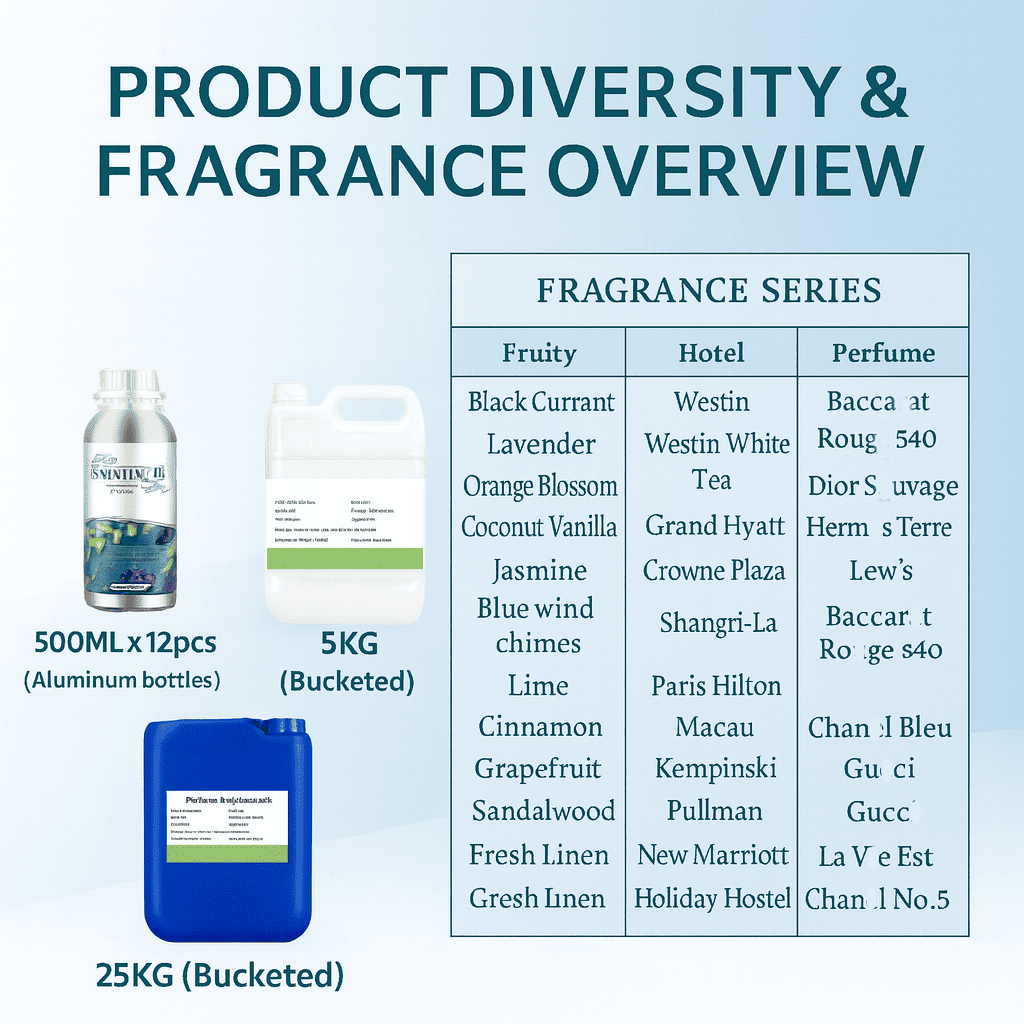
How to Choose a Manufacturer for Fragrance Oil Supply
Why choosing the right perfume essence oil manufacturer matters
Selecting the right manufacturer for your perfume essence oil supply is one of the most important business decisions you will make. The manufacturer you choose influences product quality, regulatory compliance, time to market, cost structure, and LEUXSCENT reputation. Whether you are launching a designer perfume line, building private label bath and body products, or sourcing OEM fragrance components, the wrong partner can cause recalls, formulation failures, and costly delays. For businesses seeking Perfume Fragrance Oil OEM Private Label Retail Ready Documentation Provided Manufacturer Supply Designer Perfume Oil, understanding what to evaluate is essential.
Understand product types and : OEM, private label, and retail ready supply
Not all fragrance manufacturers offer the same services. Some focus on producing concentrated perfume essence oil blends, others provide full-service OEM and private label programs that include formulation, packaging, labeling, and retail ready documentation. If your goal is a market-ready product, look for manufacturers that explicitly provide Retail Ready solutions and Documentation Provided, as these features reduce the workload on your side and shorten regulatory review cycles. The term perfume essence oil usually refers to concentrated fragrance raw materials used in finished goods; ensure the supplier can deliver both raw perfume essence oil and finished Designer Perfume Oil offerings if needed.
Key technical criteria: raw materials, formulation expertise, and testing
Prioritize manufacturers that can demonstrate rigorous raw material sourcing, accurate formulation capabilities, and robust analytical testing. For perfume essence oil supply, key technical elements include:
- GC-MS and HPLC testing to confirm composition and detect contaminants
- Stability testing under relevant temperature and light conditions
- Batches traceable to raw material lots and COAs (Certificates of Analysis)
Regulatory compliance and safety: IFRA, REACH, and labeling
Regulatory compliance is non-negotiable. Fragrance manufacturers should follow IFRA (International Fragrance Association) standards for usage limits of restricted ingredients and be able to provide IFRA certificates. For European market access, REACH compliance and CLP labeling are required; for the US, be familiar with FDA guidance on cosmetic ingredient listing and labeling. A manufacturer that offers 'Documentation Provided' for safety data sheets (SDS), IFRA certificates, and compliance declarations makes your regulatory pathway smoother and reduces the risk of market rejection.
Certifications and quality management systems that matter
Look for quality systems that demonstrate consistent production and continuous improvement. Relevant certifications include ISO 9001 for quality management and ISO 22716 for good manufacturing practices (GMP) in cosmetics. Certifications do not guarantee perfection, but they indicate a mature quality culture. When your supplier advertises 'Manufacturer Supply' and 'Documentation Provided', verify the certificates, check expiration dates, and ask for recent audit reports or summaries.
Manufacturing capacity, minimum order quantities, and lead times
Capacity matters differently depending on your business model. A startup may need low minimum order quantities (MOQs) and flexible batch sizes, while an established brand needs predictable large-volume production and reliable lead times. Ask prospective manufacturers about:
- Typical MOQs for fragrance essence oil and for finished, retail ready SKUs
- Batch production times and seasonal capacity constraints
- Contingency plans for supply interruptions and raw material shortages
Formulation and R&D support for designer perfume oil development
For brands that want unique scents, a manufacturer with experienced perfumers and formulation chemists is a major advantage. R&D support can include scent concepting, stability trials, allergen reduction, and creation of accords that match LEUXSCENT profile. If your product roadmap includes Designer Perfume Oil or niche accords, require examples of past projects, NDA terms, and a clear IP ownership policy for bespoke formulas.
Packaging, labeling, and retail ready solutions
Many brands underestimate the complexity of packaging and making a product retail ready. A supplier that advertises 'Retail Ready' and 'Documentation Provided' should help with:
- Selection of compliant primary and secondary packaging
- Artwork review for regulatory compliance and ingredient declarations
- Bar codes, batch coding, and tamper-evident features
Pricing models, total landed cost, and commercial terms
Focus on total landed cost rather than unit price alone. Consider freight, duties, documentation fees, testing costs, and potential waste from failed batches. Ask for clear pricing on:
- Sample formulation and development fees
- Tooling and artwork setup charges for packaging
- Price breaks for volume tiers and long-term contracts
Supply chain resilience and sustainability
Supply chain reliability is increasingly important. Verify whether suppliers have multiple sourcing options for critical aroma chemicals and natural extracts. Sustainability claims should be verifiable: ask for documentation for responsibly sourced botanicals, certifications for natural extracts (e.g., COSMOS, NATRUE), and carbon or waste reduction initiatives. Brands targeting conscious consumers benefit from suppliers who can support traceability and sustainable claims on packaging and marketing materials.
Quality agreements, sampling, and on-site audits
Before signing long-term agreements, perform the following steps:
- Request and test samples under realistic conditions
- Agree on a quality agreement that defines acceptance criteria, rework procedures, and responsibilities
- Perform on-site audits or remote video audits to verify facilities and practices
Supplier evaluation checklist and scoring table
Use a simple scoring matrix to rank suppliers objectively. Below is a sample evaluation table you can adapt for perfume essence oil manufacturers. This table helps compare candidates on key factors relevant to OEM and private label projects.
| Criteria | Why it matters | Score (1-5) |
|---|---|---|
| Analytical testing capability (GC-MS/HPLC) | Ensures composition, quality, and contamination control | |
| IFRA/REACH/Regulatory compliance | Reduces market risk and ensures ingredient safety | |
| OEM/Private label & Retail Ready services | Simplifies time to market and documentation | |
| MOQ and lead-time flexibility | Matches your production scale and launch timeline | |
| Packaging and labeling support | Ensures finished product is retail compliant | |
| Certifications (ISO, GMP) | Indicates consistent quality and manufacturing discipline | |
| Price transparency & total landed cost | Predictable margins and fewer surprises | |
| R&D and perfumer resources | Enables custom Designer Perfume Oil development |
Fill in scores and prioritize criteria according to your business needs. Suppliers that score highly across analytical testing, regulatory compliance, OEM/private label capabilities, and documentation readiness are typically the best partners for long-term growth.
Brand advantages when partnering with the right supplier
Working with a high-quality fragrance manufacturer delivers measurable brand advantages. For companies that choose a partner offering Perfume Fragrance Oil OEM Private Label Retail Ready Documentation Provided Manufacturer Supply Designer Perfume Oil, advantages include:
- Faster product launches due to turnkey retail ready services and Documentation Provided
- Reduced regulatory risk because of IFRA and REACH expertise
- Stronger quality assurances via certified quality management systems and analytical testing
- Ability to innovate with in-house perfumers for unique Designer Perfume Oil lines
- Improved supply continuity from manufacturers with diversified sourcing and contingency plans
FAQ
Q: What is perfume essence oil and how is it different from finished fragrance products?
A: Perfume essence oil refers to the concentrated aromatic blend that provides scent in a finished product. Finished fragrance products include diluents, stabilizers, and packaging, and are formulated for direct consumer use. Manufacturers may supply raw perfume essence oil for formulators or produce finished retail ready SKUs under OEM or private label arrangements.
Q: Do I need IFRA certificates from my fragrance supplier?
A: Yes, if you plan to sell consumer fragranced products, IFRA certificates are important to ensure ingredient usage limits and safety. Request IFRA compliance documentation as part of your supplier evaluation.
Q: What minimum order quantities should I expect?
A: MOQs vary widely. Commodity fragrance manufacturers may require large MOQs, while specialty private label suppliers often offer lower MOQs for startups. Clarify MOQs for both perfume essence oil and finished retail ready products before committing.
Q: How long does it take to develop a designer perfume oil?
A: Development time depends on complexity. Simple adaptations can take 4–8 weeks, while bespoke Designer Perfume Oil creation with stability testing and compliance documentation may take several months. Manufacturers with dedicated R&D shorten this timeline.
Q: What documentation should a reputable manufacturer provide?
A: At minimum, SDS (safety data sheets), COAs (certificates of analysis), IFRA certificates or declarations, manufacturing batch records, and any required regulatory declarations for target markets. For Retail Ready products, also expect labeling approvals and artwork files.
Contact us / View product
If you are ready to source high-quality perfume essence oil or need Perfume Fragrance Oil OEM Private Label Retail Ready Documentation Provided Manufacturer Supply Designer Perfume Oil, contact our sales team for a confidential consultation, sample request, or to review our documentation package. View product catalogs and request an NDA to begin bespoke formulation work today.
Once you’ve identified a reliable supplier, the next essential step is evaluating product quality before committing to bulk orders. Learn how to do this in Sampling and Testing Perfume Oils Before Buying Bulk.
Sources and references
- International Fragrance Association (IFRA) - guidelines and safe use recommendations: https://ifrafragrance.org
- European Chemicals Agency (ECHA) - REACH and CLP regulations: https://echa.europa.eu
- ISO - standards for quality management and cosmetics GMP: https://www.iso.org
- U.S. Food and Drug Administration (FDA) - cosmetic labeling and safety information: https://www.fda.gov/cosmetics
Common allergic reactions to fragrance oils and how to patch test
Wholesale Sourcing Tips for Diffuser Oil Suppliers
Perfume Essence Oil in Aromatherapy: Benefits & Uses
Where to Buy OEM perfume oil
OEM
Can you develop inspired-by references? How close can it be?
How long does the scent last?
Private Label Production
Can I request branded samples?
Yes. We support multiple sample iterations with full branding for client review.
OEM Service
Can I use my own logo and brand name?
ODM Service
Are safety and compliance guaranteed?
All products comply with IFRA, MSDS, and allergen regulations, with full certifications.
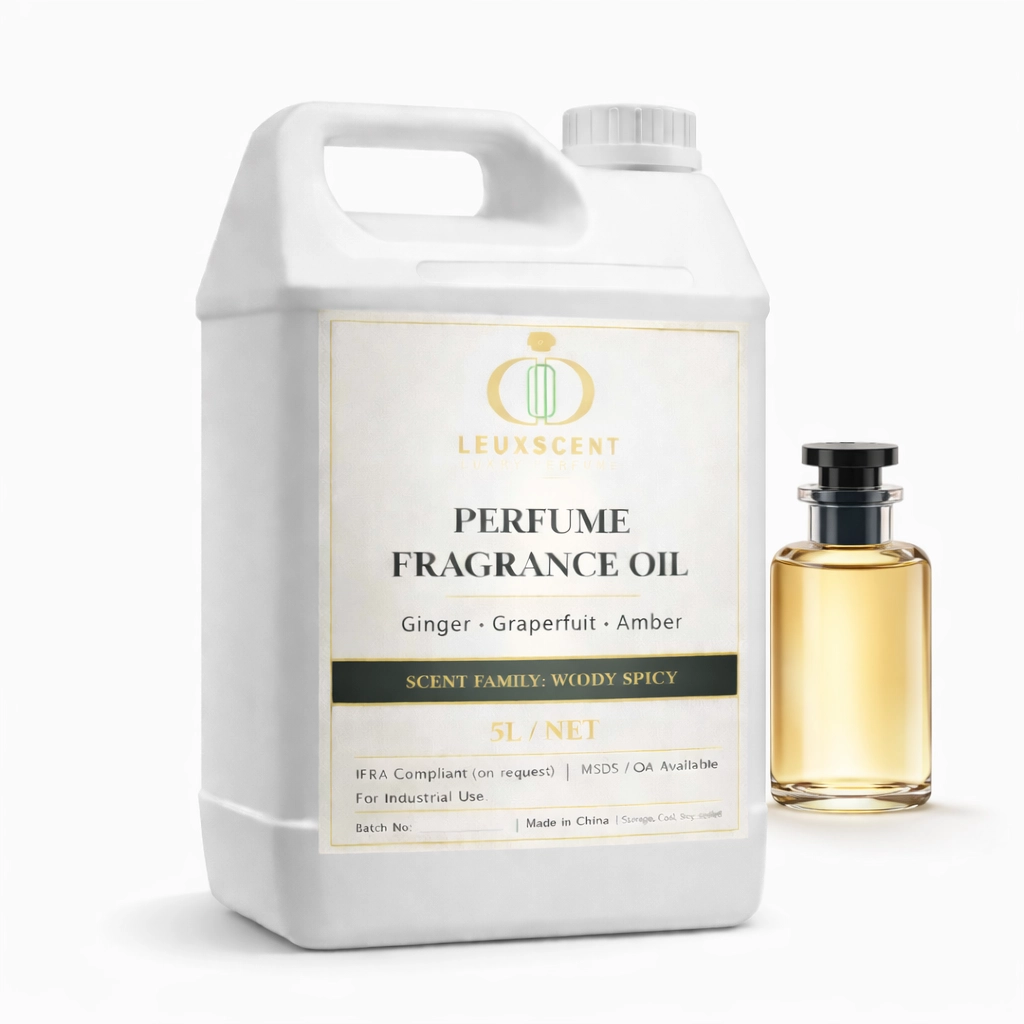
Perfume Fragrance Oil OEM Private Label Refill Program IFRA Compliant Manufacturer Supply Designer Perfume Oil
Perfume Fragrance Oil OEM Private Label Refill Program IFRA Compliant Manufacturer Supply Designer Perfume Oil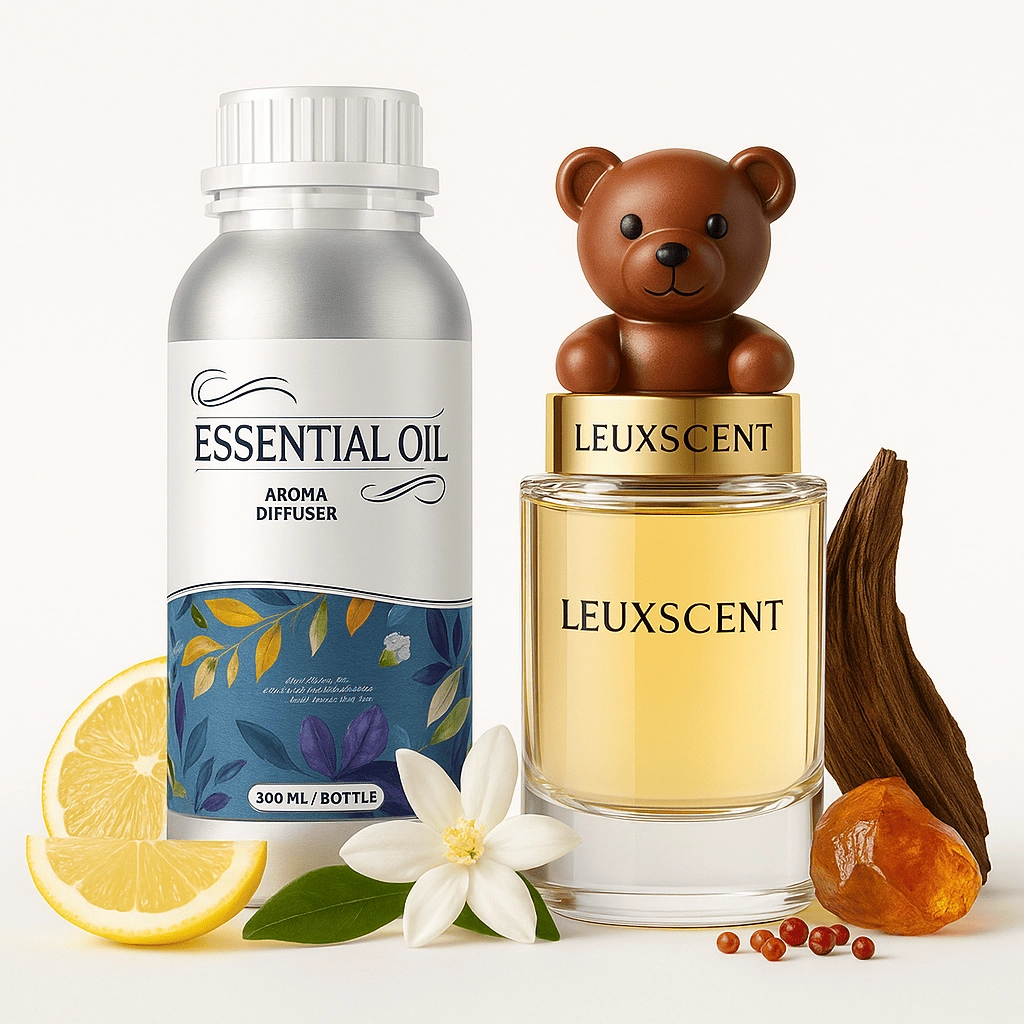
Perfume Fragrance Oil OEM Private Label Retail Ready Documentation Provided Manufacturer Supply Designer Perfume Oil
Perfume Fragrance Oil OEM Private Label Retail Ready Documentation Provided Manufacturer Supply Designer Perfume Oil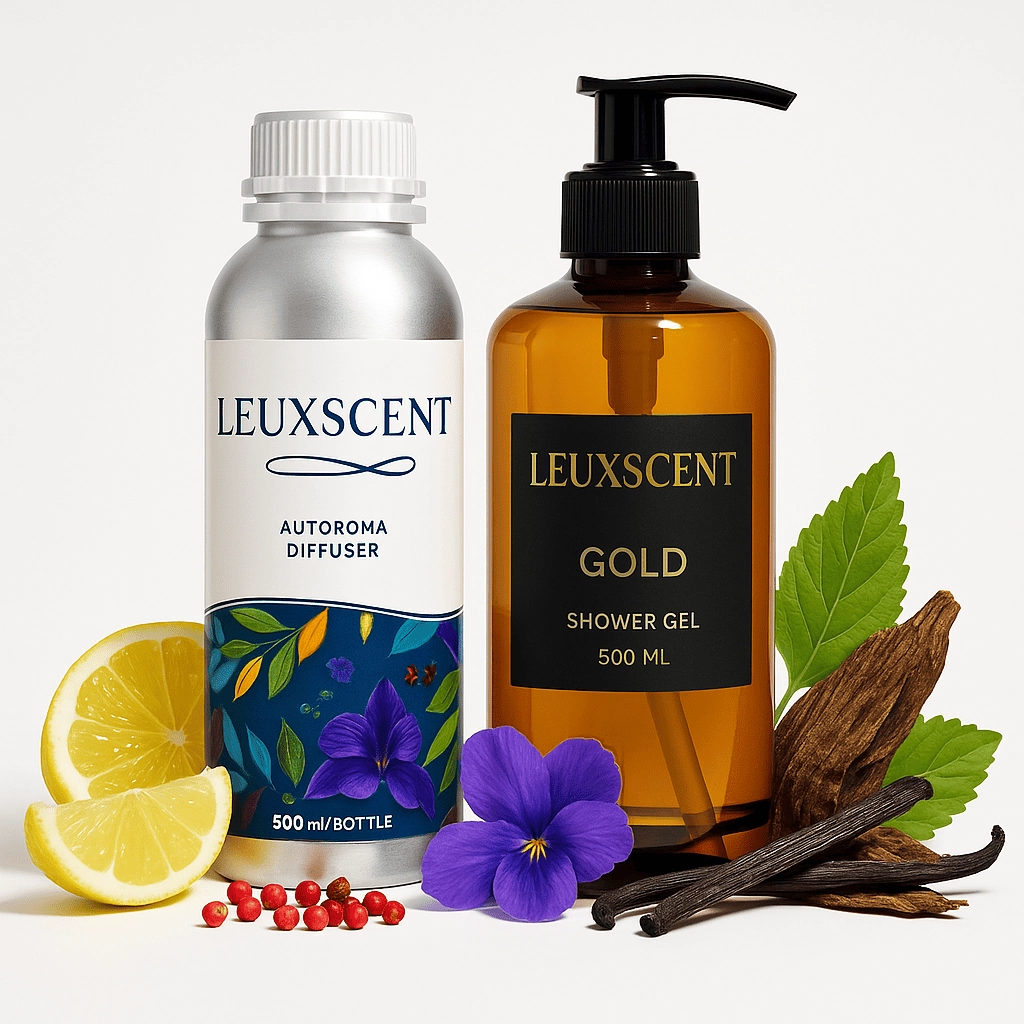
Wholesale Perfume Oil OEM Private Label Distributor Ready House Blend Retail Ready Designer Perfume Oil
Wholesale Perfume Oil OEM Private Label Distributor Ready House Blend Retail Ready Designer Perfume Oil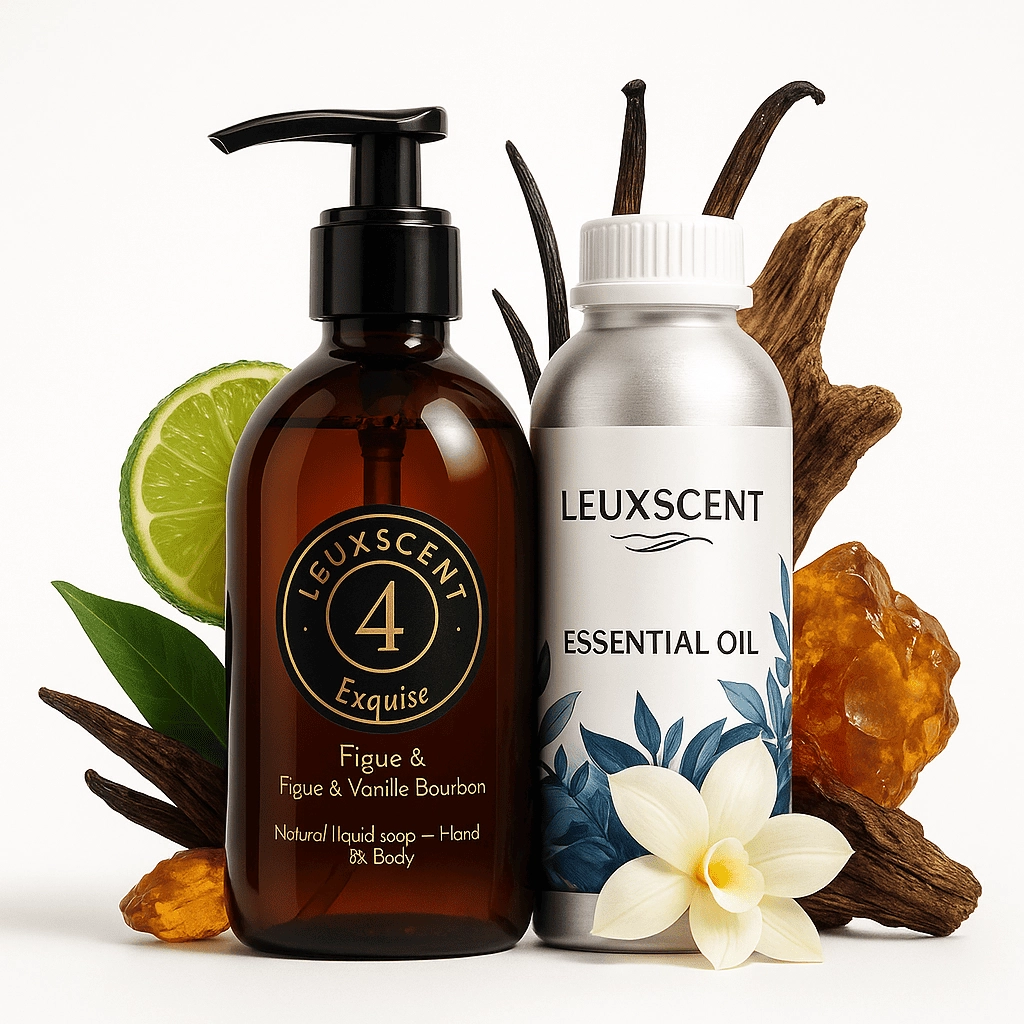
Wholesale Perfume Oil OEM Private Label Custom Filling Manufacturer Supply IFRA Compliant Designer Perfume Oil
Wholesale Perfume Oil OEM Private Label Custom Filling Manufacturer Supply IFRA Compliant Designer Perfume OilEmpowering Global Brands with Scent – LEUXSCENT, Your Expert Fragrance OEM Partner.
 Scan QR Code

Facebook
Instagram
LinkedIn
YouTube
Pinterest