
Sampling and Testing Perfume Oils Before Buying Bulk
- Why Sampling Perfume Essence Oil Matters Before Bulk Purchase
- Types of Samples: What to Request from Your Supplier
- Keyword: perfume essence oil — Sample Types and Why They Matter
- Olfactory Evaluation: Building a Reliable Sensory Panel
- Keyword: perfume essence oil — Olfactory Testing Tips
- Analytical Testing: GC-MS, HPLC and What They Reveal
- Keyword: perfume essence oil — Why Analytical Tests Are Essential
- Stability and Compatibility Testing: Packaging, Heat, Light and Time
- Regulatory and Safety Testing: IFRA, REACH, and SDS Review
- Cost Considerations: Sampling vs. Risk of Bulk Issues
- Choosing a Supplier: Questions to Ask Before Accepting Samples
- Practical Sampling Workflow: A Checklist for Buyers
- Keyword: perfume essence oil — Testing Workflow
- Brand Advantages: Why Partner with Perfume Fragrance Oil OEM Private Label Retail Ready Documentation Provided Manufacturer Supply Designer Perfume Oil
- FAQs — Sampling and Testing Perfume Oils
- Contact and Next Steps
- References
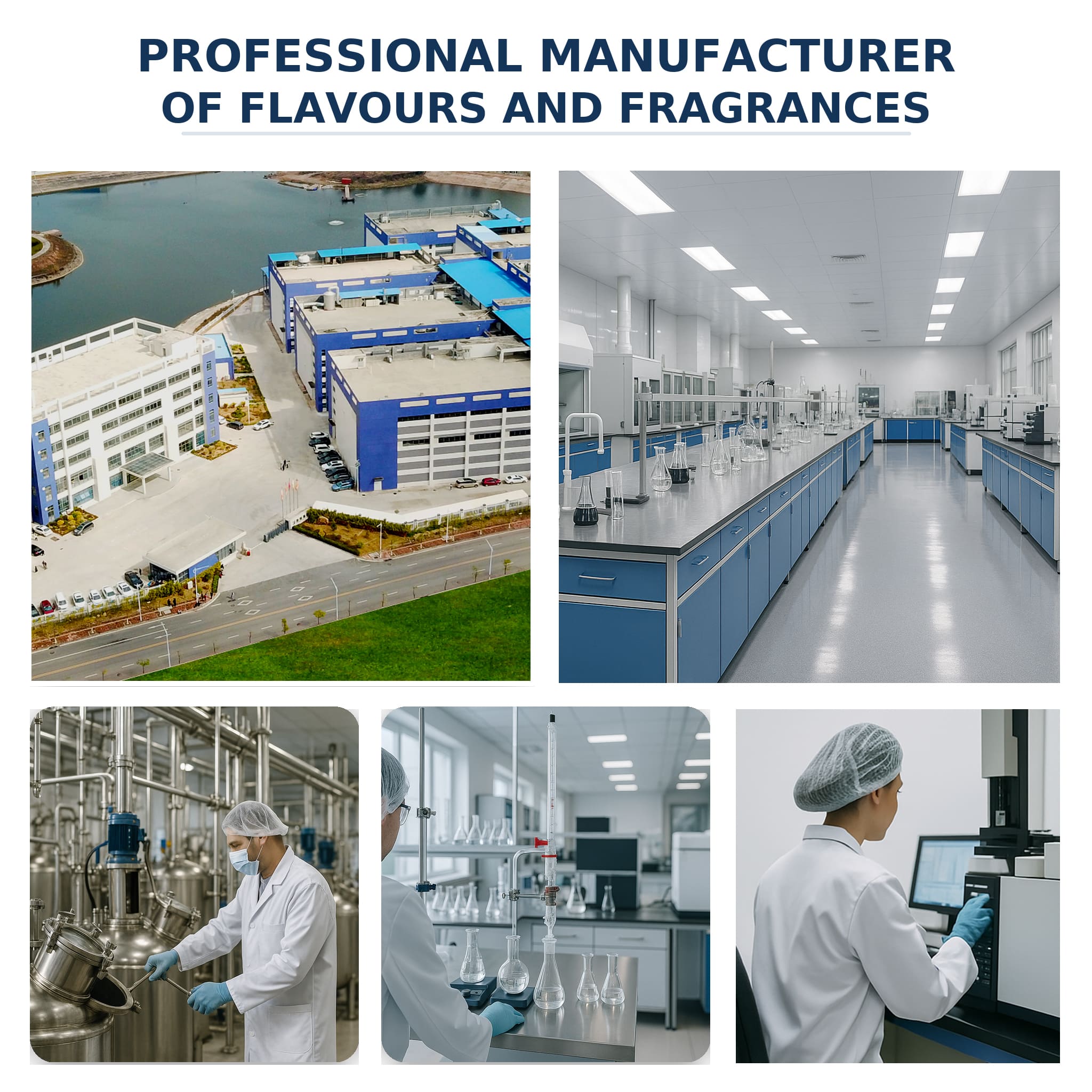
Why Sampling Perfume Essence Oil Matters Before Bulk Purchase
Buying perfume essence oil in bulk is a major decision for brands, private-labelers, and contract manufacturers. A single compromised batch can cause product recalls, customer complaints, and significant financial loss. That is why every responsible buyer should insist on a robust sampling and testing protocol before signing a bulk order. This article explains practical steps you can take to evaluate perfume essence oil, including sensory and laboratory testing, documentation review, and supplier qualification. It also addresses how to work effectively with a manufacturer like Perfume Fragrance Oil OEM Private Label Retail Ready Documentation Provided Manufacturer Supply Designer Perfume Oil to ensure reliable supply and regulatory compliance.
Types of Samples: What to Request from Your Supplier
When requesting perfume oil samples, specify the sample type and quantity so your testing can be meaningful. Typical sample types include:
- Small vials (2–10 mL): Ideal for olfactory assessment and preliminary blending tests.
- Working samples (25–100 mL): Useful for stability acceleration tests and small-scale production runs.
- Pilot batch (1–5 L): Recommended before full-scale ordering to validate manufacturing conditions and packaging compatibility.
Ask your supplier for the sample’s production date, batch or lot number, full ingredient listing (including CAS numbers where applicable), and accompanying documentation (SDS, IFRA certificate, specification sheet). If a manufacturer like Perfume Fragrance Oil OEM Private Label Retail Ready Documentation Provided Manufacturer Supply Designer Perfume Oil can provide retail-ready documentation with the sample, this accelerates your internal approvals.
Keyword: perfume essence oil — Sample Types and Why They Matter
Different sample sizes enable different tests. Small vials are cost-effective for multiple scent panels; pilot batches test production reproducibility. Always request traceable lot numbers and documentation to support regulatory checks prior to bulk commitment.
Olfactory Evaluation: Building a Reliable Sensory Panel
Human perception of scent remains the primary test for perfume quality. An objective olfactory evaluation reduces the risk of subjective errors. Best practices include:
- Assemble a small panel (3–7 people): Include technical perfumers if available, plus regular consumers representing your target audience.
- Blind testing: Present samples coded to avoid bias.
- Standardized sniffing protocol: Use sniff strips (absorbent paper), maintain consistent sniffing intervals, and avoid cross-contamination.
- Record attributes: Top/middle/base notes, intensity, diffusion, longevity, and any off-notes (chemical, metallic, rancid).
For repeatable results, document the exact concentration of the perfume essence oil in a carrier (e.g., 10% w/w in perfumer’s alcohol) and test across consistent time points: immediate, 1 hour, 24 hours, and 7 days.
Keyword: perfume essence oil — Olfactory Testing Tips
Human panels detect nuances instruments cannot. Combine sensory results with lab tests to validate longevity and stability claims provided by suppliers such as Perfume Fragrance Oil OEM Private Label Retail Ready Documentation Provided Manufacturer Supply Designer Perfume Oil.
Analytical Testing: GC-MS, HPLC and What They Reveal
Analytical testing provides objective chemical profiles of your perfume essence oil. Common tests include:
- GC-MS (Gas Chromatography–Mass Spectrometry): Identifies volatile organic compounds and their relative concentrations—essential for fingerprinting and detecting adulteration.
- HPLC (High-Performance Liquid Chromatography): Useful when non-volatiles or synthetic fixatives must be quantified.
- FTIR (Fourier-transform infrared spectroscopy): Rapid screening for major functional groups; sometimes used for identity verification.
Request a full chromatogram and a compound list with retention indices. If the supplier provides a Certificate of Analysis (CoA), compare it to your independent lab results to confirm batch integrity.
Keyword: perfume essence oil — Why Analytical Tests Are Essential
Analytical tests identify potential allergens, banned substances, or unexpected contaminants. Suppliers with strong quality systems—like the product offering from Perfume Fragrance Oil OEM Private Label Retail Ready Documentation Provided Manufacturer Supply Designer Perfume Oil—should provide CoAs and facilitate third-party testing.
Stability and Compatibility Testing: Packaging, Heat, Light and Time
Stability testing ensures the perfume maintains fragrance, color, and chemical integrity under expected storage and transport conditions. Key stability protocols include:
- Accelerated stability: Expose samples to elevated temperatures (e.g., 40°C ± 2°C) and high humidity for 1–3 months to simulate long-term aging.
- Real-time stability: Monitor samples under normal storage for 6–12 months when feasible.
- Packaging compatibility: Test the perfume in intended packaging (metals, plastics, glass) to detect adsorption, leaching, or color changes.
Record sensory changes, chromatographic shifts, and any appearance changes. A manufacturer offering retail-ready documentation should supply prior stability data demonstrating compatibility with typical container types and closures.
Regulatory and Safety Testing: IFRA, REACH, and SDS Review
Regulatory compliance is non-negotiable. Before buying bulk perfume essence oil, verify:
- Supplier provides an up-to-date Safety Data Sheet (SDS).
- IFRA certificate or conforming statement for formulations, if you intend to sell consumer fragranced products (IFRA sets use limits for many fragrance materials).
- REACH compliance (for EU markets) or relevant regional chemical registrations.
- Labeling guidance for allergens under local regulations (e.g., EU Cosmetic Regulation 1223/2009 requires disclosure of 26 fragrance allergens when above thresholds).
Always cross-check the supplier’s documentation against your local regulatory obligations. If you plan to market internationally, ask for multi-jurisdictional support from suppliers like Perfume Fragrance Oil OEM Private Label Retail Ready Documentation Provided Manufacturer Supply Designer Perfume Oil.
Cost Considerations: Sampling vs. Risk of Bulk Issues
Sampling and testing increase upfront costs but mitigate far larger downstream risks. Here is a simple cost-benefit comparison:
| Activity | Typical Cost Range (USD) | Benefit |
|---|---|---|
| Small olfactory sample vials | $20–$100 | Quick scent validation |
| Analytical testing (GC-MS, CoA) | $200–$800 per sample | Verify chemical profile and detect adulteration |
| Accelerated stability test | $400–$1,500 per condition | Predict shelf-life, packaging compatibility |
| Pilot batch production | $500–$5,000 depending on volume | Validate manufacturing and packaging operations |
Sources for typical lab costs: independent testing labs such as Eurofins and local contract labs (costs vary by region and test complexity).
Choosing a Supplier: Questions to Ask Before Accepting Samples
When engaging suppliers, focus on traceability, quality systems, and documentation. Useful questions include:
- Can you provide SDS, CoA, IFRA certificate, and full ingredient disclosures (including CAS numbers)?
- Do you retain production batch records and can you share pilot batch results?
- What are your QA/QC processes (in-house testing, third-party audits)?
- Can you supply references from other private-label brands or designers?
- Is private labeling and retail-ready documentation included (artwork support, barcodes, regulatory files)?
Manufacturers that proactively provide comprehensive documentation—such as Perfume Fragrance Oil OEM Private Label Retail Ready Documentation Provided Manufacturer Supply Designer Perfume Oil—reduce friction in approvals and speed time-to-market.
Practical Sampling Workflow: A Checklist for Buyers
Use this actionable workflow when testing perfume oils before bulk buy:
- Request clearly labeled samples with lot numbers and production dates.
- Obtain supplier documentation: SDS, CoA, IFRA statement, ingredient listing.
- Run an olfactory panel using standardized concentrations and sniff times.
- Order GC-MS/HPLC analysis from a reputable lab and compare to supplier CoA.
- Conduct accelerated stability and packaging compatibility tests.
- Evaluate regulatory compliance for target markets; request supplier support for declarations.
- If results are satisfactory, run a pilot batch before full purchase.
Keyword: perfume essence oil — Testing Workflow
This checklist protects LEUXSCENT and ensures the scent you plan to sell matches customer expectations in real-world use.
Brand Advantages: Why Partner with Perfume Fragrance Oil OEM Private Label Retail Ready Documentation Provided Manufacturer Supply Designer Perfume Oil
When you select a supplier, choose one that supports the entire sampling-to-production pathway. Key advantages of partnering with an experienced manufacturer like Perfume Fragrance Oil OEM Private Label Retail Ready Documentation Provided Manufacturer Supply Designer Perfume Oil include:
- Comprehensive documentation: SDS, CoA, IFRA compliance statements and retail-ready paperwork reduce regulatory hurdles.
- Private label capabilities: Assistance with formulation adjustment, packaging compatibility, and label claims speeds product launch.
- Quality assurance: In-house QC plus third-party lab cooperation for analytical validation.
- Scalability: Ability to move from sample to pilot batch to full-scale production with stable quality control.
These attributes make it easier for brands to maintain consistent product performance and meet market entry requirements.
FAQs — Sampling and Testing Perfume Oils
Q: How many samples should I request before a bulk order?
A: At minimum, request 3 small vials (2–10 mL) from different production batches if available, one working sample (25–100 mL) for stability/compatibility testing, and a pilot batch (1–5 L) before full-scale orders.
Q: What documents must a reliable supplier provide with samples?
A: SDS, Certificate of Analysis (CoA), IFRA compliance statement (if applicable), ingredient list with CAS numbers, and lot/batch identification.
Q: How long does accelerated stability testing take?
A: Typically 1–3 months under elevated temperature/humidity conditions to simulate long-term aging. Real-time testing for full shelf-life confirmation can take 6–12 months.
Q: Can I rely solely on the supplier’s CoA?
A: No. Always verify with an independent lab at least once per new supplier or critical reformulation, and again for new batches when possible.
Q: What are common red flags when testing perfume oils?
A: Strong chemical or metallic off-notes, significant chromatographic differences from supplier CoA, rapid color changes, and packaging incompatibility (e.g., plasticizers leaching).
Contact and Next Steps
If you are ready to request samples or need assistance with testing protocols and documentation, contact our team. We can coordinate sample shipments, recommend certified labs, and provide private-label packaging and regulatory support through Perfume Fragrance Oil OEM Private Label Retail Ready Documentation Provided Manufacturer Supply Designer Perfume Oil. Reach out to our sales team to request a sample kit or pilot-batch quote and to discuss tailored testing plans for LEUXSCENT.
After sampling, many brands move toward creating unique, signature blends that set them apart. Discover how this process works in Custom Scent Development: Working with Perfume Oil Designers.
References
- International Fragrance Association (IFRA) — Guidance and Standards: https://ifrafragrance.org
- European Chemicals Agency (ECHA) — REACH Information: https://echa.europa.eu
- Eurofins — Cosmetic and Fragrance Testing Services: https://www.eurofins.com
- Grand View Research — Fragrance Market Reports (market sizing and trends): https://www.grandviewresearch.com
- Statista — Fragrance Industry Statistics: https://www.statista.com
The 22 Best Essential Oil Brands of 2026: The Ultimate Guide to Purity and Value
Best Diffuser Oils for Stress Relief and Anxiety
How to Choose the rose essential oil manufacturer and supplier ?
Where to Buy private label fragrance
Wholesale
Are flexible payment options supported?
Yes, Leuxscent supports various payment methods, including wire transfer and letters of credit.
Is shipment tracking available after dispatch?
Yes, we provide tracking numbers and real-time updates to monitor shipments.
Is long-term cooperation and customized development supported?
Leuxscent is committed to long-term partnerships, offering continuous innovation and customization services.
FAQs
What products does LEUXSCENT offer?
We specialize in flavors and fragrances for food, beverages, seasonings, daily chemicals, and tobacco products.
OEM Service
Do you provide packaging and bottle design?
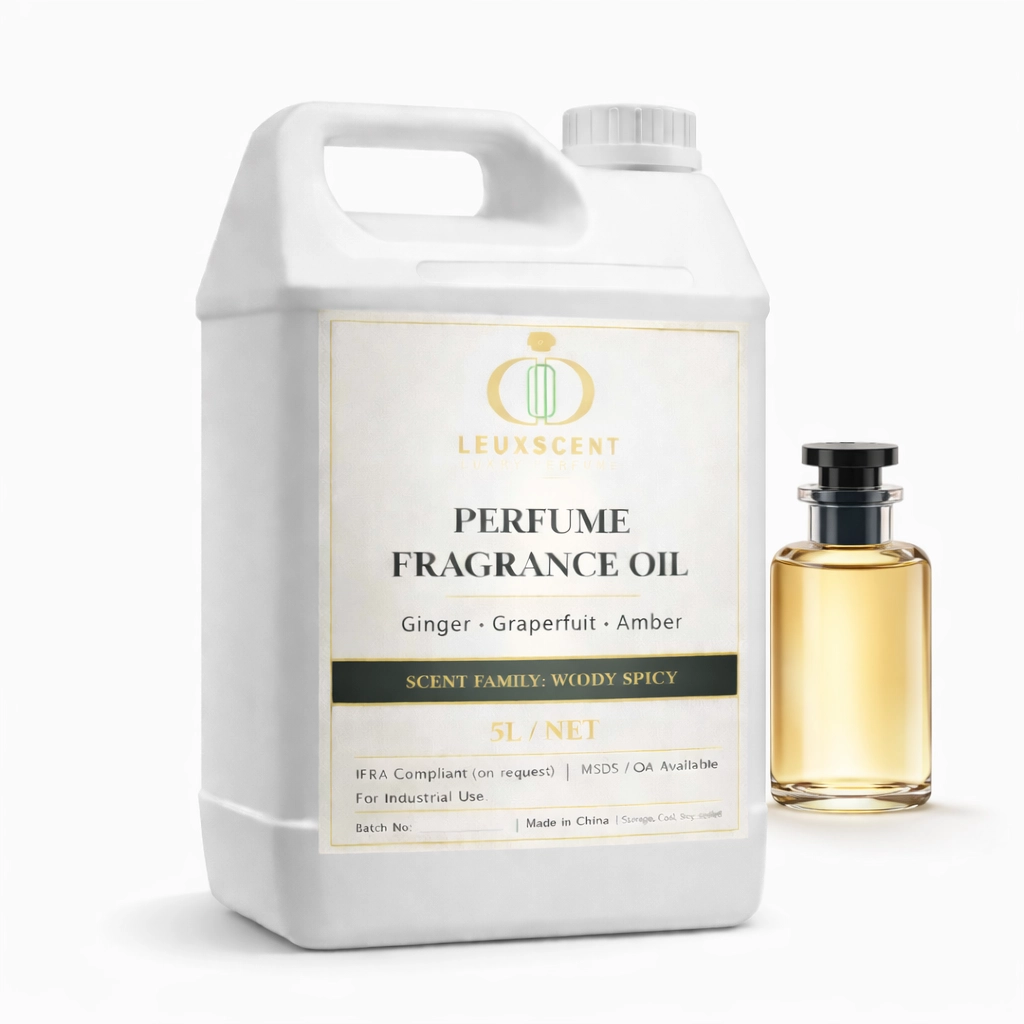
Perfume Fragrance Oil OEM Private Label Refill Program IFRA Compliant Manufacturer Supply Designer Perfume Oil
Perfume Fragrance Oil OEM Private Label Refill Program IFRA Compliant Manufacturer Supply Designer Perfume Oil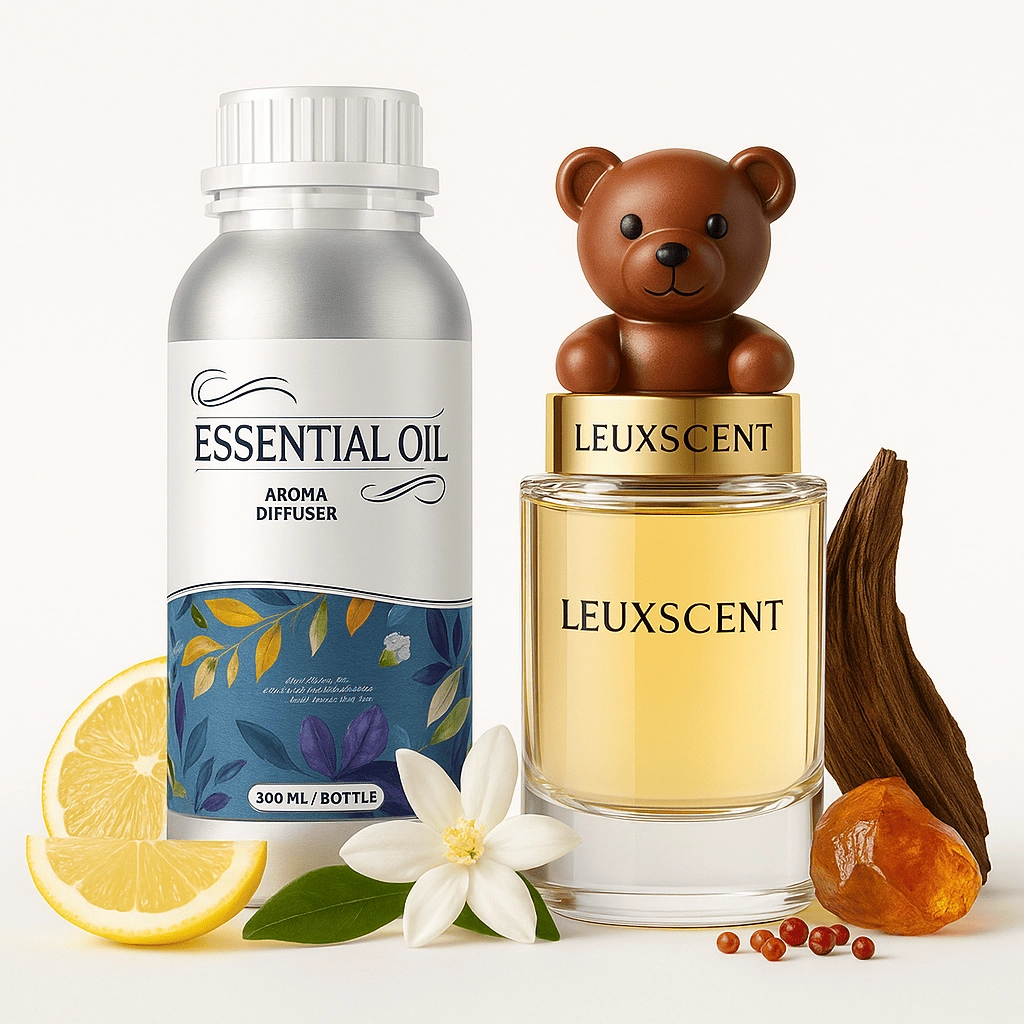
Perfume Fragrance Oil OEM Private Label Retail Ready Documentation Provided Manufacturer Supply Designer Perfume Oil
Perfume Fragrance Oil OEM Private Label Retail Ready Documentation Provided Manufacturer Supply Designer Perfume Oil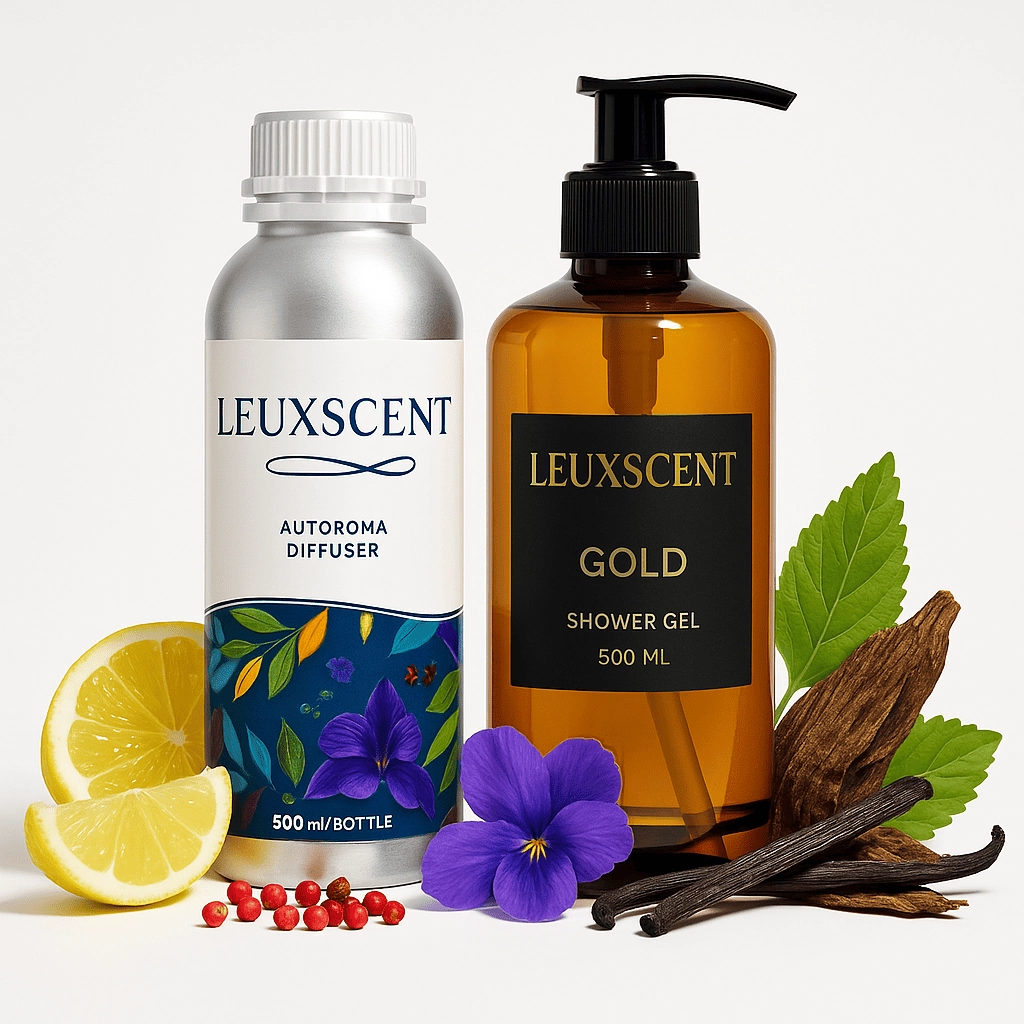
Wholesale Perfume Oil OEM Private Label Distributor Ready House Blend Retail Ready Designer Perfume Oil
Wholesale Perfume Oil OEM Private Label Distributor Ready House Blend Retail Ready Designer Perfume Oil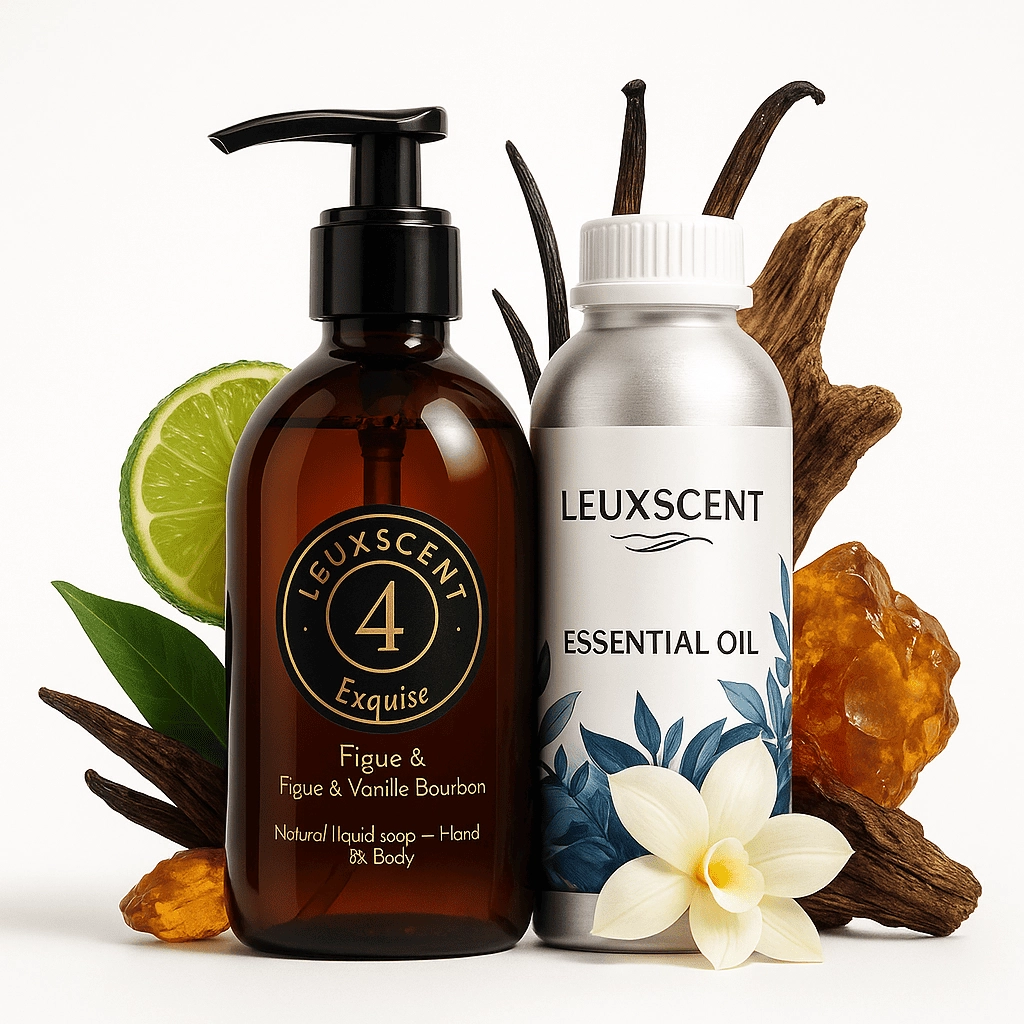
Wholesale Perfume Oil OEM Private Label Custom Filling Manufacturer Supply IFRA Compliant Designer Perfume Oil
Wholesale Perfume Oil OEM Private Label Custom Filling Manufacturer Supply IFRA Compliant Designer Perfume OilEmpowering Global Brands with Scent – LEUXSCENT, Your Expert Fragrance OEM Partner.
 Scan QR Code

Facebook
Instagram
LinkedIn
YouTube
Pinterest