
Perfume Essence Oils for Different Seasons and Moods
- Choosing the Right Fragrance for Seasons and Moods
- Why perfume essence oil selection matters for seasonality and mood
- How perfume essence oil structure affects seasonal performance
- Seasonal Guide: Best Perfume Essence Oil Families for Spring, Summer, Autumn, Winter
- Perfume essence oil families and seasonal fit
- How to adapt a single perfume essence oil across seasons
- Mood-Based Selection: Using Perfume Essence Oil to Influence Emotion and Performance
- Which perfume essence oil ingredients are linked to mood changes
- Evidence and responsible claims for perfume essence oil mood effects
- Practical Tips: Using and Formulating Perfume Essence Oil by Season and Mood
- Safe concentrations and product formats for perfume essence oil
- Blending tips: creating seasonal and mood accords with perfume essence oil
- Choosing Suppliers and Customization: OEM/ODM Options for Perfume Essence Oil
- Why supplier selection matters for perfume essence oil-based brands
- LEUXSCENT — OEM/ODM capabilities and why it matters
- LEUXSCENT advantages for perfume essence oil brands
- Supplier evaluation checklist for perfume essence oil procurement
- Practical Examples and Formulas (Seasonal / Mood Use-Cases)
- Sample accords using perfume essence oil (starter formulas)
- FAQ — Perfume Essence Oil for Seasons and Moods
- 1. What is the difference between perfume essence oil and essential oil?
- 2. How should I choose a perfume essence oil for summer versus winter?
- 3. Can perfume essence oil influence mood reliably?
- 4. Are there safety rules for using perfume essence oil on skin?
- 5. How can a brand scale seasonal or mood-led fragrance lines with limited budgets?
- 6. What should I ask a perfume essence oil supplier before signing an agreement?
- References
Choosing the Right Fragrance for Seasons and Moods
Why perfume essence oil selection matters for seasonality and mood
When a user searches for perfume essence oil they often want two things: a fragrance that fits a season and one that supports a desired mood (e.g., confidence, calm, energy). Perfume is both sensory art and applied chemistry: volatility, molecular profile, and concentration determine how an essence oil performs on skin, fabric, or in an interior. Understanding season-appropriate perfume essence oil families and mood-linked aromatic ingredients helps buyers and brands make repeatable choices that deliver consistent experience and regulatory safety.
How perfume essence oil structure affects seasonal performance
Perfume essence oils are mixtures of volatile aroma chemicals and natural extracts that present as top, heart (middle), and base notes. Top notes are light and evaporate fastest; they define the initial impression. Heart notes provide the body; base notes are heavier and provide longevity. Seasonality depends on volatility and perceived freshness or warmth: citrus and green accords read as light and uplifting—good for spring and summer—while woody, resinous or gourmand base notes read as warm and comforting—better for autumn and winter.
Seasonal Guide: Best Perfume Essence Oil Families for Spring, Summer, Autumn, Winter
Perfume essence oil families and seasonal fit
Below is a practical comparison of fragrance families, characteristic notes, and recommended use-cases by season. This table is intended to help consumers and product developers select or blend perfume essence oil accords that align with climate and mood expectations.
| Season | Recommended perfume essence oil families (keyword: perfume essence oil) | Typical notes / examples | Application tips |
|---|---|---|---|
| Spring | Citrus, Floral Green, Aquatic (perfume essence oil) | Bergamot, Neroli, Jasmine, Lily-of-the-valley, Cut grass | Use lighter concentrations (EDT), fresh florals and green modifiers for daytime wear |
| Summer | Citrus, Tropical Floral, Marine (perfume essence oil) | Lemon, Grapefruit, Coconut, Frangipani, Sea breeze accords | Lower concentration, emphasize top notes; consider alcohol or water-based delivery |
| Autumn | Amber, Spicy Oriental, Woody (perfume essence oil) | Cinnamon, Clove, Patchouli, Benzoin, Vetiver | Increase base note percentage for warmth and longevity; good for evening wear |
| Winter | Resinous, Gourmand, Deep Woody (perfume essence oil) | Vanilla, Tonka, Oud, Sandalwood, Myrrh | Higher concentration (EDP or Parfum); layer with creams for lasting effect |
How to adapt a single perfume essence oil across seasons
You can adapt one signature perfume essence oil by changing concentration, delivery format, or supporting accords: dilute a heavy oriental base with sparkling citrus top notes for warm months, or add resinous base boosters (vanillin, benzoin) for cold weather. For brands, offering seasonal flankers—same DNA with seasonal modifiers—is a proven commercial strategy.
Mood-Based Selection: Using Perfume Essence Oil to Influence Emotion and Performance
Which perfume essence oil ingredients are linked to mood changes
Aromachology research shows certain essential oil constituents correlate with subjective mood changes. While individual response varies, consistent findings support some ingredient-effect relationships:
- Lavender (linalool, linalyl acetate): calming, anxiolytic effects in multiple human studies.
- Citrus (limonene, linalool): uplifting, energizing, and mood-brightening effects.
- Peppermint/menthol: increased alertness and perceived cognitive performance in short-term studies.
- Rose/geranium (phenyl ethyl alcohol, geraniol): associated with relaxation and feelings of comfort.
These relationships are useful for designing fragrance lines that address mood use-cases—sleep aids, focus sprays, calming roll-ons—provided claims stay within evidence-based, non-therapeutic language.
Evidence and responsible claims for perfume essence oil mood effects
Clinical and laboratory studies (see references) support short-term mood changes after inhalation of specific essential oils. Brands should avoid medical claims (e.g., treats anxiety) unless supported by clinical trials and regulatory approvals. Instead, use consumer-focused language: promotes relaxation or uplifting scent profile and cite sensory testing or consumer panels when available.
Practical Tips: Using and Formulating Perfume Essence Oil by Season and Mood
Safe concentrations and product formats for perfume essence oil
Different product forms require different perfume essence oil concentrations. Below are typical concentration ranges used in perfumery and product development; use IFRA guidance for ingredient limits and skin-safety testing to set final formulas.
| Product Type | Typical fragrance concentration (approx.) | Notes |
|---|---|---|
| Parfum / Extrait | 15–30% | Highest longevity; ideal for winter or evening signature scents |
| Eau de Parfum (EDP) | 8–15% | Balanced wear for daily to evening use |
| Eau de Toilette (EDT) | 4–8% | Light and breezy; ideal for spring and summer |
| Eau de Cologne | 2–4% | Delicate top-note focused; good for quick refreshers |
| Room sprays / Diffusers | 0.5–4% (differs by device) | Adjust concentration for room size and device output |
| Personal care (lotions, creams) | 0.1–3% (formula-dependent) | Follow skin-safety and stability testing |
References for concentration ranges and safety: industry guidelines (IFRA) and perfumery references. For any skin-applied product, perform patch tests and adhere to IFRA-restricted ingredient concentrations.
Blending tips: creating seasonal and mood accords with perfume essence oil
1) Start with a clear brief: season, target mood, wear-time, and target demographic. 2) Choose a dominant accord (citrus, floral, woody) and build supporting notes to modulate freshness or warmth. 3) Test volatility profile on blotters and skin across time. 4) For mass-market products, simplify top notes for instant appeal and ensure base notes provide consistent dry-down. 5) Use naturals and synthetics in combination: synthetics increase stability and ethical consistency, while naturals contribute complexity.
Choosing Suppliers and Customization: OEM/ODM Options for Perfume Essence Oil
Why supplier selection matters for perfume essence oil-based brands
Choosing the right fragrance supplier affects formula stability, regulatory compliance, lead times, and the ability to scale. Brands seeking to launch seasonal collections or mood-based lines should prioritize suppliers with R&D depth, regulatory expertise (IFRA, REACH, local cosmetic regulations), and flexible OEM/ODM processes that support iterative consumer testing.
LEUXSCENT — OEM/ODM capabilities and why it matters
LEUXSCENT is a global fragrance and flavor manufacturer founded in 2003. As one of China's top ten enterprises in the fragrance industry, we integrate independent R&D, production, and global operations. Our two production bases in Guangzhou and Qingyuan, Guangdong Province, serve as hubs for innovation and quality manufacturing.
With 17 invention patents and over 10 national, provincial, and municipal innovation projects, we’ve built robust R&D capabilities, including the Guangzhou Municipal Enterprise Technology Center, Guangdong Engineering Technology Research Center, and an upcoming postdoctoral workshop.
At LEUXSCENT, we offer complete OEM/ODM solutions for fragrance and personal care products, helping brands launch or scale with tailored, compliant, and market-driven formulas. Our expertise spans food, seasonings, daily chemicals, and tobacco flavors, delivering high-quality, custom-crafted sensory experiences to clients worldwide.
LEUXSCENT advantages for perfume essence oil brands
Key differentiators: integrated R&D and manufacturing reduces development cycles; patent portfolio and innovation projects demonstrate technical depth; dual production bases in Guangdong offer capacity and geographic flexibility; full OEM/ODM services cover formula creation, stability testing, compliance, and packaging coordination. Core product categories include fragrance, perfume oil, essential oil, fragrance oil, aroma, and flavor fragrance—allowing brand owners to source across the sensory product spectrum with consistency and traceability.
Supplier evaluation checklist for perfume essence oil procurement
| Evaluation Criterion | What to ask / verify |
|---|---|
| R&D & Formulation Capability | Patent portfolio, in-house perfumers, stability and sensory labs |
| Regulatory Compliance | IFRA adherence, REACH support, MSDS, ingredient traceability |
| Production & Quality Control | ISO certifications, GMP, batch testing, supply chain transparency |
| Customization & MOQ | OEM/ODM flexibility, sampling policy, minimum order quantities |
| Commercial Support | Co-branding, marketing support, seasonal flankers capability, lead times |
Practical Examples and Formulas (Seasonal / Mood Use-Cases)
Sample accords using perfume essence oil (starter formulas)
Below are simplified starter accords (percentages by weight of total fragrance concentrate) that developers can adapt. These are conceptual templates—not finished formulas—and should be tested for stability and IFRA compliance.
- Spring Fresh (EDT concentrate 6–8%): Bergamot 25%, Neroli 20%, Green accord 15%, Jasmine 15%, Cedarwood 10%, Musk/soft base 15%.
- Summer Lift (eau/cologne concentrate 3–5%): Lemon 30%, Grapefruit 25%, Coconut/fruit accord 15%, Marine accord 15%, Light musk 15%.
- Autumn Warm (EDP concentrate 10%): Cinnamon/spice 20%, Patchouli 20%, Amber/benzoin 25%, Orange zest 10%, Sandalwood 25%.
- Winter Comfort (Parfum concentrate 18%): Vanilla 30%, Tonka absolute 20%, Oud or deep wood 25%, Warm resin 15%, Floral lift 10%.
FAQ — Perfume Essence Oil for Seasons and Moods
1. What is the difference between perfume essence oil and essential oil?
Perfume essence oil is a formulated blend of aroma materials (synthetics and naturals) designed for fragrance performance. Essential oils are single-ingredient extracts obtained from plants (steam distillation, expression). Perfume essence oils are tuned for longevity, stability, and sensory effect; essential oils are raw materials often used inside those formulations.
2. How should I choose a perfume essence oil for summer versus winter?
Choose lighter, high-volatility citrus or aquatic accords for summer and denser resinous, woody, or gourmand accords for winter. Also adjust concentration—lower in summer (EDT) and higher in winter (EDP/Parfum).
3. Can perfume essence oil influence mood reliably?
Certain aroma molecules have reproducible short-term effects (e.g., lavender tends to be calming, citrus uplifting). Individual responses vary; use sensory panels and consumer testing to validate claims for your target audience.
4. Are there safety rules for using perfume essence oil on skin?
Yes. Follow IFRA guidance for ingredient limits, perform patch tests, and conduct stability and preservative efficacy testing where applicable. Adjust concentrations based on product type and local cosmetics regulations.
5. How can a brand scale seasonal or mood-led fragrance lines with limited budgets?
Use a core fragrance DNA and create flankers by adding seasonal modifiers (citrus top notes for summer, resin boosters for winter). Work with an OEM/ODM partner that offers flexible MOQs and rapid prototyping to reduce upfront costs.
6. What should I ask a perfume essence oil supplier before signing an agreement?
Request sample panels, stability data, IFRA compliance statements, MSDS, batch traceability, lead times, pricing tiers, and references. Confirm their OEM/ODM experience with seasonal launches and regulatory support.
If you’d like tailored formulas, seasonal flankers, or compliant OEM/ODM solutions for perfume essence oil-based products, contact LEUXSCENT for consultation and product samples. Explore our product portfolio and request a quote to accelerate your fragrance launch.
Exploring perfume essence oils based on seasons and moods helps you choose scents that feel harmonious and emotionally aligned. After selecting the right fragrance for different times of the year, it’s important to learn how to store your oils properly to retain their quality. Continue with Storing Perfume Essence Oils: Shelf Life Tips.
References
- International Fragrance Association (IFRA) — official site for fragrance safety and standards. https://ifrafragrance.org/ (accessed 2025-11-24).
- Wikipedia — Perfume (overview of concentration categories and perfumery basics). https://en.wikipedia.org/wiki/Perfume (accessed 2025-11-24).
- Koulivand, P. H., Khaleghi Ghadiri, M., & Gorji, A. (2013). Lavender and the nervous system. Evidence-Based Complementary and Alternative Medicine. https://www.ncbi.nlm.nih.gov/pmc/articles/PMC3612440/ (accessed 2025-11-24).
- Moss, M., Cook, J., Wesnes, K., & Duckett, P. (2003). Aromas of rosemary and lavender essential oils: their effects on cognition and mood in healthy adults. (PubMed). https://pubmed.ncbi.nlm.nih.gov/12576436/ (accessed 2025-11-24).
- Grand View Research — Fragrance Market Overview. https://www.grandviewresearch.com/industry-analysis/fragrance-market (accessed 2025-11-24).
Contact LEUXSCENT to discuss product development, custom fragrance formulation, stability testing, and compliant manufacturing solutions tailored to seasonal and mood-driven product lines.
Storing Perfume Essence Oils: Shelf Life Tips
How to choose fragrance oils for sensitive skin
Wholesale Buying Guide for Perfume Essence Oil Suppliers
Natural vs Synthetic Perfume Oil: Pros and Cons
White Label Production
Can I customize the logo and packaging?
Limited customization available—standard packaging designs with optional logo placement and standard color adjustments.
Wholesale
What is the production cycle for bulk orders?
Typically 15-30 days, depending on order size and customization requirements.
Does the factory support on-site audits and third-party inspections?
Yes, Leuxscent welcomes client audits and supports third-party inspections.
FAQs
How can I contact your sales team?
You can reach us via [email/phone/contact form] or visit the "Contact Us" page on our website.
OEM
Can you develop inspired-by references? How close can it be?
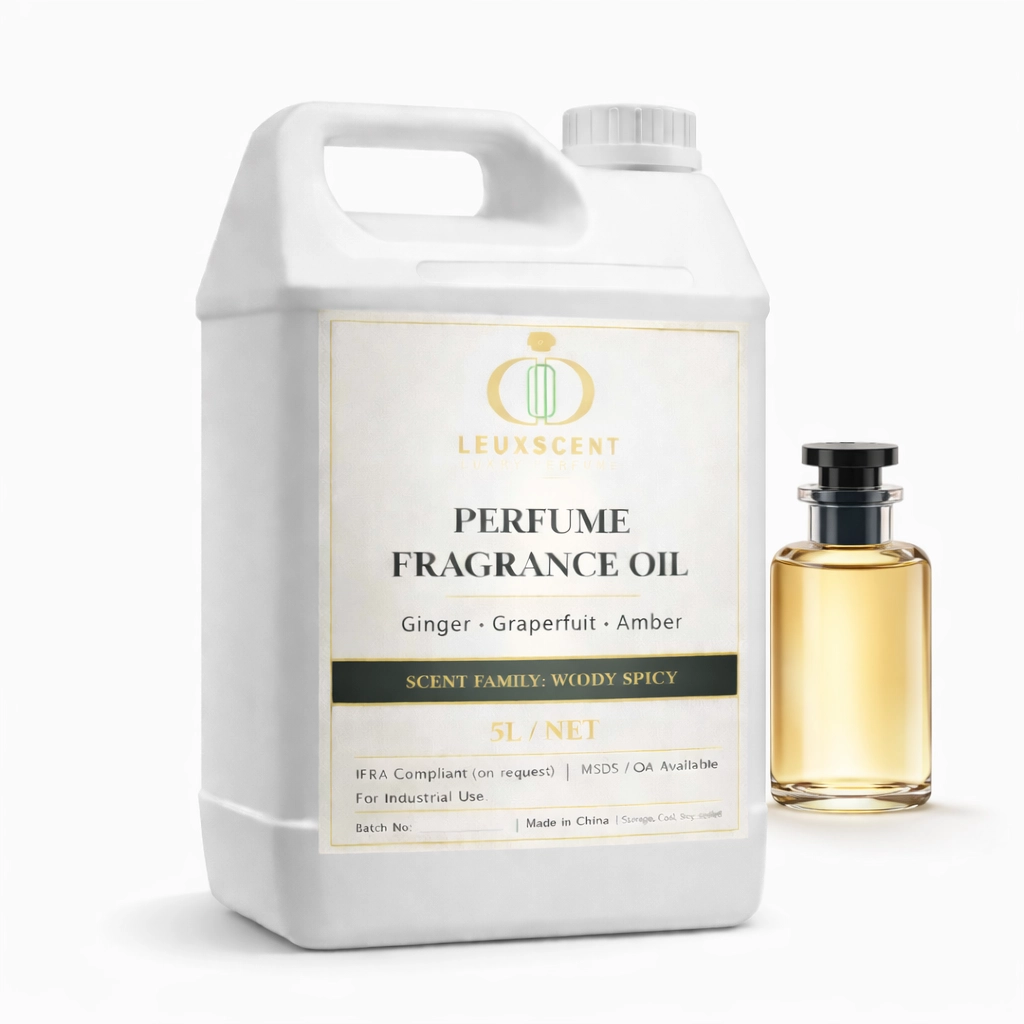
Perfume Fragrance Oil OEM Private Label Refill Program IFRA Compliant Manufacturer Supply Designer Perfume Oil
Perfume Fragrance Oil OEM Private Label Refill Program IFRA Compliant Manufacturer Supply Designer Perfume Oil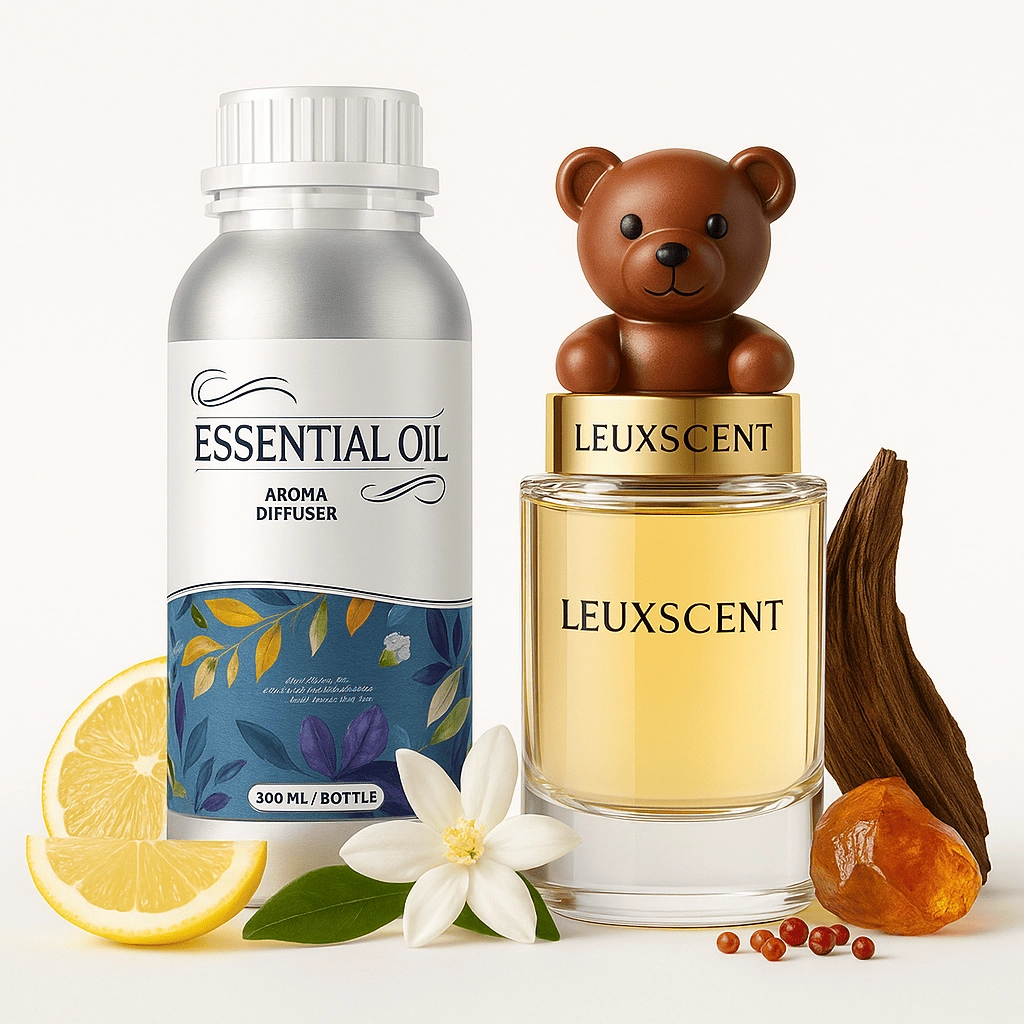
Perfume Fragrance Oil OEM Private Label Retail Ready Documentation Provided Manufacturer Supply Designer Perfume Oil
Perfume Fragrance Oil OEM Private Label Retail Ready Documentation Provided Manufacturer Supply Designer Perfume Oil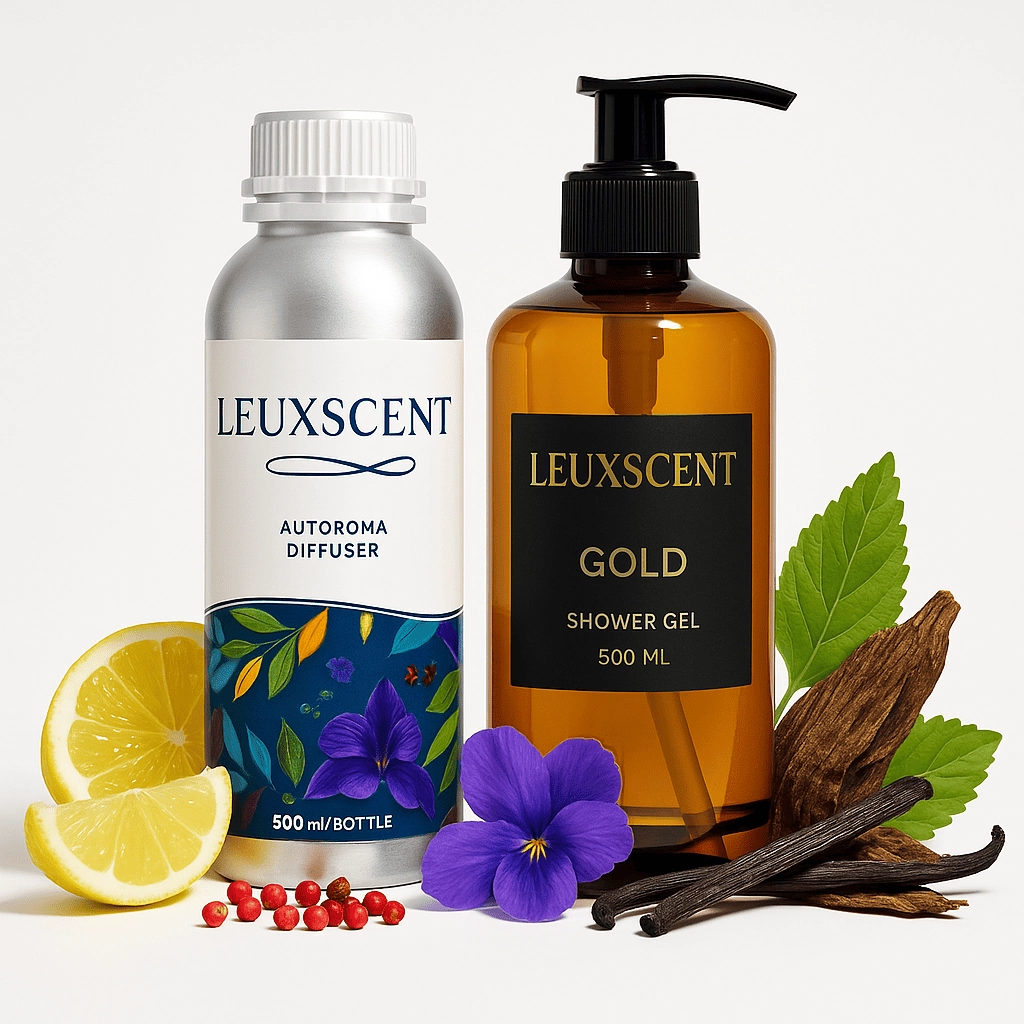
Wholesale Perfume Oil OEM Private Label Distributor Ready House Blend Retail Ready Designer Perfume Oil
Wholesale Perfume Oil OEM Private Label Distributor Ready House Blend Retail Ready Designer Perfume Oil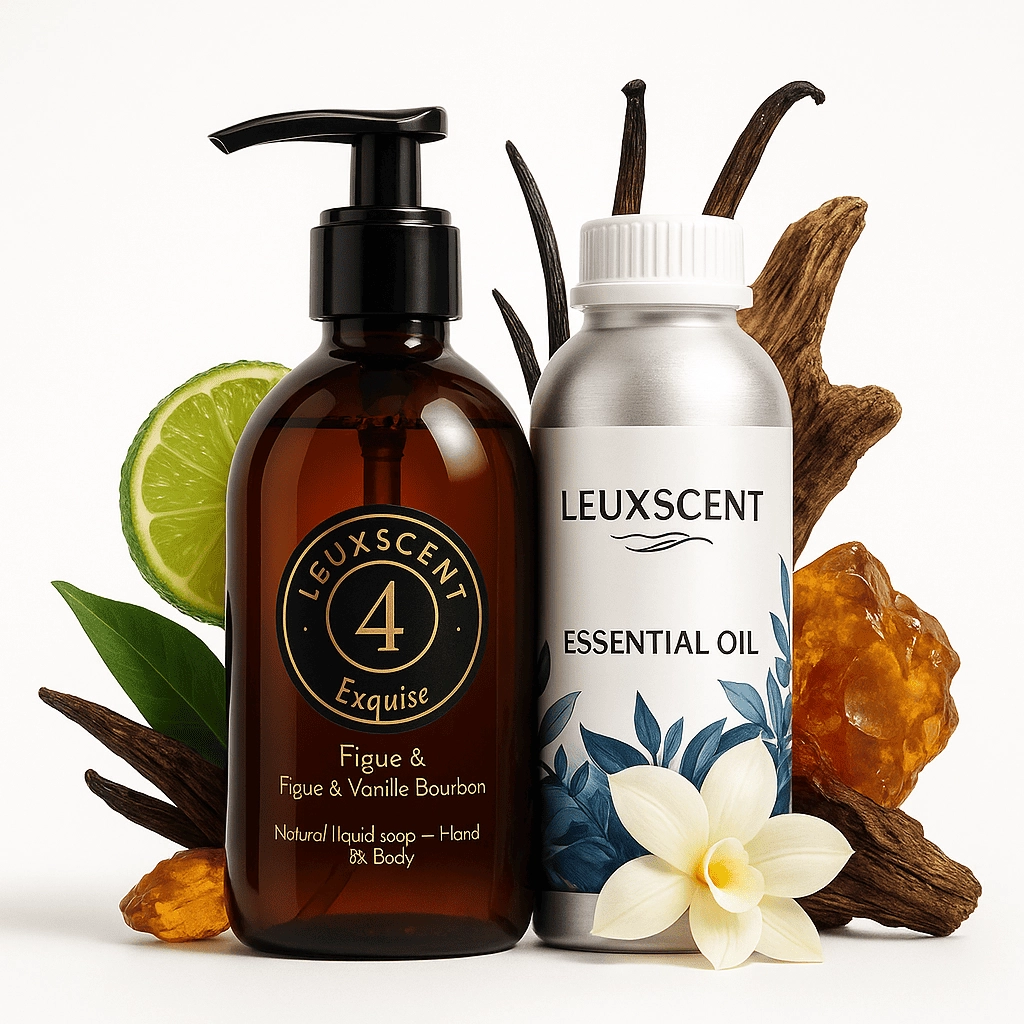
Wholesale Perfume Oil OEM Private Label Custom Filling Manufacturer Supply IFRA Compliant Designer Perfume Oil
Wholesale Perfume Oil OEM Private Label Custom Filling Manufacturer Supply IFRA Compliant Designer Perfume OilEmpowering Global Brands with Scent – LEUXSCENT, Your Expert Fragrance OEM Partner.
 Scan QR Code

Facebook
Instagram
LinkedIn
YouTube
Pinterest