
Fragrance Oil vs. Perfume: Your Definitive Guide to Scent Types, Longevity & Application in 2026
- What Defines a Fragrance? The Basics of Scent Composition
- What is Perfume? Understanding Alcohol-Based Fragrances
- Common Types and Concentrations
- What are Fragrance Oils? Beyond Personal Wear
- LEUXSCENT's Expertise in Functional Fragrance
- What are Perfume Oils? The Art of Alcohol-Free Personal Fragrance
- Fragrance Oil vs. Perfume vs. Perfume Oil: A Side-by-Side Comparison
- Essential Oils: The Natural Alternative
- Choosing Your Signature Scent: Which Fragrance Type is Right for You?
- Exploring Custom Solutions
- The Future of Fragrance: Customization and Innovation
- Conclusion
- FAQ
- Can fragrance oil be used directly on the skin like perfume?
- Which lasts longer: perfume or perfume oil?
- Are fragrance oils the same as essential oils?
- Why do some perfumes contain alcohol?
- How should I apply perfume oil for the best scent experience?
- Is perfume oil more concentrated than Eau de Parfum?
- References
- Perfume typically contains fragrance oils, alcohol, and water, offering varying concentrations (Parfum, EDP, EDT) and sillage.
- Fragrance oils, in common usage, are often synthetic blends primarily for non-personal use like candles, diffusers, or home products, and are generally not skin-safe.
- Perfume oils are alcohol-free, highly concentrated blends of aromatic compounds in a carrier oil base, designed for personal skin application with intimate, long-lasting scent.
- Essential oils are natural plant extracts with therapeutic properties, distinct from synthetic fragrance oils and complex perfume blends.
- Choosing between fragrance types depends on desired fragrance longevity factors, sillage, application method, skin sensitivity, and intended use (personal wear vs. home/products).
-
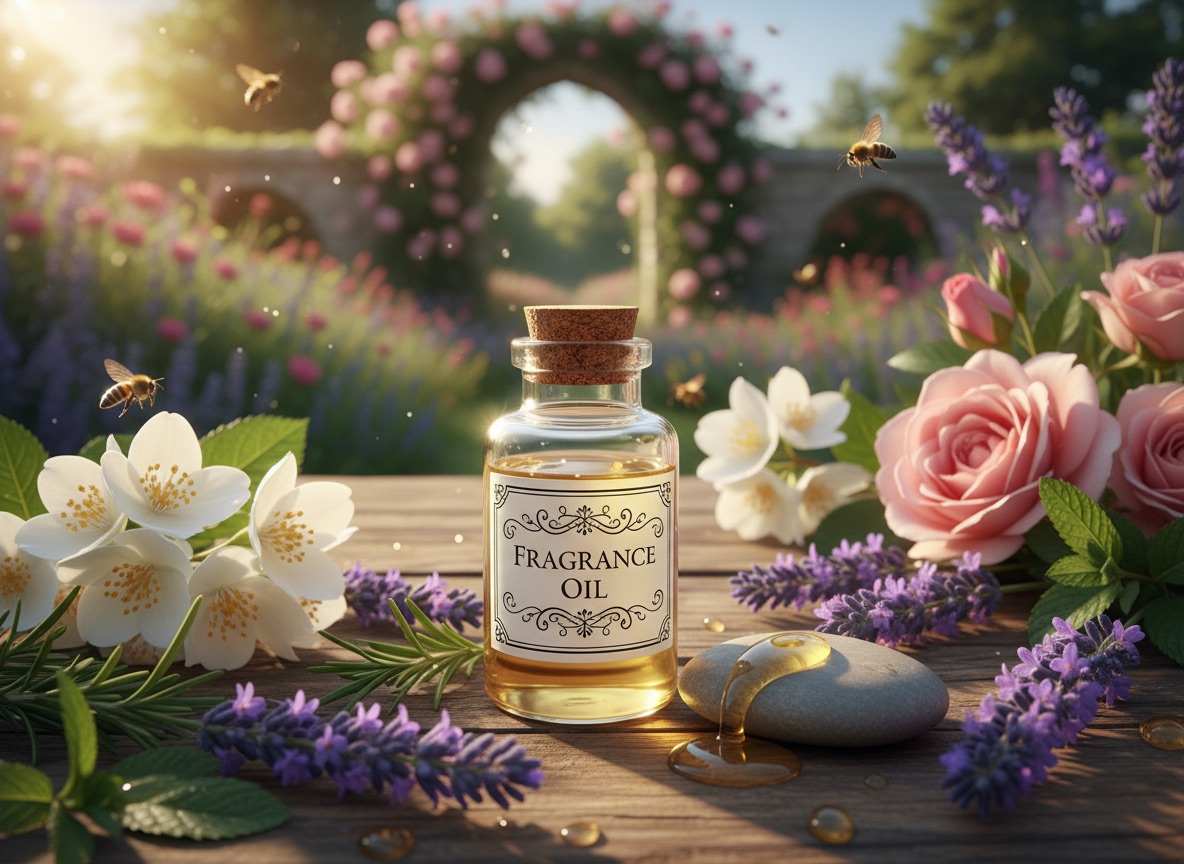
What Defines a Fragrance? The Basics of Scent Composition
A fragrance is a complex mixture of aromatic materials, solvents, and fixatives designed to emit a pleasant odor. The interaction between these elements determines the scent's strength and lifespan.
To understand the nuances of perfume oil vs fragrance oil for skin, we must first look at the basic architecture of a scent. According to Wikipedia, a perfume is defined as a mixture of fragrant essential oils or aroma compounds, fixatives, and solvents. These mixtures are designed to impart a pleasant scent to the human body, objects, or living spaces.
- Defining fragrance: It is a sophisticated blend of aromatic compounds—either natural or synthetic—crafted to produce a specific olfactory experience.
- Key components:
- Aromatic materials: These can be essential oils, absolutes, or synthetic molecules.
- Solvent: The medium that carries the scent (typically alcohol, oil, or water).
- Fixatives: Ingredients used to equalize the vapor pressure and thus the volatility of the raw materials.
- Concentration's impact: Scent concentration explained is simple: the higher the ratio of aromatic compounds to the solvent, the stronger and longer-lasting the fragrance generally is.
What is Perfume? Understanding Alcohol-Based Fragrances
Perfume is an alcohol-based liquid fragrance designed for broad scent projection. The alcohol acts as a solvent that evaporates quickly, dispersing scent notes into the air.
When most people think of "fragrance," they are picturing alcohol-based perfumes. As noted by Jasmine Perfumes, alcohol-based perfumes utilize ethanol as the primary solvent. This alcohol dissolves fragrance oils and facilitates even scent dispersion. Its rapid evaporation upon application creates a strong, immediate scent, quickly dispersing the fragrance's top notes.
Common Types and Concentrations
- Parfum (Extrait de Parfum): 20-40% fragrance concentration. The longest-lasting alcohol-based option (6-8+ hours).
- Eau de Parfum (EDP): 15-20% fragrance concentration. A standard for daily wear, lasting 4-6 hours.
- Eau de Toilette (EDT): 5-15% fragrance concentration. Lighter, lasting 2-4 hours.
- Eau de Cologne (EDC): 2-4% fragrance concentration. Very light, lasts 1-2 hours.
- Eau Fraiche: 1-3% fragrance concentration. The most diluted form.
Role of Alcohol: The alcohol in these products serves a functional purpose. It creates a "lift," projecting the scent away from the body (sillage). However, as highlighted by Nedstar, alcohol-based perfumes can be drying, especially for sensitive skin, whereas oils are generally gentler.
What are Fragrance Oils? Beyond Personal Wear
Fragrance oils are often synthetic or semi-synthetic aroma blends designed primarily for functional products like candles and soaps, rather than direct skin application.
It is crucial not to confuse "fragrance oils" (often used in crafts) with "perfume oils" (used on skin). According to Stockfragrance.com, fragrance oils (also called aroma oils) consist of blended synthetic aroma compounds or natural essential oils diluted with a carrier like propylene glycol. Their complex composition can involve 30 to 100 individual ingredients.
- Composition: These are lab-created synthetic aroma chemicals, sometimes blended with natural compounds. They often lack the carrier oils necessary for skin safety.
- Primary Uses: Scenting candles, diffusers, laundry detergents, shampoos, and home fragrance products.
- Skin Safety: Many raw fragrance oils are not formulated for direct skin contact and can cause irritation or sensitization if not properly diluted or IFRA-compliant for skin use.
LEUXSCENT's Expertise in Functional Fragrance
As a leading global fragrance and flavor manufacturer, LEUXSCENT excels in providing custom-crafted fragrance oils for daily chemicals and a wide range of product applications. Founded in 2003, LEUXSCENT leverages 17 invention patents and robust R&D capabilities to ensure that functional fragrance oils meet strict compliance standards while delivering mass market appeal.
What are Perfume Oils? The Art of Alcohol-Free Personal Fragrance
Perfume oils are highly concentrated, alcohol-free blends of aromatic compounds suspended in a carrier oil, designed to sit close to the skin for long-lasting wear.
If you are looking for alcohol-free perfume benefits, perfume oils are the gold standard. Unlike alcohol sprays that evaporate off the skin, perfume oils form an oily layer that retains the scent. According to Nedstar, perfume oils tend to remain on the skin longer than alcohol-based perfumes, releasing a consistent fragrance throughout the day.
- Composition: Aromatic compounds + carrier oil (e.g., jojoba, fractionated coconut oil). Entirely alcohol-free.
- Longevity: typically 8+ hours. Because the oil traps the fragrance molecules, the evaporation rate is much slower.
- Sillage: Intimate. It creates a "scent bubble" rather than filling a room.
- Application: Dabbed directly onto pulse points (wrists, neck, behind ears).
- Benefits: Gentler on sensitive skin, often richer scent development, travel-friendly, and moisturizing.
LEUXSCENT offers high-quality perfume oil as a key product, leveraging its status as one of China's top ten enterprises in the fragrance industry to create custom, market-driven compositions for discerning brands.
Fragrance Oil vs. Perfume vs. Perfume Oil: A Side-by-Side Comparison
The choice between these three depends on whether you need personal fragrance (Perfume/Perfume Oil) or product scenting (Fragrance Oil), and your preference for projection versus longevity.
To help you decide, here is a breakdown of perfume oil vs fragrance oil for skin and standard perfumes:
| Feature | Perfume (Alcohol-Based) | Fragrance Oil (Functional) | Perfume Oil (Skin-Safe) |
|---|---|---|---|
| Composition | Fragrance + Alcohol + Water | Synthetics + Solvent (e.g., Propylene Glycol) | Fragrance + Carrier Oil |
| Concentration | Variable (2-40%) | Variable (High Conc.) | High (15-30%+) |
| Longevity | 1-8+ hours (High volatility) | Varies by application | 8+ hours (Low volatility) |
| Sillage | Strong / Diffusive | Varies by product | Intimate / Close to skin |
| Intended Use | Personal Fragrance | Home, Crafts, Detergents | Personal Fragrance |
| Skin Safety | Generally Safe (Drying) | Often NOT Skin-Safe | Safe (Moisturizing) |
| Cost | Wide Range | Generally Lower | Mid to High |
Homecourt.co notes that perfume oils are generally gentler and often moisturizing, while alcohol-based perfumes can be more drying.
Essential Oils: The Natural Alternative
Essential oils are pure, natural plant extracts used for aromatherapy, whereas fragrance oils are typically synthetic blends used for scent.
When discussing essential oil vs fragrance oil uses, the distinction is origin and purpose. Essential oils are harvested via steam distillation or cold pressing.
- What are Essential Oils? Highly concentrated plant extracts retaining the natural scent and therapeutic properties of their source.
- Key Differences:
- Origin: 100% natural vs. Lab-made (Fragrance Oils).
- Complexity: Essential oils contain the plant's natural chemical makeup, which can be volatile.
- Therapeutic: Used in aromatherapy for wellness.
- Uses: Aromatherapy, natural perfumery (must be diluted), and wellness applications.
Choosing Your Signature Scent: Which Fragrance Type is Right for You?
Select alcohol-based perfumes for projection and immediate impact, or perfume oils for longevity, skin sensitivity, and an intimate scent experience.
Knowing how to choose fragrance type requires analyzing your lifestyle:
- Consider your skin type: If you have dry or sensitive skin, alcohol perfumes may irritate. Perfume oils are a gentler, moisturizing alternative.
- Desired longevity and projection: Do you want to announce your presence (Perfume) or invite people in (Perfume Oil)?
- Lifestyle and occasion: Lighter sprays (EDT) work for the office; deeper perfume oils are great for long days or travel.
- Budget: While quality varies, perfume oils often offer high concentration for their price point.
Exploring Custom Solutions
For brands looking to enter this market, LEUXSCENT's complete OEM/ODM solutions empower businesses to launch or scale fragrance and personal care products. With expertise spanning food, daily chemicals, and fine fragrance, they offer custom fragrance solutions with tailored, compliant, and market-driven formulas.
The Future of Fragrance: Customization and Innovation
The industry is moving toward personalized scent experiences, sustainable sourcing, and hybrid formulations that blend natural and synthetic innovations.
- Emerging trends: Personalization, clean beauty, sustainable sourcing, and unique scent profiles.
- Advancements: New extraction methods are allowing for cleaner, more accurate scent replications.
- LEUXSCENT's Role: As one of China's top ten enterprises in the fragrance industry, LEUXSCENT integrates independent R&D with global operations. Their two production bases in Guangzhou and Qingyuan serve as hubs for innovation. With over 10 national and provincial innovation projects, they are at the forefront of delivering high-quality, custom-crafted sensory experiences to clients worldwide.
Conclusion
Understanding the distinct characteristics of fragrance oils, perfumes, and perfume oils is crucial for making informed scent choices. While perfumes offer diverse concentrations and widespread appeal, perfume oils provide an alcohol-free, long-lasting, and intimate alternative. Fragrance oils serve a vital role in scenting numerous products but are generally not for personal skin application. By recognizing these differences, consumers can select the perfect fragrance type to suit their preferences, lifestyle, and desired sensory experience.
FAQ
Can fragrance oil be used directly on the skin like perfume?
No. Generally, "fragrance oils" (in the context of synthetic blends for crafts/home) are not formulated or tested for direct skin application and can cause irritation. However, "perfume oils" (fragrance in a carrier oil) are specifically designed and safe for skin application.
Which lasts longer: perfume or perfume oil?
Perfume oils typically last longer. Because they use a carrier oil base, the evaporation rate is slower than alcohol-based perfumes. According to Nedstar, the oily layer retains the scent closer to the body for a consistent release.
Are fragrance oils the same as essential oils?
No. Essential oils are 100% natural extracts from plants with therapeutic properties. Fragrance oils are typically synthetic or semi-synthetic blends created in a lab, primarily for scenting products and usually without therapeutic benefits.
Why do some perfumes contain alcohol?
Alcohol acts as a solvent. It helps blend the fragrance compounds and, crucially, evaporates quickly. This rapid evaporation carries the scent notes into the air, allowing for wider sillage (projection) of the fragrance.
How should I apply perfume oil for the best scent experience?
Dab, don't rub. Apply a small amount of perfume oil directly to pulse points, such as wrists, neck, décolletage, and behind the ears. The warmth of these areas helps to gently diffuse the scent. Avoid rubbing, as this can break down the fragrance molecules.
Is perfume oil more concentrated than Eau de Parfum?
Yes, often. While Eau de Parfum (EDP) usually contains 15-20% fragrance, perfume oils can range from 15-30% or even higher, suspended in an oil base rather than diluted with alcohol and water.
References
Elevate Your Drive: The Definitive Guide to New Car Fragrance Air Fresheners for 2026 and Beyond
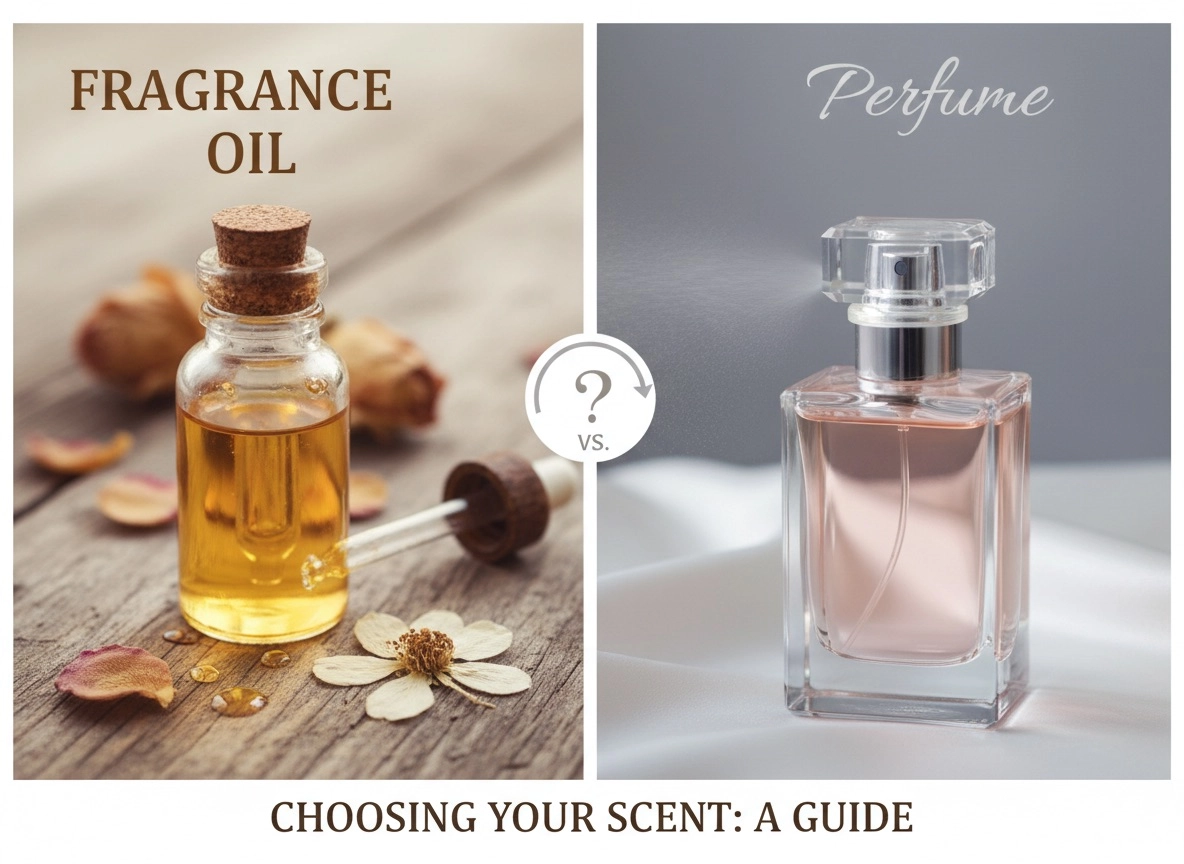
Fragrance Oil vs. Perfume: Your Definitive Guide to Scent Types, Longevity & Application in 2026
Fragrance Oil in Soap: The Definitive 2026 Guide to Scenting Your Creations Flawlessly
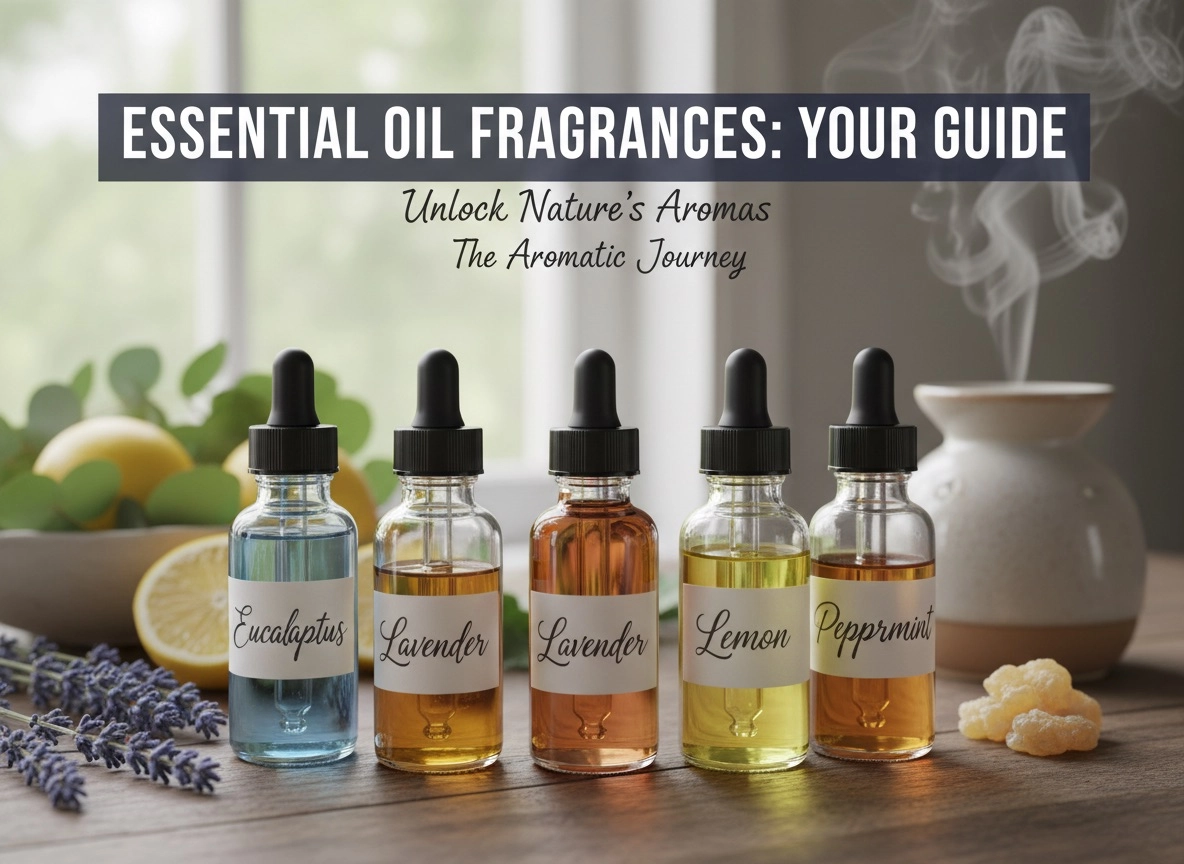
Top Essential Oils for Fragrance Lovers in 2026: Nature, Niche, and New Aromatic Trends
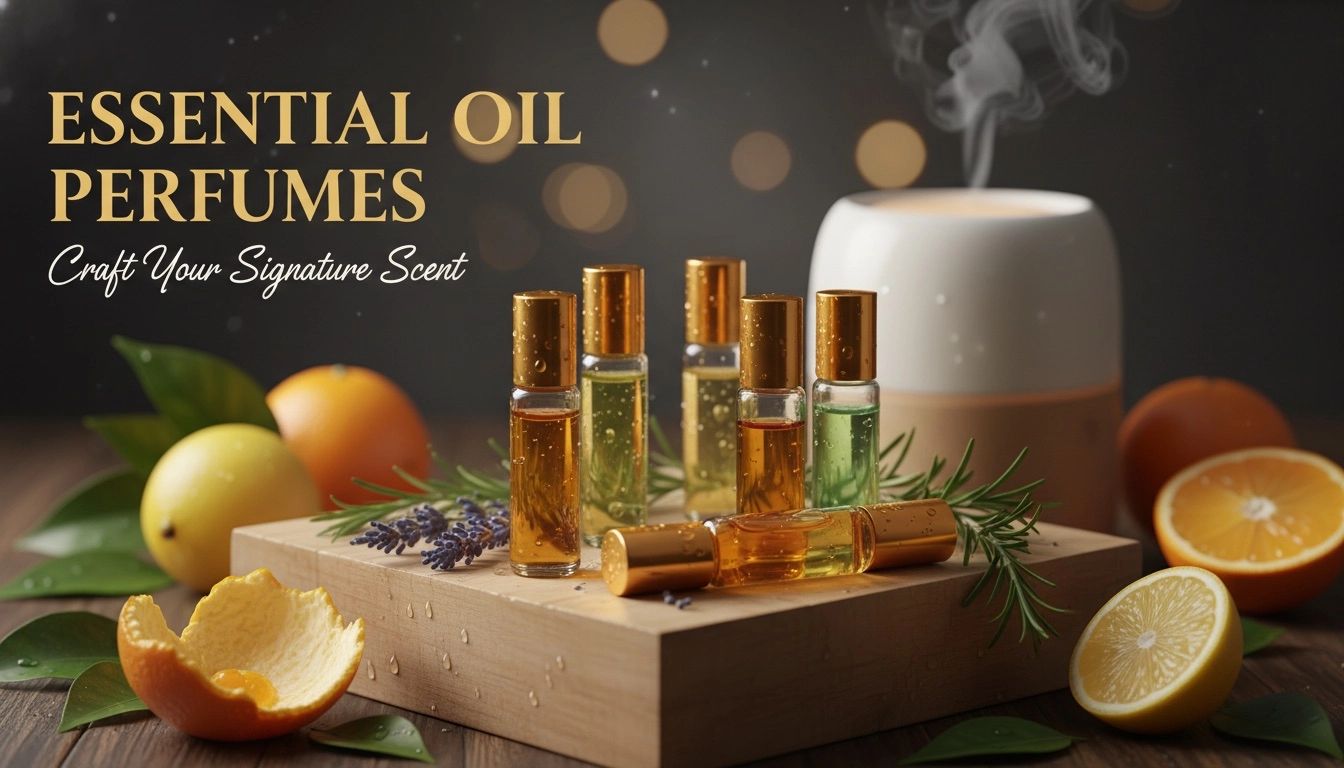
Mastering Essential Oil Perfume: Blends, Benefits, & Beyond for 2026
Alluring Lilac Spice – Inspired by Gucci Guilty Elixir
Alluring Lilac Spice – Inspired by Gucci Guilty Elixir
Twilight Bloom Perfume Oil | Bergamot & Cedarwood Floral Musk
Twilight Bloom Perfume Oil | Bergamot & Cedarwood Floral Musk
Mountain Milk Sheep Essential Oil – Gentle Creamy Milky Scent | Ideal for Nourishing Soap, Body Wash & Skincare Products
Mountain Milk Sheep Essential Oil – Gentle Creamy Milky Scent | Ideal for Nourishing Soap, Body Wash & Skincare Products
Perfume Fragrance Oil OEM Private Label Refill Program Consistent Quality Fast Lead Time Designer Perfume Oil
Perfume Fragrance Oil OEM Private Label Refill Program Consistent Quality Fast Lead Time Designer Perfume OilEmpowering Global Brands with Scent – LEUXSCENT, Your Expert Fragrance OEM Partner.
 Scan QR Code

Facebook
Instagram
LinkedIn
YouTube
Pinterest