
Top Essential Oils for Fragrance Lovers in 2026: Nature, Niche, and New Aromatic Trends
- Introduction: Unveiling the World of Essential Oil Fragrances
- What Exactly Are Essential Oil Fragrances?
- The Allure and Benefits: Beyond Just a Pleasant Scent
- Exploring Aromatic Families: A Comprehensive Guide to Essential Oil Fragrance Profiles
- The Science of Scent: Extraction, Composition, and LEUXSCENT's R&D Excellence
- Crafting Your Signature Aroma: The Art of Blending Essential Oil Fragrances
- Applications Beyond Perfumery: Versatile Uses for Essential Oil Fragrances
- Ensuring Quality and Authenticity: A Manufacturer's Perspective (LEUXSCENT Standards)
- Safety and Best Practices: Essential Guidelines for Using Essential Oil Fragrances
- The Future of Essential Oil Fragrances: Innovation and Sustainability with LEUXSCENT
- Frequently Asked Questions
- What is the primary difference between essential oil fragrances and synthetic fragrances?
- Are essential oil fragrances safe to apply directly to the skin?
- How can I tell if an essential oil fragrance is pure and high quality?
- What are 'fragrance notes' in essential oils and why are they important for blending?
- Can essential oil fragrances be used in DIY cleaning products?
- How does LEUXSCENT ensure the quality and authenticity of its essential oil fragrances?
- What are some common essential oil fragrance categories?
- Are there any essential oil fragrances to avoid during pregnancy?
- References
Introduction: Unveiling the World of Essential Oil Fragrances
In an era where synthetic substitutes saturate the market, the timeless appeal of natural fragrance oils is experiencing a renaissance. Fragrance lovers in 2026 are increasingly turning to the authenticity of nature, seeking scents that offer more than just a pleasant smell—they want an experience that resonates with their well-being and the environment. This comprehensive guide will take you on a deep dive into the world of essential oil fragrances, moving from the molecular science of extraction to the art of practical application.
Backed by over two decades of industry leadership, LEUXSCENT (Guangzhou Leuxscent Biotechnology Co., Ltd.) is at the forefront of this aromatic evolution. As one of China's top ten enterprises in the fragrance industry, founded in 2003, we understand that true quality lies in the marriage of nature and innovation. Whether you are a connoisseur looking to craft custom essential oil blends or a brand seeking OEM essential oil fragrances, understanding the fundamentals of these potent botanical extracts is the first step toward olfactory excellence.
What Exactly Are Essential Oil Fragrances?
To appreciate pure essential oil scents, one must understand their scientific definition. According to the International Organization for Standardization (ISO) and as described on Wikipedia, an essential oil is a concentrated hydrophobic liquid containing volatile chemical compounds from plants. Unlike synthetic perfumes, which are often derived from petroleum byproducts in a lab, essential oils capture the "essence" of the plant's fragrance and flavor.
These fragrant essential oils are complex mixtures of hundreds of individual aroma compounds—such as terpenes, esters, and aldehydes—that work synergistically. This chemical complexity is what gives natural oils their depth and therapeutic potential, setting them apart from the one-dimensional profile of many artificial scents. While a synthetic strawberry scent might rely on a single molecule like ethyl methylphenylglycidate, a natural rose oil involves a delicate balance of geraniol, citronellol, and hundreds of trace elements that no lab can perfectly replicate.
The Allure and Benefits: Beyond Just a Pleasant Scent
The primary distinction of aromatherapy fragrances lies in their ability to influence both the mind and body. The practice of aromatherapy utilizes these volatile plant materials to promote psychological and physical well-being. When inhaled, the scent molecules travel through the olfactory nerves directly to the brain's limbic system, the area responsible for emotions and memory.
· Enhancing Well-being: Research has shown that specific scents like lavender can reduce stress, while citrus oils like bergamot can improve focus and lift the mood.
· Personal Care: Beyond mood enhancement, these oils serve as functional ingredients in botanical perfumes, skincare, and hair products, offering antimicrobial and anti-inflammatory properties that synthetic fragrances lack.
Exploring Aromatic Families: A Comprehensive Guide to Essential Oil Fragrance Profiles
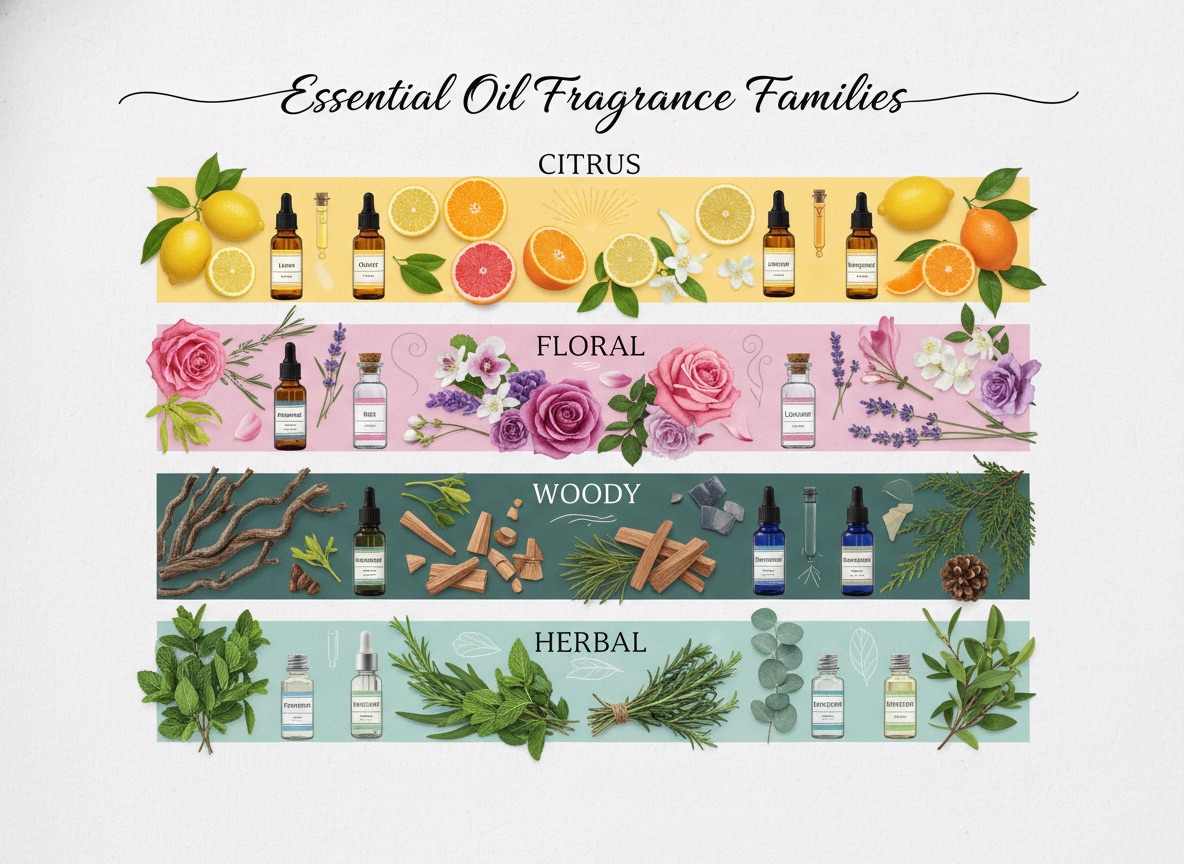
Navigating the vast world of essential oils requires a map. Perfumers and aromatherapists categorize these scents into families to understand how they interact. As detailed by AromaWeb, these families help in predicting the character of an oil:
· Floral: The most popular category, including Rose, Jasmine, and Ylang Ylang. These are often sweet, powdery, and romantic.
· Citrus: Light and invigorating oils like Bergamot, Lemon, and Grapefruit. They are volatile and evaporate quickly.
· Woody: Warm, grounding scents such as Sandalwood, Cedarwood, and Vetiver. They often form the base of a blend.
· Herbal: Fresh and green, including Rosemary, Basil, and Marjoram.
· Spicy: Intense and warming oils like Cinnamon, Clove, and Ginger.
· Minty: Sharp and cooling, typified by Peppermint and Spearmint.
· Resinous/Earthy: Deep, rich scents like Frankincense and Patchouli.
Understanding these families is crucial when creating essential oil blends, as it allows you to balance contrasting notes—for example, pairing a bright Citrus top note with a deep Woody base.
The Science of Scent: Extraction, Composition, and LEUXSCENT's R&D Excellence
The journey from plant to bottle involves precise scientific processes. The most common extraction methods include:
· Steam Distillation: Used for most herbs and flowers (e.g., Lavender, Peppermint).
· Cold Pressing: Primarily for citrus peels (e.g., Orange, Lemon) to preserve fresh top notes.
· Solvent Extraction: Used for delicate flowers like Jasmine to create absolutes.
At LEUXSCENT, we elevate these traditional methods through rigorous scientific innovation. Our two state-of-the-art production bases in Guangzhou and Qingyuan, Guangdong Province, serve as global hubs for manufacturing. We don't just extract; we innovate. With 17 invention patents and over 10 national and provincial innovation projects, we have built robust R&D capabilities. Our facilities include the Guangzhou Municipal Enterprise Technology Center and the Guangdong Engineering Technology Research Center, ensuring that every drop of oil maintains its maximum chemical integrity and aromatic potency.
Crafting Your Signature Aroma: The Art of Blending Essential Oil Fragrances
Creating a balanced perfume or diffuser blend requires understanding essential oil fragrance notes. As described by experts at The Mockingbird Apothecary, fragrance notes are classified by their volatility:
1. Top Notes (Head Notes): The first impression. These are light, fresh, and evaporate within 30 minutes. Examples: Lemon, Bergamot, Eucalyptus.
2. Middle Notes (Heart Notes): The core of the fragrance. They emerge as the top notes fade and last for hours. Examples: Lavender, Geranium, Rosemary.
3. Base Notes: The foundation. These rich, heavy scents last the longest and fix the fragrance to the skin. Examples: Cedarwood, Frankincense, Vanilla.
A classic blending ratio to start with is 30% Top notes, 50% Middle notes, and 20% Base notes. For instance, a "Wake Up" blend might combine 3 drops of Lemon (Top), 5 drops of Rosemary (Middle), and 2 drops of Cedarwood (Base).
Applications Beyond Perfumery: Versatile Uses for Essential Oil Fragrances
The versatility of these oils extends far beyond personal fragrance:
· Home Environment: Use diffusers or room sprays to purify the air and set the mood.
· Personal Care: Add oils to unscented lotions, soaps, or shampoos for a customized beauty routine.
· Industrial Applications: This is where LEUXSCENT essential oils shine. We offer complete OEM/ODM solutions for brands worldwide. Our expertise spans not just fine fragrance but also daily chemicals, food seasonings, and tobacco flavors. We help brands launch tailored, compliant, and market-driven formulas, ensuring that the custom essential oil blends used in a luxury candle or a natural detergent are stable, safe, and sensory-rich.
Ensuring Quality and Authenticity: A Manufacturer's Perspective (LEUXSCENT Standards)
In a market flooded with adulterated products, quality assurance is paramount. True quality is verified through Gas Chromatography-Mass Spectrometry (GC/MS) testing, which fingerprints the chemical composition of an oil.
LEUXSCENT's commitment to quality is absolute. Since 2003, we have integrated independent R&D with global operations to deliver uncompromised purity. Our production bases operate under strict quality controls, from raw material sourcing to the finished product. When brands partner with us for OEM essential oil fragrances, they leverage our manufacturing scale and our upcoming postdoctoral workshop to ensure their products meet the highest international standards.
Safety and Best Practices: Essential Guidelines for Using Essential Oil Fragrances
Natural does not always mean harmless. Essential oils are highly potent and must be used with respect. Organizations like the International Federation of Professional Aromatherapists (IFPA) and NAHA provide critical safety guidelines:
· Dilution: Never apply most essential oils directly to the skin. Dilute them in a carrier oil (like jojoba or almond oil) at a rate of 1-2% for general use. This equals about 6-12 drops of essential oil per ounce of carrier oil.
· Pregnancy: As noted by the IFPA, caution is required. Certain oils like Clary Sage, Rosemary, and Cinnamon should often be avoided or used under professional guidance during pregnancy.
· Patch Testing: Always apply a small amount of diluted oil to the inside of your arm and wait 24 hours to check for allergic reactions before widespread use.
· Storage: Keep oils in dark amber glass bottles, away from heat and sunlight, to prevent oxidation.
The Future of Essential Oil Fragrances: Innovation and Sustainability with LEUXSCENT
Looking ahead to 2026, the trends in natural fragrance are shifting toward sustainability and "mood-boosting" wellness. According to industry reports from Marie Claire and Global Growth Insights, consumers are demanding transparency and eco-friendly practices. We are seeing a rise in "Gourmand 2.0"—sophisticated, comforting scents—and functional fragrances designed to hack our emotional state.
LEUXSCENT is poised to lead this future. We are continuously exploring new extraction technologies and sustainable sourcing methods. Our vision is to pioneer new aroma experiences that align with these global trends, ensuring that we remain a partner of choice for brands seeking to innovate in the competitive fragrance and flavor industry.
Frequently Asked Questions
What is the primary difference between essential oil fragrances and synthetic fragrances?
Essential oil fragrances are derived directly from natural plant sources via distillation or expression, containing a complex array of natural chemical compounds that offer therapeutic benefits. Synthetic fragrances are created in laboratories, often using petroleum byproducts, to mimic natural scents. While synthetics can be stronger and longer-lasting, they lack the depth, complexity, and aromatherapy properties of natural oils.
Are essential oil fragrances safe to apply directly to the skin?
Generally, no. Most essential oil fragrances should be diluted with a carrier oil (like jojoba, coconut, or almond oil) before topical application to prevent skin irritation or sensitization. A safe dilution ratio is typically 1-2% for daily use. A patch test is always recommended. Some "hot" oils like cinnamon require extreme caution, while mild oils like lavender can occasionally be used neat in tiny amounts, though dilution is always the safer route.
How can I tell if an essential oil fragrance is pure and high quality?
Look for clear labeling that includes the botanical name (e.g., Lavandula angustifolia), country of origin, extraction method, and purity statements. Reputable manufacturers like LEUXSCENT rely on Gas Chromatography-Mass Spectrometry (GC/MS) testing to verify the chemical profile. Be cautious of cheap products labeled merely as "fragrance oil" or "perfume oil," as these often contain synthetic adulterants.
What are 'fragrance notes' in essential oils and why are they important for blending?
Fragrance notes describe the volatility and evaporation speed of a scent. They are categorized into three layers: Top notes (light, fast-evaporating, e.g., citrus), Middle notes (the heart of the scent, e.g., florals), and Base notes (rich, long-lasting, e.g., woods). Understanding these notes is critical for creating essential oil blends that are balanced and evolve beautifully over time rather than evaporating all at once.
Can essential oil fragrances be used in DIY cleaning products?
Yes, absolutely. Many essential oils, such as Lemon, Tea Tree, Eucalyptus, and Peppermint, possess natural antimicrobial, antifungal, and antiviral properties. They are excellent additions to homemade cleaning solutions, providing effective germ-fighting capabilities while leaving a fresh, natural aroma without the harsh chemical smell of commercial cleaners.
How does LEUXSCENT ensure the quality and authenticity of its essential oil fragrances?
LEUXSCENT ensures quality through a rigorous vertical integration strategy. Founded in 2003, we operate two major production bases in Guangzhou and Qingyuan and maintain advanced R&D centers, including the Guangzhou Municipal Enterprise Technology Center. We hold 17 invention patents and utilize strict quality control protocols from raw material sourcing to final production, ensuring every batch meets global standards for purity and efficacy.
What are some common essential oil fragrance categories?
Essential oils are typically categorized by their dominant scent characteristics to help with selection and blending. Common families include Floral (Rose, Jasmine), Citrus (Bergamot, Lime), Woody (Sandalwood, Cedar), Herbal (Rosemary, Basil), Spicy (Clove, Ginger), Minty (Peppermint), and Resinous/Earthy (Frankincense, Patchouli). Blending oils from different families (e.g., Citrus + Woody) often creates the most pleasing results.
Are there any essential oil fragrances to avoid during pregnancy?
Yes, certain essential oils are contraindicated during pregnancy due to their potential to stimulate uterine contractions or affect hormone levels. Common oils to avoid or use with extreme caution include Clary Sage, Rosemary, Jasmine, Cinnamon Bark, and Peppermint (especially in the first trimester). It is vital to consult with a healthcare professional or qualified aromatherapist and adhere to guidelines from organizations like the IFPA before using essential oils while pregnant.
References
Elevate Your Drive: The Definitive Guide to New Car Fragrance Air Fresheners for 2026 and Beyond
Fragrance Oil vs. Perfume: Your Definitive Guide to Scent Types, Longevity & Application in 2026
Fragrance Oil in Soap: The Definitive 2026 Guide to Scenting Your Creations Flawlessly
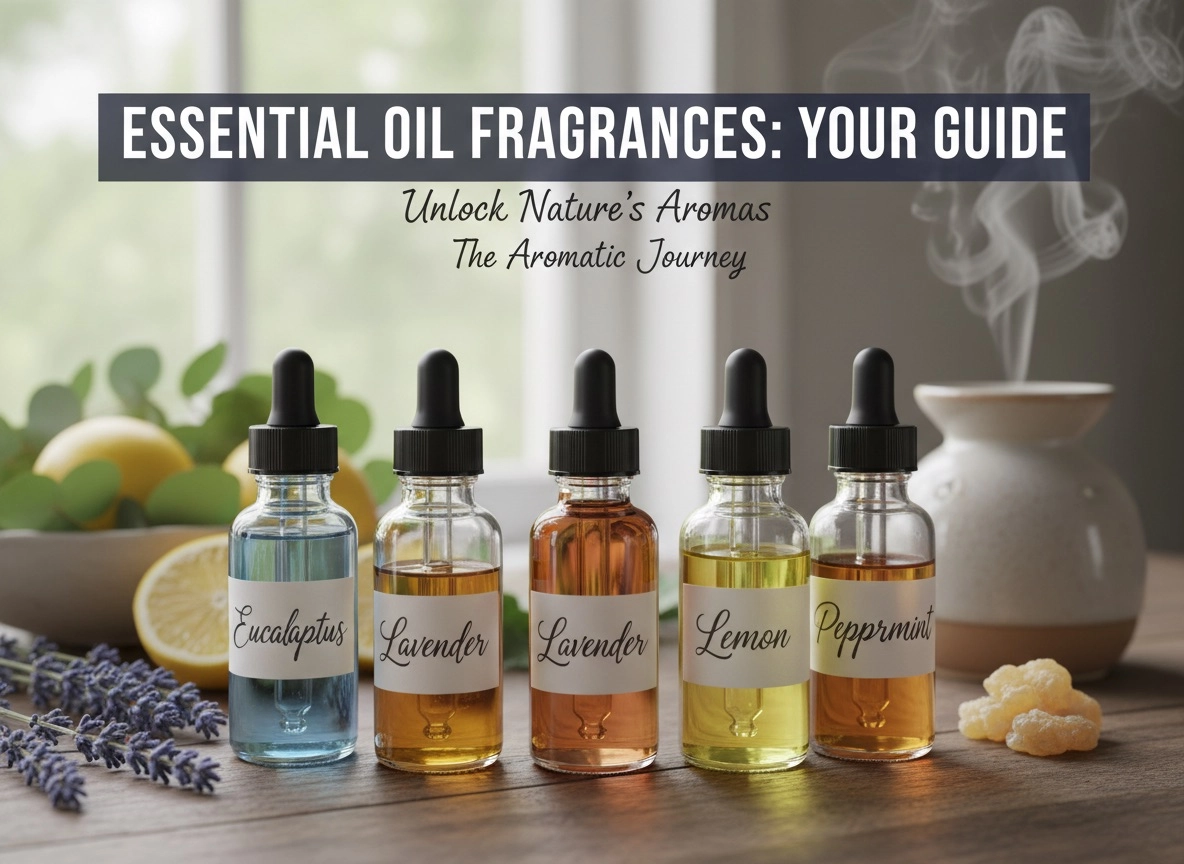
Top Essential Oils for Fragrance Lovers in 2026: Nature, Niche, and New Aromatic Trends
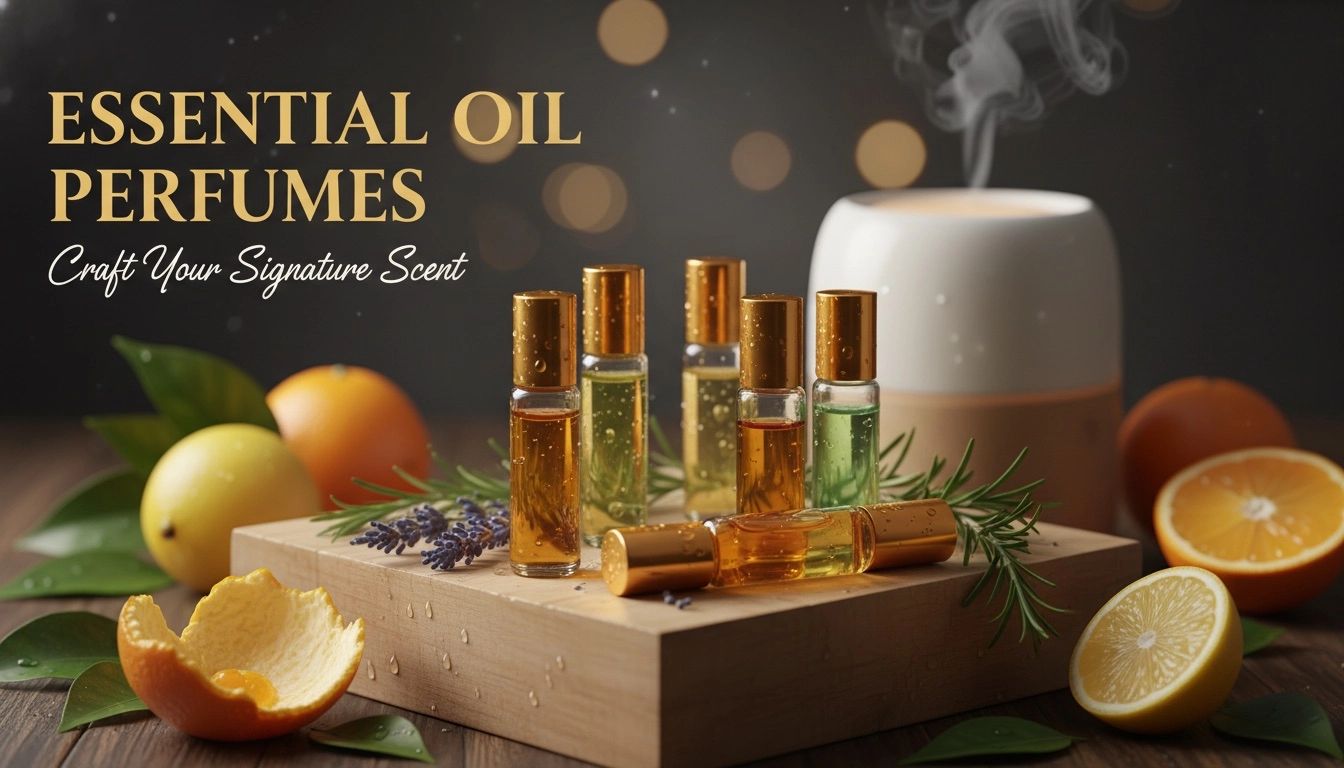
Mastering Essential Oil Perfume: Blends, Benefits, & Beyond for 2026
Lattaya Asad Type Fragrance Oil | Fresh Citrus Perfume Oil for Men
Lattaya Asad Type Fragrance Oil | Fresh Citrus Perfume Oil for Men
Red Roses Inspired Fragrance Oil for Scented Candles – Fresh Romantic Rose Floral Scent | Jo Malone Type Candle Supply
Red Roses Inspired Fragrance Oil for Scented Candles – Fresh Romantic Rose Floral Scent | Jo Malone Type Candle Supply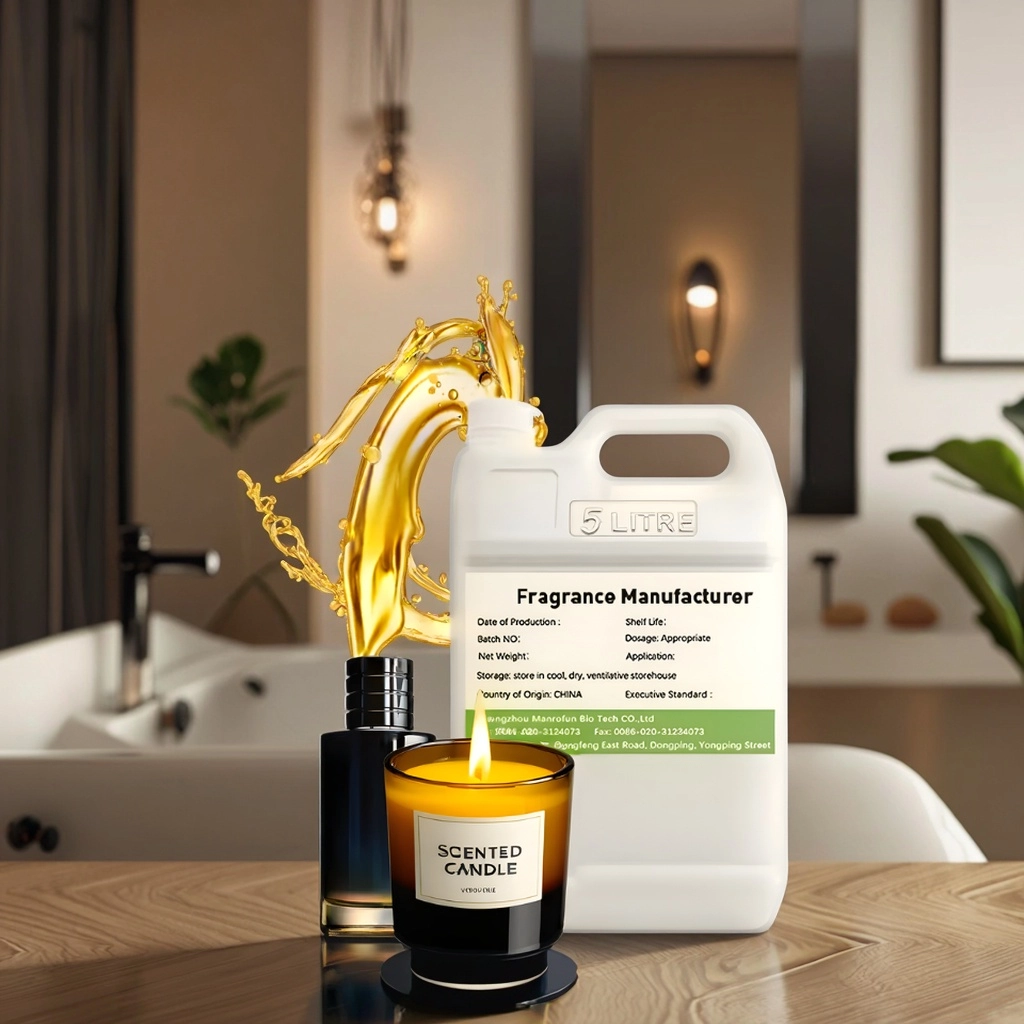
Sauvage Inspired Fragrance Oil for Scented Candles – Fresh Spicy Woody Masculine Scent | Dior Type Candle Supply
Sauvage Inspired Fragrance Oil for Scented Candles – Fresh Spicy Woody Masculine Scent | Dior Type Candle Supply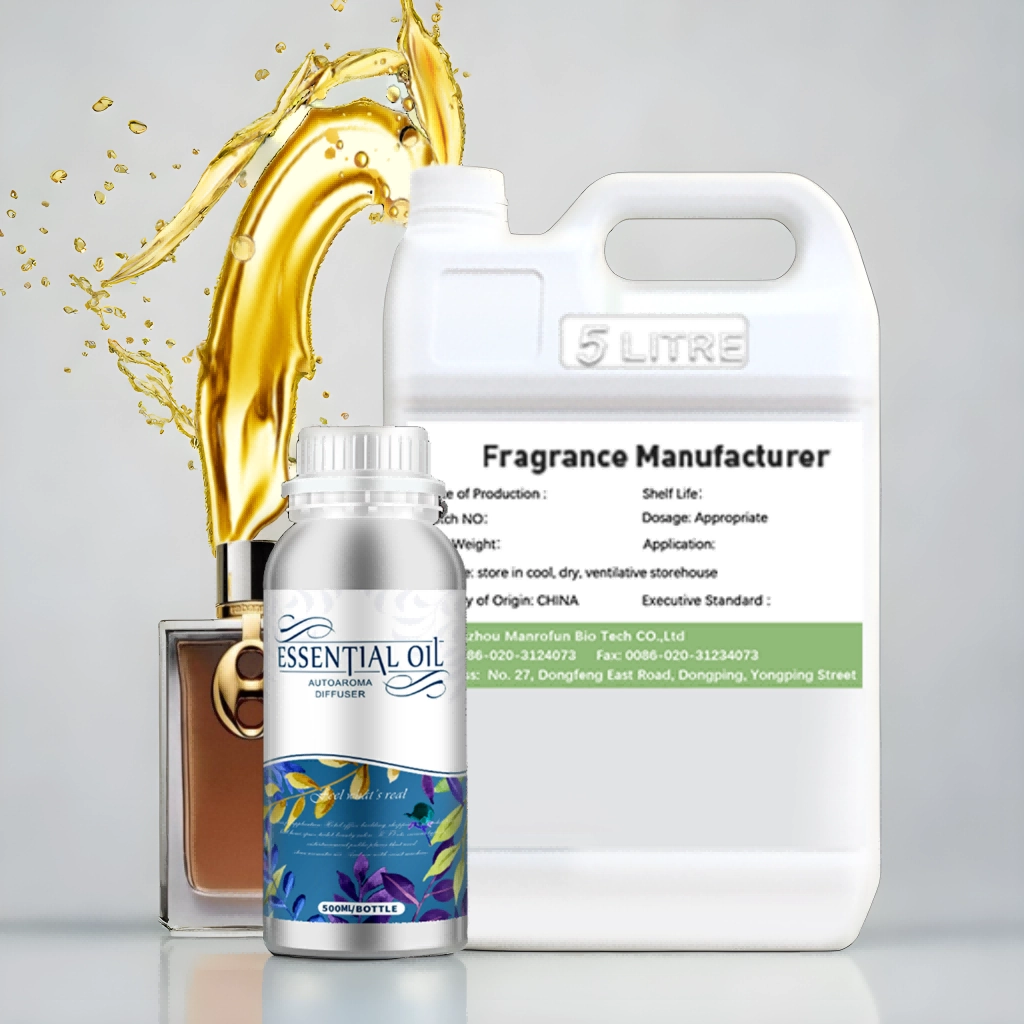
Silver Skin by Rabanne | Fresh Spicy Scent with Mint & Vanilla 2024
Silver Skin by Rabanne | Fresh Spicy Scent with Mint & Vanilla 2024Empowering Global Brands with Scent – LEUXSCENT, Your Expert Fragrance OEM Partner.
 Scan QR Code

Facebook
Instagram
LinkedIn
YouTube
Pinterest