
Perfume Essence Oil Fragrance Families Explained
- Understanding Fragrance Families: A Practical Guide
- What Is a Fragrance Family and Why It Matters for Perfume Essence Oil
- How Perfume Essence Oil Interacts with Top, Heart and Base Notes
- Practical formulation pointers for perfume essence oil
- Core Fragrance Families: Characteristics and Perfume Essence Oil Applications
- Concentration Guidance: How Much Perfume Essence Oil to Use
- Safety, Regulatory and Stability Considerations for Perfume Essence Oil
- Comparing Fragrance Families: Market Positioning and Buyer Intent for Perfume Essence Oil
- Formulation Case Studies: Designing a Perfume Essence Oil According to Family
- Choosing a Manufacturing Partner for Perfume Essence Oil: What to Look For
- LEUXSCENT: Capabilities for Brands Seeking Perfume Essence Oil OEM/ODM Solutions
- Practical Steps for Brands: From Brief to Shelf
- FAQ — Common Questions About Perfume Essence Oil and Fragrance Families
- 1. What is the difference between perfume essence oil and essential oil?
- 2. How do I choose a fragrance family for my brand's first perfume essence oil?
- 3. Are there restrictions on ingredients in perfume essence oil?
- 4. Can perfume essence oil be used in both water-based and oil-based products?
- 5. How long does a perfume essence oil prototype take to develop?
- 6. What price range should I expect for high-quality perfume essence oil?
- Contact and Next Steps — Get Custom Perfume Essence Oil Solutions
- References
Understanding Fragrance Families: A Practical Guide
Perfume formulation and marketing begin with one central concept: fragrance families. For anyone sourcing or developing perfume essence oil—whether a niche indie brand or a large personal-care manufacturer—understanding families clarifies formulation choices, target consumers, and application strategies. This article decodes the primary fragrance families, explains how perfume essence oil behaves in each, and offers actionable guidance for formulation, safety, and commercialization.
What Is a Fragrance Family and Why It Matters for Perfume Essence Oil
A fragrance family is a classification that groups perfumes by shared olfactory characteristics (dominant notes, accords, and atmospheres). For developers of perfume essence oil, families guide ingredient selection, concentration ranges, and intended product formats (e.g., parfum, eau de parfum, body oil). Using family-based design shortcuts product development cycles and aligns marketing with consumer expectations. The most widely referenced framework is Michael Edwards’ Fragrance Wheel, which broadly divides scents into families such as floral, oriental, woody, and fresh.
How Perfume Essence Oil Interacts with Top, Heart and Base Notes
Perfume essence oil is a concentrated blend of aromatic materials (natural isolates, essential oils, aroma chemicals). Understanding note structure—top (volatile), heart (middle), and base (long-lasting)—is essential when designing within a family. For example, a citrus family perfume essence oil relies heavily on top notes (bergamot, lemon) and light heart modifiers, whereas oriental families emphasize rich bases (vanilla, benzoin, oud) for longevity.
Practical formulation pointers for perfume essence oil
- Balance volatility: Use fixatives (e.g., musk bases, ambroxan) to anchor high-volatility citrus or floral accords.
- Solubility: Ensure aromatic compounds are fully soluble in the chosen carrier (ethanol, fractionated coconut oil, or dipropylene glycol) to avoid cloudiness.
- Regulatory check: Verify each raw material against IFRA standards and regional regulations before inclusion.
Core Fragrance Families: Characteristics and Perfume Essence Oil Applications
Below is a concise taxonomy of the main families with examples and formulation notes. This helps brands choose the right perfume essence oil profile for a product or target market.
| Fragrance Family | Typical Notes / Ingredients | Common Uses (products) | Perfume Essence Oil Considerations |
|---|---|---|---|
| Citrus / Fresh | Bergamot, lemon, orange, petitgrain, green notes | Eau de cologne, body sprays, summer EDT | High volatility—use light fixatives; stable in alcohol; excellent for summer markets |
| Floral | Rose, jasmine, ylang-ylang, tuberose, orange blossom | Perfume oils, EDP, lotions | Can be single-note (soliflores) or floral bouquets; manage oxidation of delicate naturals |
| Oriental / Amber | Vanilla, benzoin, resins, spices, labdanum | Parfum, body oils, luxe candles | Rich bases require high-quality fixatives to prevent flattening; often higher concentration |
| Woody | Sandalwood, cedarwood, vetiver, oud | Men’s extracts, beard oils, home fragrance | Long-lasting bases; oud and sandalwood are expensive—consider synthetics or blends |
| Chypre | Citrus top, labdanum/patchouli, oakmoss (historically) | Classic parfums, niche offerings | Oakmoss restrictions changed formulations; patchouli/labdanum combos are modern substitutes |
| Fougère | Lavender, coumarin, oakmoss-like bases, aromatic herbs | Classic men’s fragrances, aftershaves | Balancing lavender and coumarin is crucial for a signature fougère accord |
| Gourmand | Vanilla, caramel, chocolate, coffee | Youth fragrances, body mists, scented candles | Sweet accords can become cloying—use acidic or green counterpoints for freshness |
| Aromatic | Herbs: rosemary, sage, basil, aromatic spices | Masculine EDTs, aromatherapy blends | Works well in personal-care formats; often paired with woody bases for depth |
Concentration Guidance: How Much Perfume Essence Oil to Use
One key decision in product development is concentration. The same perfume essence oil will behave differently in 20% parfum vs 2% cologne. Typical industry concentration ranges (fragrance in finished product) are:
- Parfum (extrait): 15–30%
- Eau de Parfum (EDP): 8–15%
- Eau de Toilette (EDT): 5–10%
- Eau de Cologne: 2–5%
- Perfume oil (solvent-free / carrier oil-based): variable—often 10–50% in carrier oil
These ranges are widely referenced by perfumery authorities and manufacturers; choose higher concentrations for oriental and woody families where longevity is a selling point, and lower concentrations for citrus/fresh formats where immediacy matters (sources below).
Safety, Regulatory and Stability Considerations for Perfume Essence Oil
Safety and compliance are non-negotiable. Key considerations:
- IFRA Standards: Check each raw material against IFRA limits for usage and concentration by product type (leave-on vs rinse-off).
- Allergen Labeling: Many markets require declaration of 26 EU fragrance allergens above threshold concentrations.
- Stability Testing: Conduct heat, light, and microbial stability tests on finished products to ensure no color change, haze, or scent degradation.
- Natural vs Synthetic: Natural ingredients can vary batch-to-batch; synthetic aroma chemicals offer stability and cost predictability.
Working with a manufacturer who has regulatory and R&D capabilities reduces risk—especially for brands expanding internationally.
Comparing Fragrance Families: Market Positioning and Buyer Intent for Perfume Essence Oil
When building a product line, align family choice with consumer intent. Below table summarizes buyer expectations and commercial uses.
| Family | Typical Buyer Intent | Good Product Formats | Sales Seasonality |
|---|---|---|---|
| Citrus / Fresh | Refreshing, daytime, summer wear | EDT, body mist, roll-ons | Peak in spring/summer |
| Floral | Romantic, elegant, feminine | EDP, parfum, lotions | Year-round (specialty peaks during holidays/weddings) |
| Oriental / Amber | Luxury, evening wear, sensual | Parfum, body oil, solid perfume | Autumn/winter strength |
| Woody | Sophistication, mature olfactive profile | EDP, beard oils, candles | Year-round |
Formulation Case Studies: Designing a Perfume Essence Oil According to Family
Short, practical formulations to illustrate family thinking (percentages are of the fragrance portion, not final product):
- Citrus EDT accord: 50% bergamot, 20% lemon, 10% petitgrain, 10% hedione (for lift), 10% light fixative (ambrox or musky base).
- Oriental Parfum accord: 30% vanilla absolute, 20% labdanum, 15% benzoin, 10% spicy notes (cinnamon/clove), 25% rich woody fixative (sandal/oud accord).
- Floral EDP accord: 40% jasmine absolute, 25% rose concrete, 15% orange blossom, 10% green top notes, 10% soft musky base.
These are illustrative; actual formulas need safety review and stability testing.
Choosing a Manufacturing Partner for Perfume Essence Oil: What to Look For
Brands seeking to source or private-label perfume essence oil should evaluate partners on technical, regulatory, and commercial criteria:
- R&D and innovation capability—does the manufacturer hold patents or run innovation projects?
- Manufacturing scale and quality systems—GMP, ISO certifications, and in-house testing.
- Regulatory support—IFRA compliance, allergen management, global registration assistance.
- OEM/ODM flexibility—custom formulation, packaging options, labeling support.
LEUXSCENT: Capabilities for Brands Seeking Perfume Essence Oil OEM/ODM Solutions
LEUXSCENT is a global fragrance and flavor manufacturer founded in 2003. As one of China's top ten enterprises in the fragrance industry, we integrate independent R&D, production, and global operations. Our two production bases in Guangzhou and Qingyuan, Guangdong Province, serve as hubs for innovation and quality manufacturing.
With 17 invention patents and over 10 national, provincial, and municipal innovation projects, we’ve built robust R&D capabilities, including the Guangzhou Municipal Enterprise Technology Center, Guangdong Engineering Technology Research Center, and an upcoming postdoctoral workshop. At LEUXSCENT, we offer complete OEM/ODM solutions for fragrance and personal care products, helping brands launch or scale with tailored, compliant, and market-driven formulas. Our expertise spans food, seasonings, daily chemicals, and tobacco flavors, delivering high-quality, custom-crafted sensory experiences to clients worldwide.
LEUXSCENT advantages and main product lines include fragrance, perfume oil, essential oil, fragrance oil, aroma, and flavor fragrance. Their strengths are technical R&D depth, production scale in Guangdong, regulatory know-how, and an integrated OEM/ODM pathway from concept to finished product—especially valuable for brands that require compliant, market-ready perfume essence oil solutions across global markets.
Practical Steps for Brands: From Brief to Shelf
- Define the target family and consumer persona (e.g., youthful gourmand vs. classic chypre buyer).
- Create an olfactory brief specifying key notes, longevity, and product formats.
- Partner with an experienced manufacturer (R&D + regulatory) to produce prototypes and conduct stability/safety testing.
- Run consumer testing in target markets and refine the accord.
- Finalize packaging and scale production with a manufacturer capable of global compliance (e.g., LEUXSCENT).
FAQ — Common Questions About Perfume Essence Oil and Fragrance Families
1. What is the difference between perfume essence oil and essential oil?
Perfume essence oil is a formulated blend of aroma chemicals and naturals designed to produce a specific scent accord. Essential oil is a natural volatile oil extracted from a plant (e.g., lavender oil). Perfume essence oil may include essential oils as components but is typically more complex and may contain synthetic molecules for stability and consistency.
2. How do I choose a fragrance family for my brand's first perfume essence oil?
Start with customer research: demographics, seasonal positioning, and price point. Citrus and floral families often work well for mainstream launches; woody and oriental are better for High Quality positioning. Consider formulation costs—oud or natural sandalwood raise raw material costs significantly.
3. Are there restrictions on ingredients in perfume essence oil?
Yes. IFRA sets usage limits for many raw materials, and some natural materials (e.g., oakmoss) have restrictions or require mitigation strategies. Allergen labeling rules (EU and other regions) also apply. Always run a regulatory review before committing to a formula.
4. Can perfume essence oil be used in both water-based and oil-based products?
Not always directly. Perfume essence oils designed for alcohol or oil carriers may require solubilizers or reformulation for use in water-based systems (e.g., shampoos, body washes). Work with your manufacturer to adapt the accord for the intended matrix.
5. How long does a perfume essence oil prototype take to develop?
Timelines vary. A basic prototype can be created in 1–2 weeks, but iterative refinement, stability, and regulatory testing typically take 8–12 weeks before production-ready status. Complex or highly regulated exports may add time.
6. What price range should I expect for high-quality perfume essence oil?
Costs depend on raw materials, complexity, and exclusivity. Simple synthetic-forward accords are lower cost; naturals (rose absolute, oud) and rare isolates raise expenses. Discuss target price and margin with your manufacturer to optimize the formula.
Contact and Next Steps — Get Custom Perfume Essence Oil Solutions
If you're developing a new fragrance line or need tailored perfume essence oil formulations, LEUXSCENT offers end-to-end OEM/ODM services—from R&D and compliance to production and global distribution. Contact LEUXSCENT to discuss a technical brief, request prototyping, or evaluate turnkey product solutions tailored to your market and budget.
Explore product catalogs and request a consultation: reach out to LEUXSCENT for formulation, registration, and manufacturing support to bring your fragrance vision to market.
Understanding fragrance families—such as floral, woody, citrus, and oriental—helps you match oils to personal preferences and blending goals. After gaining clarity on fragrance groups, it’s essential to learn how to safely use these oils on the skin. Continue to Perfume Essence Oil Safety: Dilution and Skin Tests.
References
- Michael Edwards, The Fragrance Wheel concept — Fragrance classification widely used in industry. (Fragrance Foundation / Perfumer resources). Accessed 2025-11-24. https://www.fragrance.org/
- Perfume concentration guidance — The Perfume Society. Accessed 2025-11-24. https://perfumesociety.org/
- IFRA — International Fragrance Association, standards and safety. Accessed 2025-11-24. https://ifrafragrance.org/
- Perfume — Encyclopaedia Britannica, overview of perfume composition and history. Accessed 2025-11-24. https://www.britannica.com/art/perfume
- Fragrantica — Fragrance family descriptions and note databases. Accessed 2025-11-24. https://www.fragrantica.com/

Sampling and Testing Perfume Oils Before Buying Bulk
Wholesale vanilla fragrance oil manufacturer and supplier
The perfume base oil Cost Guide
How to Layer Perfume Oil with Other Fragrances
ODM Service
Do you provide global delivery and post-delivery support?
Yes, we handle global logistics and offer ongoing support including replenishments and technical assistance.
Leuxscent Fragrance Duplication Service Process
Can you recreate a popular designer perfume?
Yes, we can recreate a scent inspired by designer perfumes using GC-MS analysis and perfumer interpretation. We avoid direct formula copying to stay compliant with legal standards.
Wholesale
Which regions are covered?
Leuxscent collaborates with international logistics providers to cover over 100 countries and regions, offering flexible solutions based on customer needs.
Is expedited replenishment or emergency order support available?
Yes, Leuxscent offers expedited channels for replenishment or urgent production, responding within 24 hours.
OEM Service
Can I use my own logo and brand name?
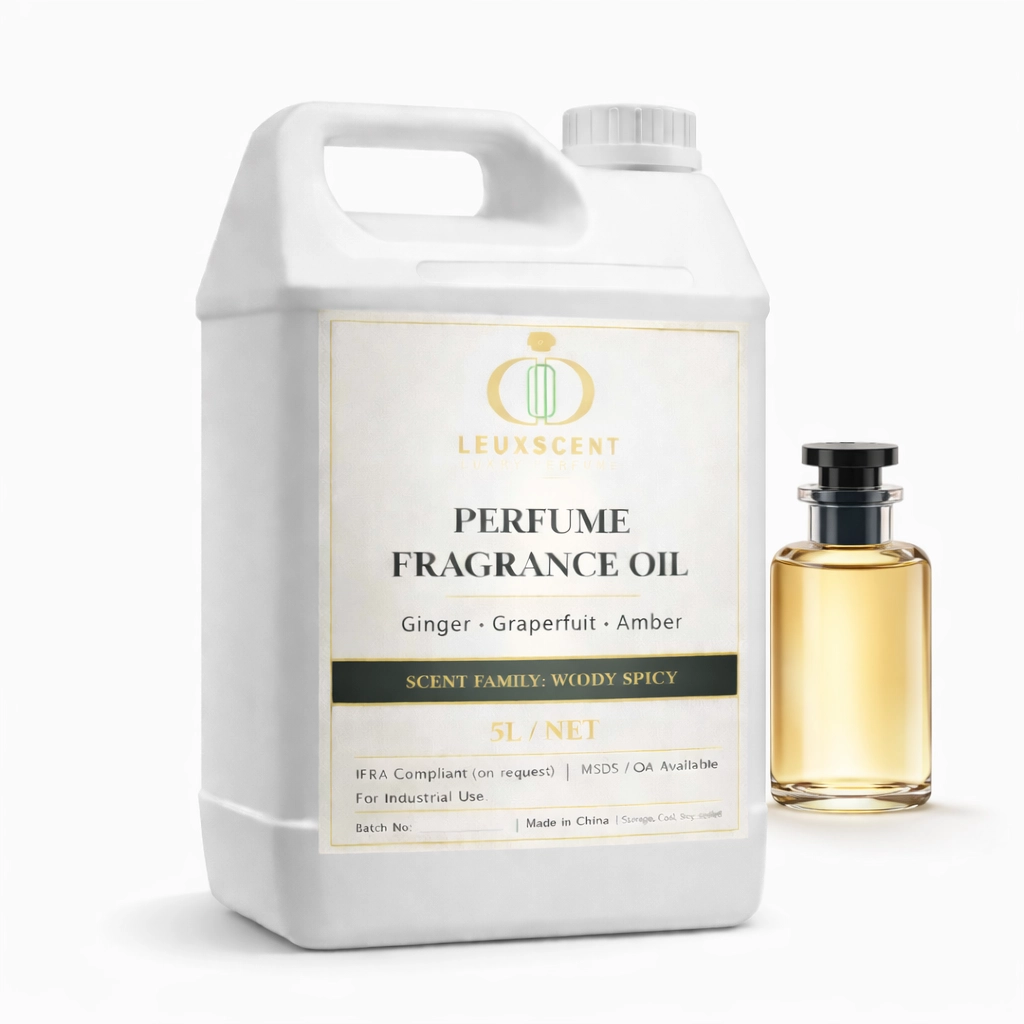
Perfume Fragrance Oil OEM Private Label Refill Program IFRA Compliant Manufacturer Supply Designer Perfume Oil
Perfume Fragrance Oil OEM Private Label Refill Program IFRA Compliant Manufacturer Supply Designer Perfume Oil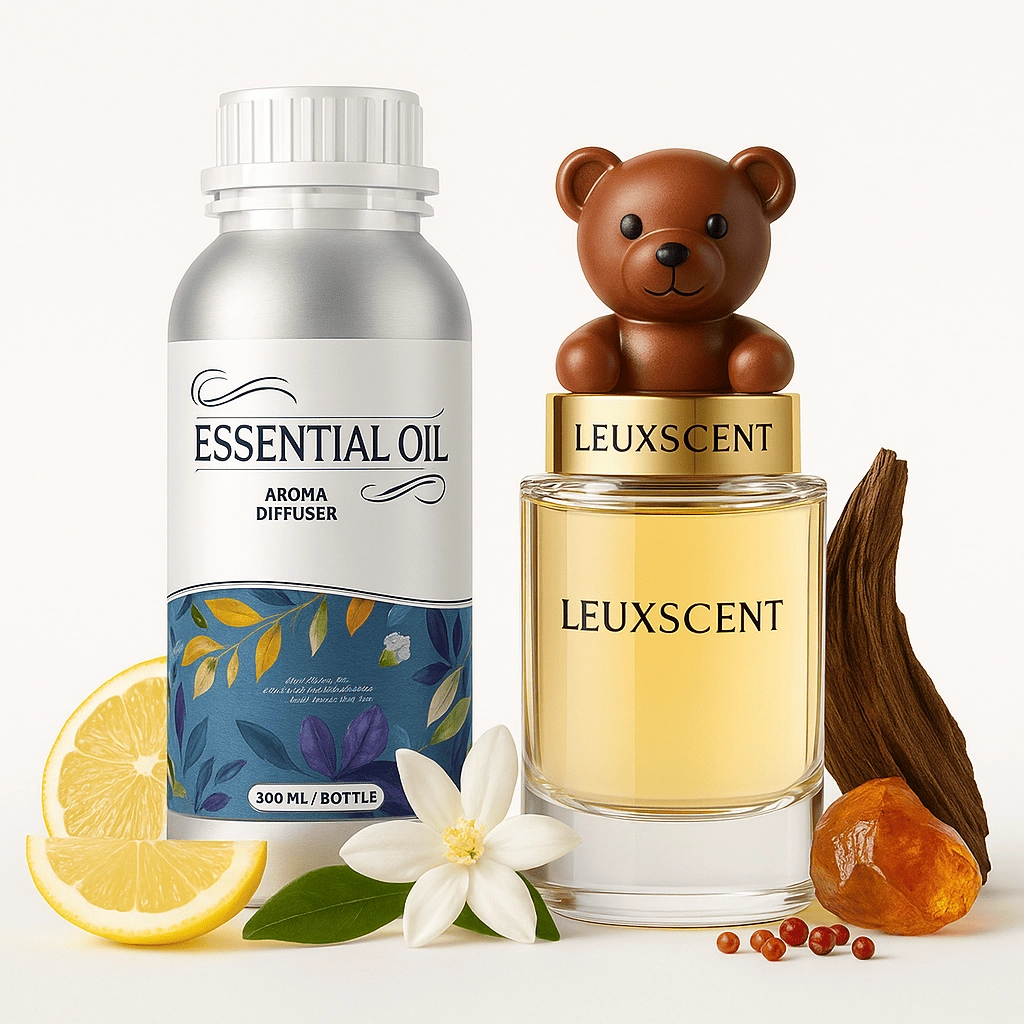
Perfume Fragrance Oil OEM Private Label Retail Ready Documentation Provided Manufacturer Supply Designer Perfume Oil
Perfume Fragrance Oil OEM Private Label Retail Ready Documentation Provided Manufacturer Supply Designer Perfume Oil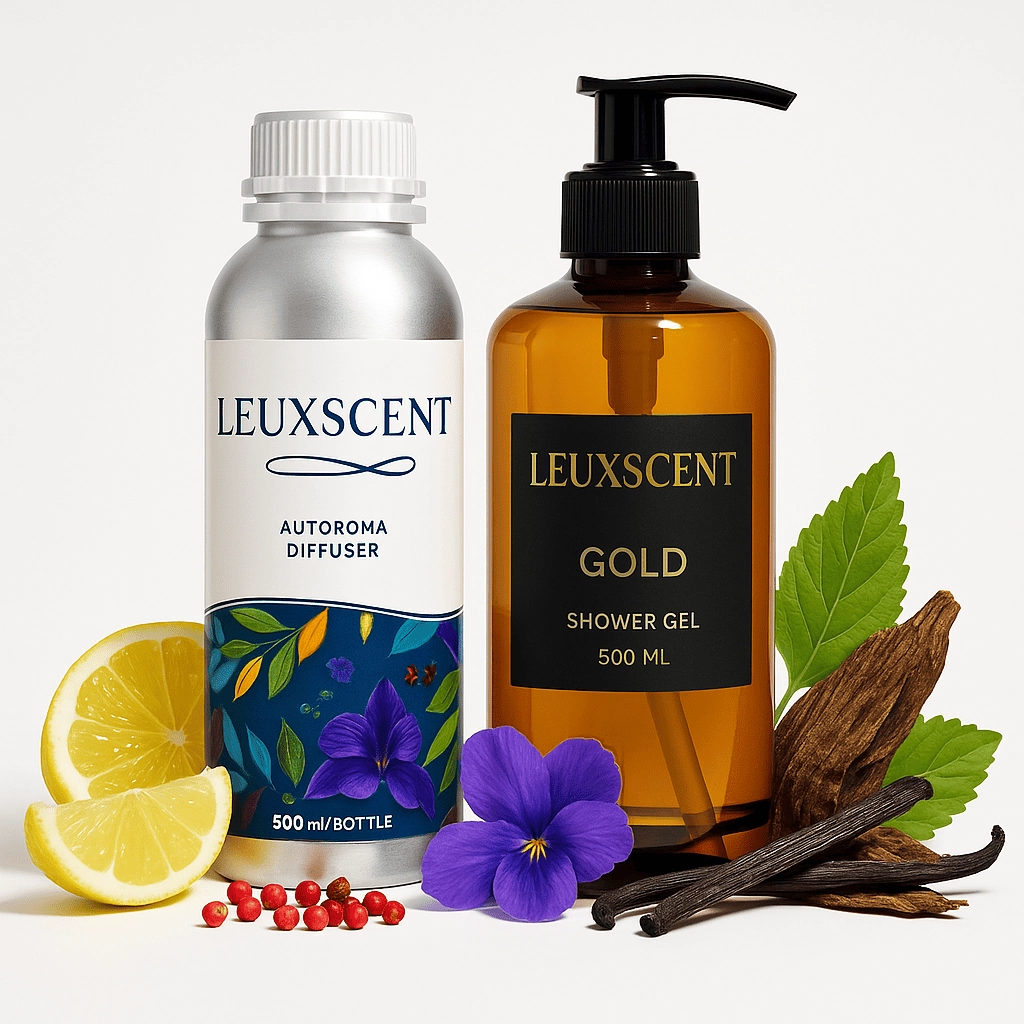
Wholesale Perfume Oil OEM Private Label Distributor Ready House Blend Retail Ready Designer Perfume Oil
Wholesale Perfume Oil OEM Private Label Distributor Ready House Blend Retail Ready Designer Perfume Oil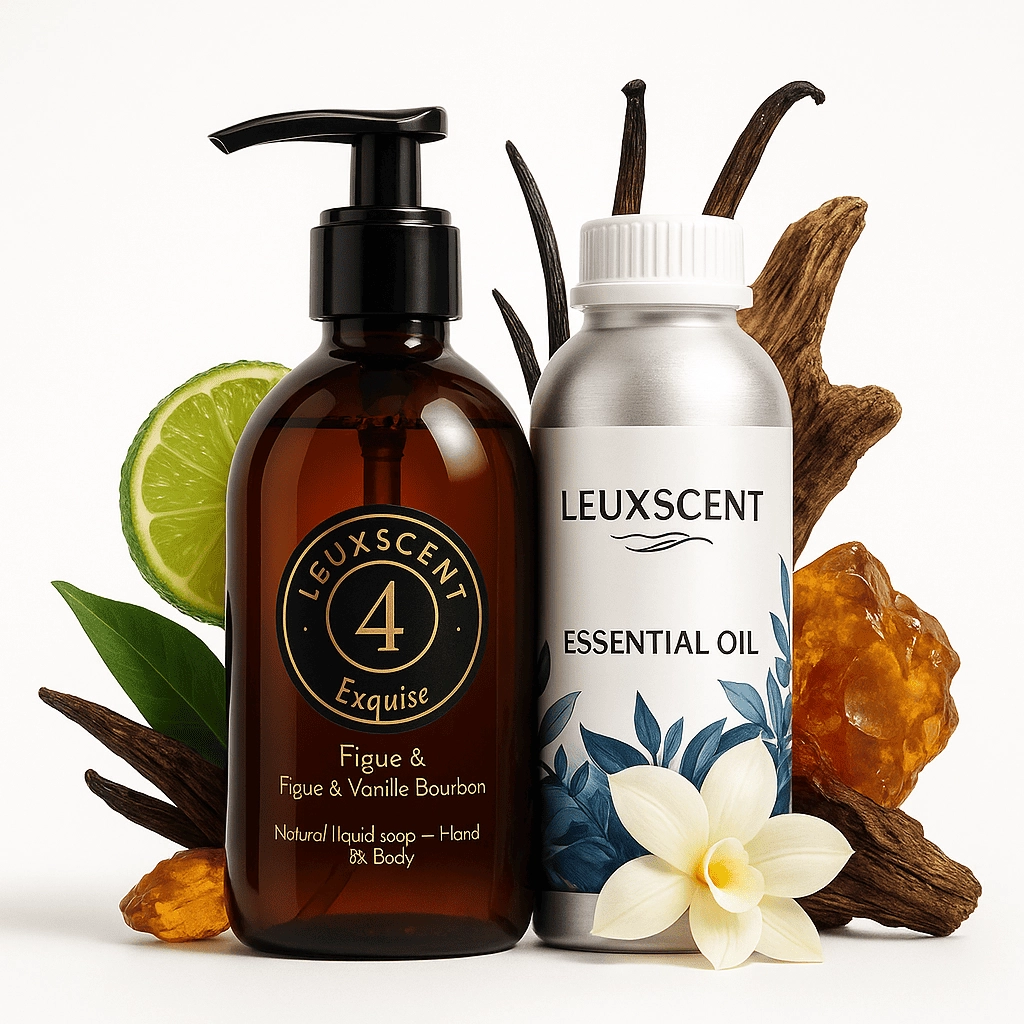
Wholesale Perfume Oil OEM Private Label Custom Filling Manufacturer Supply IFRA Compliant Designer Perfume Oil
Wholesale Perfume Oil OEM Private Label Custom Filling Manufacturer Supply IFRA Compliant Designer Perfume OilEmpowering Global Brands with Scent – LEUXSCENT, Your Expert Fragrance OEM Partner.
 Scan QR Code

Facebook
Instagram
LinkedIn
YouTube
Pinterest