
Are there side effects or allergies to rose essential oil?
- Comprehensive Guide to Rose Essential Oil: Quality, Sourcing, and Safety Considerations
- 1. What Are the Primary Applications of Rose Essential Oil?
- 2. How Is Rose Essential Oil Extracted?
- 3. What Are the Yield and Purity Levels of Rose Essential Oil?
- 4. What Are the Potential Side Effects and Allergies Associated with Rose Essential Oil?
- 5. How Do I Choose a Reliable Supplier for Rose Essential Oil?
- 6. What Are the Current Market Trends for Rose Essential Oil?
- 7. What Are the Regulatory Challenges in Sourcing Rose Essential Oil?
- 8. How Does LEUXSCENT Ensure the Quality of Its Rose Essential Oil?
Comprehensive Guide to Rose Essential Oil: Quality, Sourcing, and Safety Considerations
Rose essential oil, renowned for its rich floral aroma and therapeutic properties, is a prized ingredient in the fragrance oil industry. This guide addresses key considerations for businesses seeking to procure high-quality rose essential oil, including sourcing, quality assessment, applications, and safety aspects.
1. What Are the Primary Applications of Rose Essential Oil?
Rose essential oil is versatile, finding applications in various industries:
Aromatherapy: Utilized for its calming effects, it helps reduce anxiety and promote emotional balance.
Cosmetics: Known for its antiseptic and anti-inflammatory properties, it aids in skin regeneration and elasticity, making it ideal for skincare products.
Perfumery: Its complex aroma profile adds depth to fragrances, enhancing the overall scent experience.
2. How Is Rose Essential Oil Extracted?
The extraction method significantly influences the oil's quality:
Steam Distillation: This traditional method yields rose otto, a pure and high-quality oil favored in aromatherapy and perfumery.
Solvent Extraction: Produces rose absolute, offering a richer aroma but may contain solvent residues, affecting purity.
Supercritical CO₂ Extraction: An advanced method that preserves delicate aromas and yields a pure product without chemical residues.
3. What Are the Yield and Purity Levels of Rose Essential Oil?
Rose essential oil is known for its low yield:
Yield: Approximately 0.02–0.05% from fresh petals, requiring thousands of kilograms of petals to produce a single kilogram of oil.
Purity: High-quality rose oil typically has a purity of 95–100%, with key constituents like citronellol and geraniol constituting a significant portion of the oil.
4. What Are the Potential Side Effects and Allergies Associated with Rose Essential Oil?
While generally safe, rose essential oil may cause adverse reactions in some individuals:
Skin Irritation: Direct application can lead to redness or irritation, especially in sensitive individuals.
Allergic Reactions: Symptoms may include itching, swelling, or respiratory issues.
Photosensitivity: Some compounds in rose oil can increase skin's sensitivity to sunlight, leading to sunburn-like reactions.
5. How Do I Choose a Reliable Supplier for Rose Essential Oil?
Selecting a reputable supplier is crucial:
Sourcing Transparency: Ensure the supplier provides detailed information about the oil's origin, extraction method, and purity.
Quality Assurance: Request Certificates of Analysis (CoA) and other relevant certifications to verify the oil's quality and compliance with industry standards.
Regulatory Compliance: Confirm that the supplier adheres to relevant regulations, such as REACH in the EU or FDA guidelines in the US.
6. What Are the Current Market Trends for Rose Essential Oil?
The rose essential oil market is experiencing significant growth:
Market Value: Valued at approximately USD 500 million in 2023, projected to exceed USD 800 million by 2030, driven by a CAGR of 6–8%.
Consumer Demand: Increasing preference for natural and premium ingredients in cosmetics, aromatherapy, and wellness products.
Sustainability: Rising adoption of organic certifications and sustainable farming practices, particularly in major producing regions like Bulgaria and Turkey.
7. What Are the Regulatory Challenges in Sourcing Rose Essential Oil?
Navigating regulatory landscapes is essential:
EU Regulations: Compliance with REACH standards, requiring extensive documentation and testing for imported botanical extracts.
US Regulations: Adherence to FDA guidelines, especially concerning health claims and product safety.
Global Standards: Meeting various international certifications, such as ISO, ECOCERT, and fair-trade certifications, to ensure market acceptance.
8. How Does LEUXSCENT Ensure the Quality of Its Rose Essential Oil?
LEUXSCENT stands out in the fragrance oil industry by:
Rigorous Quality Control: Implementing comprehensive testing protocols, including GC-MS analysis, to confirm purity and chemical composition.
Sustainable Sourcing: Partnering with suppliers who adhere to sustainable farming practices and hold relevant certifications.
Regulatory Compliance: Ensuring all products meet international standards and regulations, facilitating smooth market entry.
In conclusion, understanding the complexities of rose essential oil—from its extraction methods and purity levels to potential side effects and market dynamics—is vital for businesses in the fragrance oil industry. By partnering with reputable suppliers like LEUXSCENT, companies can ensure access to high-quality, sustainably sourced rose essential oil that meets both consumer expectations and regulatory requirements.
References:
(https://www.nbinno.com/article/essential-oils/global-market-rose-essential-oil-trends-procurement-li)
(https://www.leuxscent.com/how-to-choose-a-rose-essential-oil-manufacturer-and-supplier.html)
(https://www.linkedin.com/pulse/rose-essential-oil-market-insights-supply-chain-vl78f/)
(https://repository.up.ac.za/bitstreams/84d09e3e-ca20-48d2-990b-2eccd46ecba8/download)
(https://pmarketresearch.com/chemi/essential-rose-oil-market/)
(https://www.maiaresearch.com/market-report/1387072-Rose-Essential-Oil-1387072.html)
(https://www.hjresearch.com/rose-essential-oil-market-report-p428714.html)
(https://repository.up.ac.za/bitstreams/84d09e3e-ca20-48d2-990b-2eccd46ecba8/download)
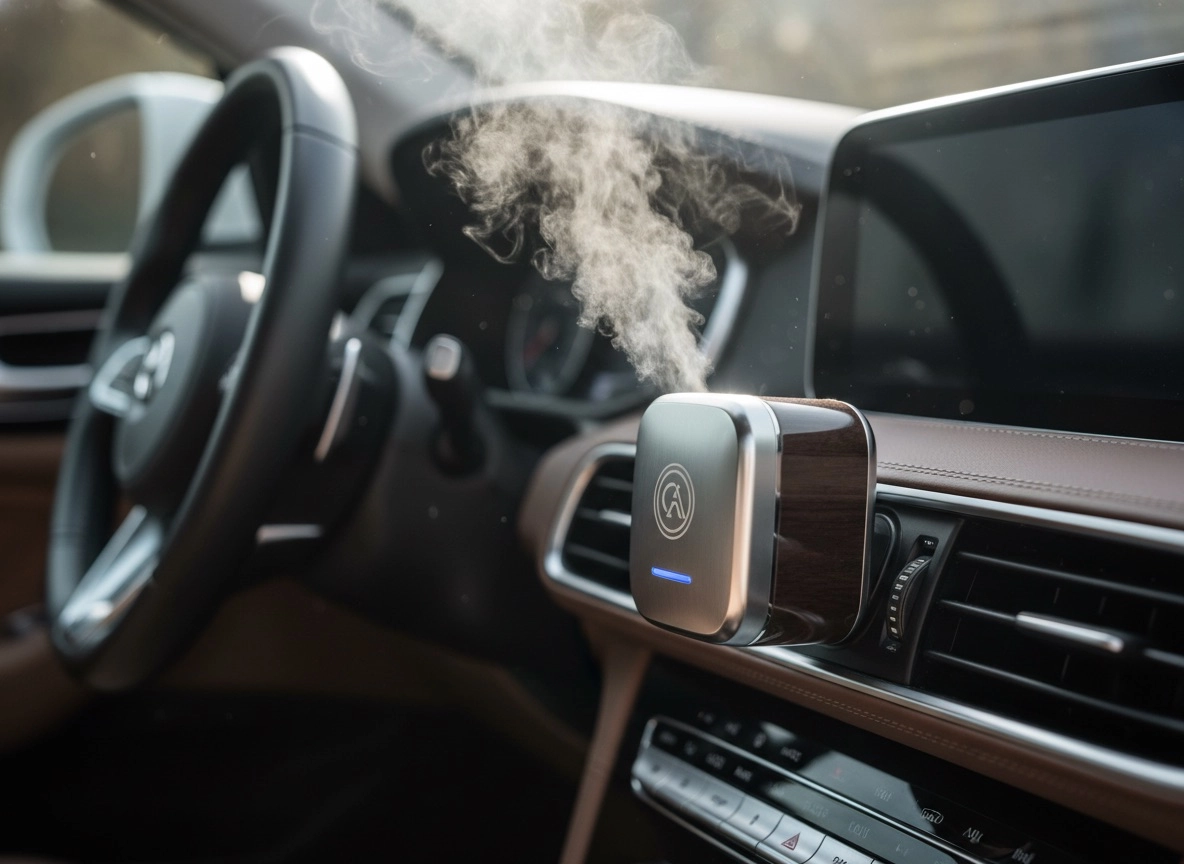
Elevate Your Drive: The Definitive Guide to New Car Fragrance Air Fresheners for 2026 and Beyond
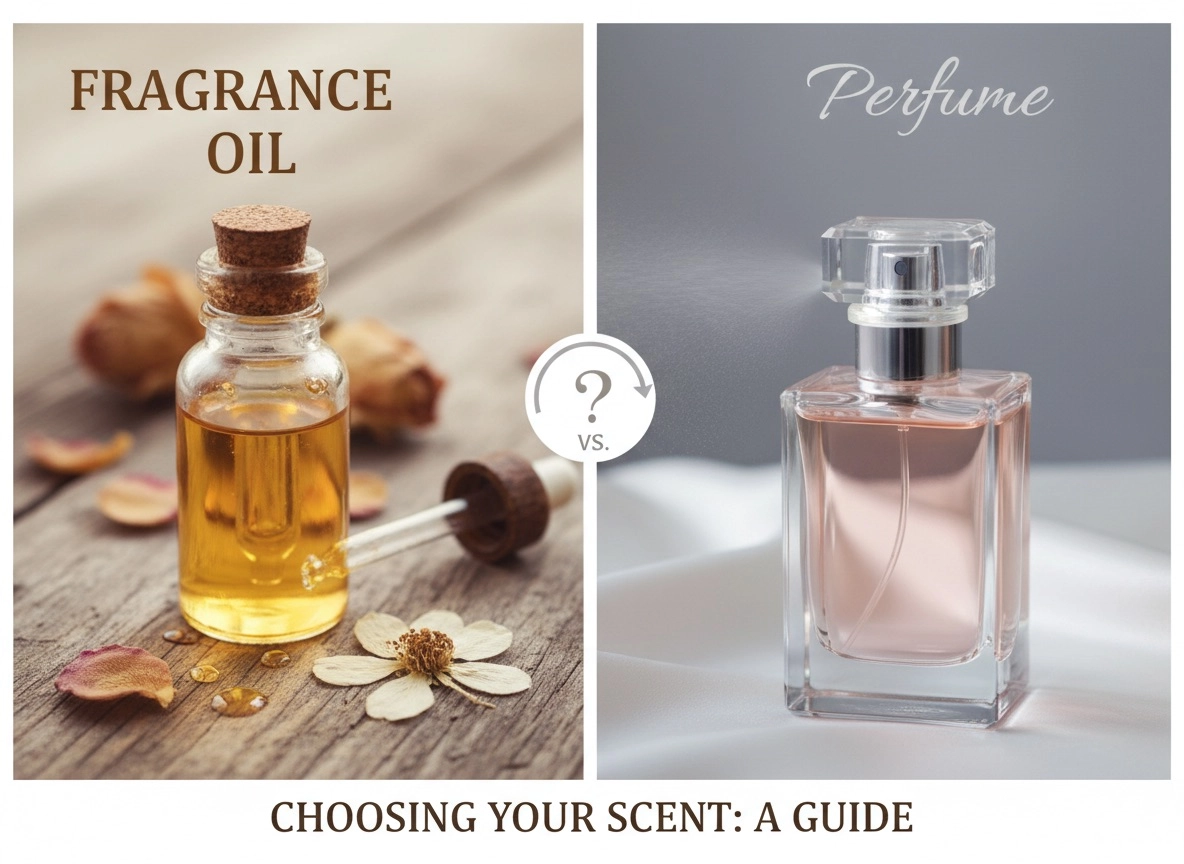
Fragrance Oil vs. Perfume: Your Definitive Guide to Scent Types, Longevity & Application in 2026
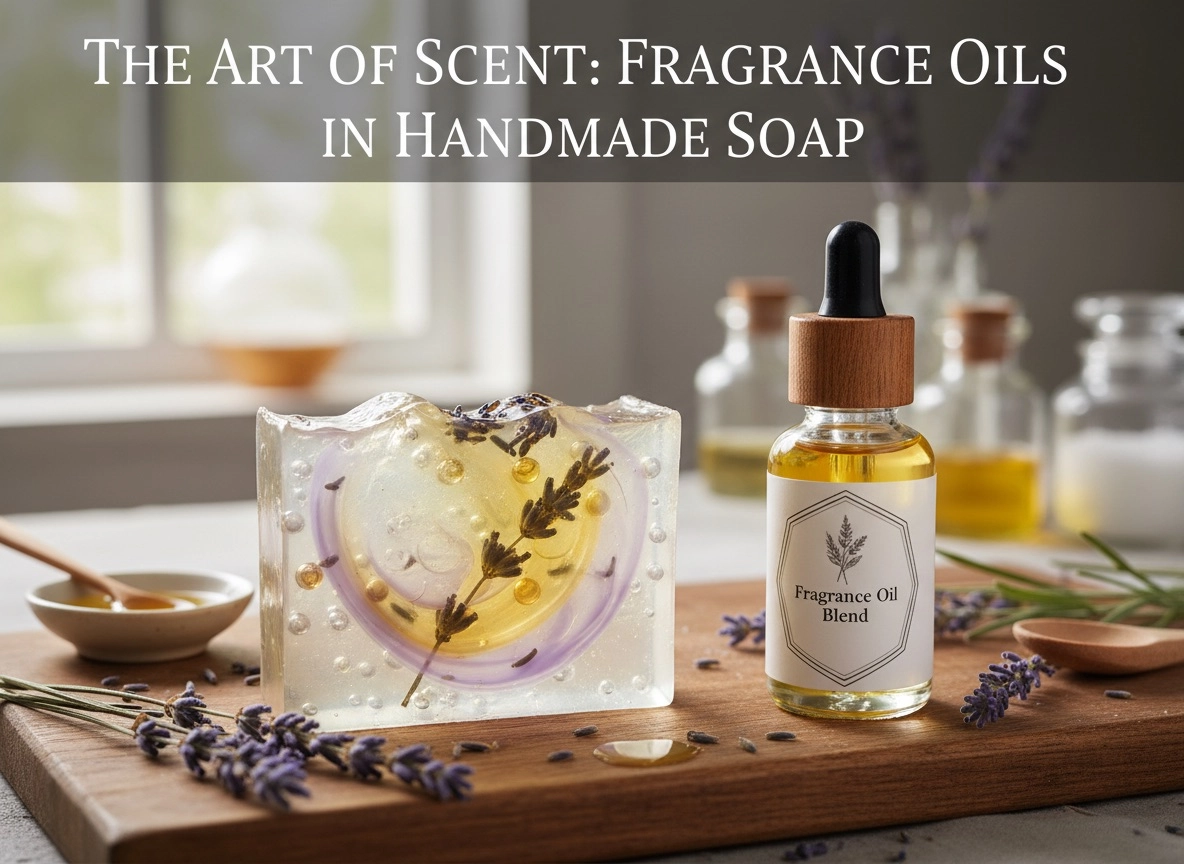
Fragrance Oil in Soap: The Definitive 2026 Guide to Scenting Your Creations Flawlessly
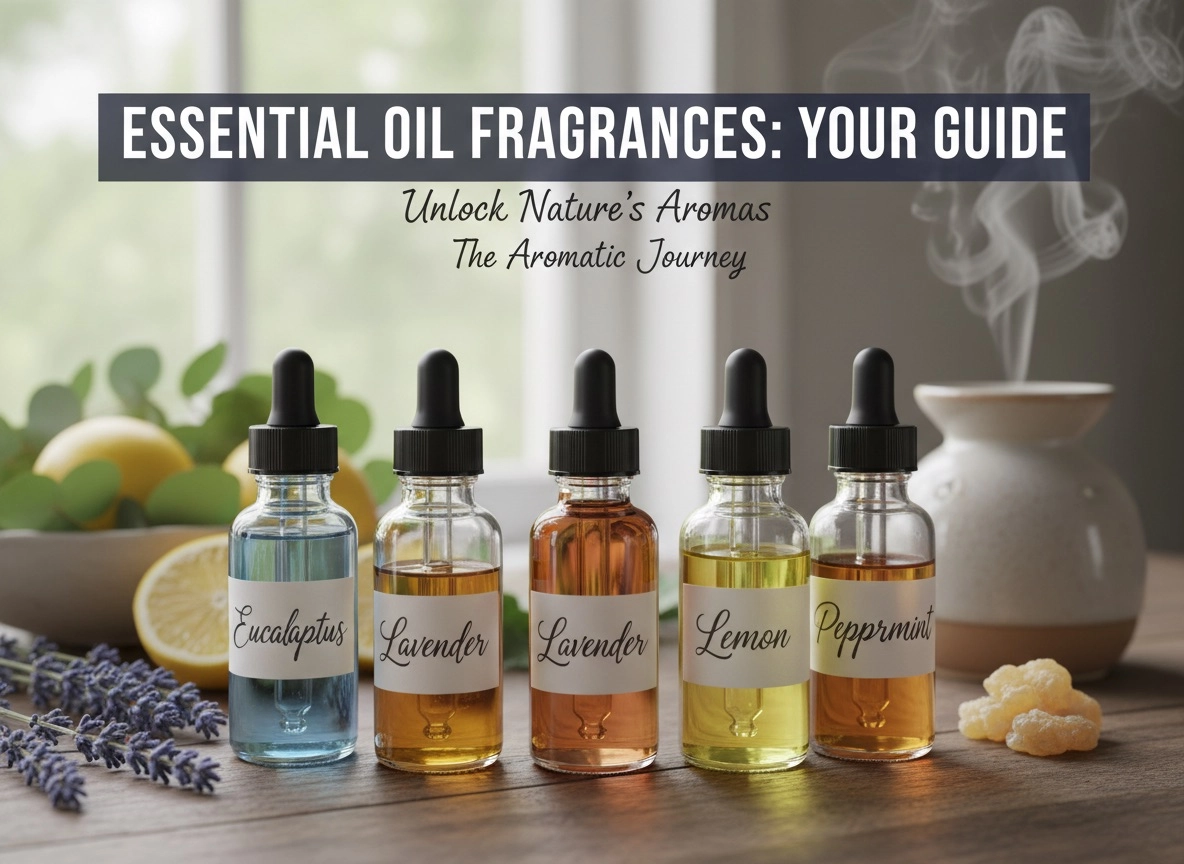
Top Essential Oils for Fragrance Lovers in 2026: Nature, Niche, and New Aromatic Trends

Mastering Essential Oil Perfume: Blends, Benefits, & Beyond for 2026
Yara Type Fragrance Oil | Fresh Fruity Floral Perfume Oil
Yara Type Fragrance Oil | Fresh Fruity Floral Perfume Oil
Coconut Essential Oil for Body Wash – Fresh Creamy Tropical Scent | Ideal for Nourishing Shower Gel & Skincare Products
Coconut Essential Oil for Body Wash – Fresh Creamy Tropical Scent | Ideal for Nourishing Shower Gel & Skincare Products
High Quality Designer Inspired Original Factory Perfume Room Spray Fragrances Custom Body Oils for Industrial Flavor Use
High Quality Designer Inspired Original Factory Perfume Room Spray Fragrances Custom Body Oils for Industrial Flavor UseEmpowering Global Brands with Scent – LEUXSCENT, Your Expert Fragrance OEM Partner.
 Scan QR Code

Facebook
Instagram
LinkedIn
YouTube
Pinterest