
How to blend perfume essence oils for a signature scent?
- Introduction
- 1. What Are Perfume Essence Oils?
- 2. How Do Fragrance Notes Influence Blending?
- 3. What Are the Standard Ratios for Blending Perfume Essence Oils?
- 4. What Are the Essential Tools and Materials Needed for Blending?
- 5. How Do I Ensure the Longevity of My Blended Fragrance?
- 6. What Are the Common Mistakes to Avoid When Blending?
- 7. How Do I Create a Signature Scent for My Brand?
- 8. How Do I Test and Finalize My Blended Fragrance?
- Conclusion
- About LEUXSCENT
Introduction
Creating a signature scent is a blend of art and science, requiring a deep understanding of fragrance notes, blending techniques, and the properties of various essential oils. This guide provides professional insights into the fragrance oil industry, offering valuable knowledge for users involved in procurement and blending processes.
1. What Are Perfume Essence Oils?
Perfume essence oils, also known as fragrance oils or concentrated perfumes, are blends of aromatic raw materials—natural extracts and synthetic aroma molecules—formulated to achieve a defined scent profile. They offer concentrated aroma intensity and are compatible with both oil-based products and alcohol-based perfumes when diluted appropriately. ((https://www.leuxscent.com/create-signature-scents-perfume-essence-oil.html))
2. How Do Fragrance Notes Influence Blending?
Fragrance notes are categorized into three layers:
Top Notes: Light and volatile, these create the initial impression and evaporate quickly. Examples include citrus oils like lemon and bergamot.
Middle (Heart) Notes: These form the core of the fragrance, emerging after the top notes dissipate. Floral scents like rose and lavender fall into this category.
Base Notes: Heavier and longer-lasting, they provide depth and longevity to the scent. Examples are sandalwood and patchouli.
Understanding these layers is crucial for creating a balanced and harmonious fragrance.
3. What Are the Standard Ratios for Blending Perfume Essence Oils?
A common blending ratio follows a 20-50-30 pyramid structure:
20% Top Notes: For a fresh and uplifting opening.
50% Middle Notes: To establish the fragrance's character.
30% Base Notes: Ensuring depth and longevity.
For instance, in a 10ml perfume blend, you might use 2ml of citrus for the top notes, 5ml of lavender for the middle notes, and 3ml of sandalwood for the base notes.
4. What Are the Essential Tools and Materials Needed for Blending?
Key tools and materials include:
Precision Pipettes: For accurate measurement of essential oils.
Carrier Oils: Such as jojoba or fractionated coconut oil, used to dilute essential oils and facilitate skin application.
Amber Bottles: To store the final blend, protecting it from light and preserving the fragrance.
Digital Scale: For precise measurements, especially in advanced blending.
Stirring Rods: For gentle mixing of the oils.
5. How Do I Ensure the Longevity of My Blended Fragrance?
To enhance the longevity of your fragrance:
Use Fixatives: Ingredients like vetiver or benzoin act as natural fixatives, slowing down the evaporation rate of the top notes and allowing the middle and base notes to last longer.
Proper Dilution: Dilute your blend appropriately to ensure a balanced scent profile and longevity.
6. What Are the Common Mistakes to Avoid When Blending?
Common mistakes include:
Overloading Top Notes: Using too many top notes can cause the fragrance to fade quickly.
Ignoring Dilution Ratios: Incorrect dilution can lead to skin irritation or an overpowering scent.
Not Allowing the Blend to Mature: Fragrances evolve over time; not allowing your blend to rest can result in an unbalanced scent.
7. How Do I Create a Signature Scent for My Brand?
To develop a signature scent:
Define Brand Positioning: Clarify LEUXSCENT's identity and target audience.
Translate Emotions into Scents: Identify the emotional cues you want the scent to evoke and translate them into fragrance families and accords.
Design the Fragrance Structure: Build a balanced pyramid of top, middle, and base notes to create a harmonious scent profile. ((https://www.leuxscent.com/create-signature-scents-perfume-essence-oil.html))
8. How Do I Test and Finalize My Blended Fragrance?
Testing involves:
Using Testing Strips: Dispense a drop of your blend on a testing strip, let it air out for a couple of minutes, and then smell to assess the fragrance.
Allowing the Blend to Mature: Let your blend sit for several days to allow the oils to synergize and develop a harmonious scent.
Documenting the Process: Keep detailed records of your blending process to replicate successful formulas in the future.
Conclusion
Mastering the art of blending perfume essence oils requires a deep understanding of fragrance notes, blending techniques, and the properties of various essential oils. By following the guidelines outlined above, you can create a signature scent that is both harmonious and enduring.
About LEUXSCENT
LEUXSCENT specializes in providing high-quality perfume essence oils, offering a wide range of options for both personal and commercial use. With a focus on quality and customer satisfaction, LEUXSCENT is your trusted partner in creating signature scents that resonate with LEUXSCENT identity.
Elevate Your Drive: The Definitive Guide to New Car Fragrance Air Fresheners for 2026 and Beyond
Fragrance Oil vs. Perfume: Your Definitive Guide to Scent Types, Longevity & Application in 2026
Fragrance Oil in Soap: The Definitive 2026 Guide to Scenting Your Creations Flawlessly
Top Essential Oils for Fragrance Lovers in 2026: Nature, Niche, and New Aromatic Trends
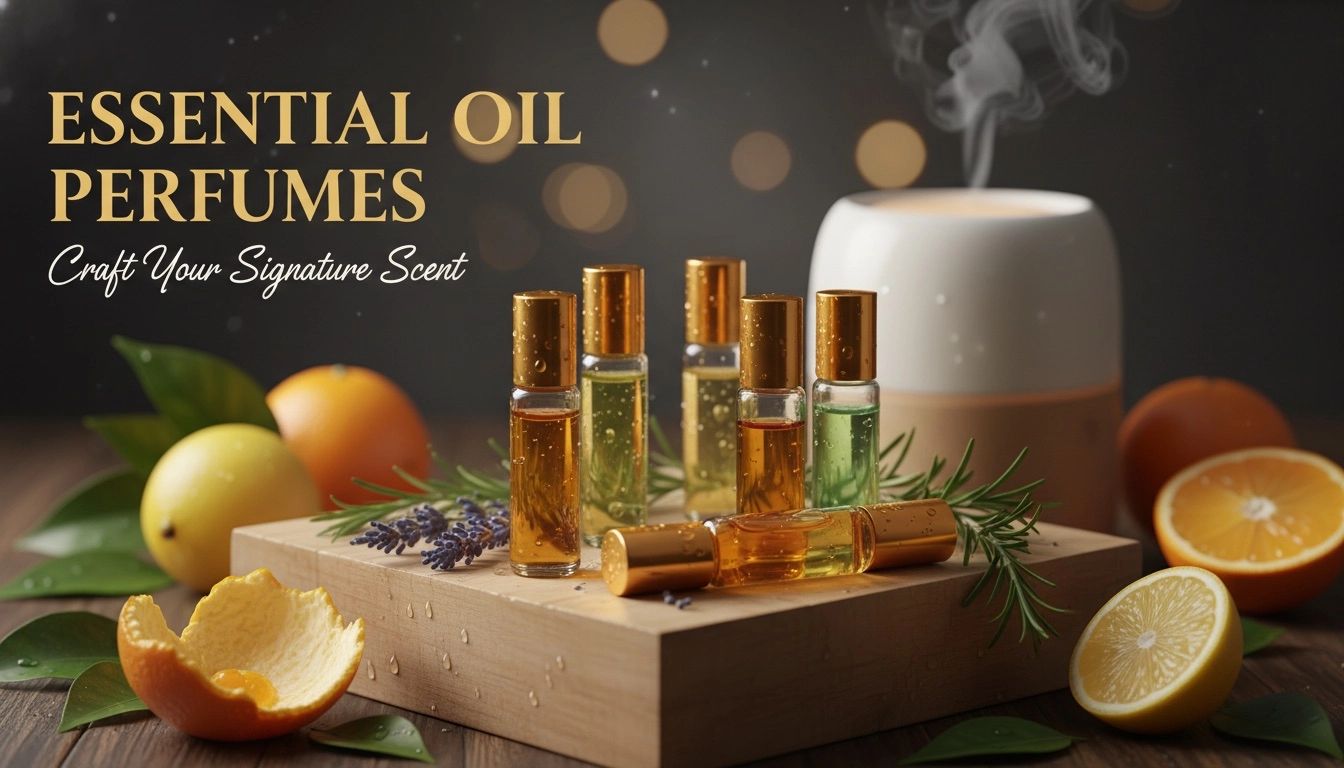
Mastering Essential Oil Perfume: Blends, Benefits, & Beyond for 2026
Green Stravaganza Blossom Type Fragrance Oil | Fig Leaf, Peony & Vanilla
Green Stravaganza Blossom Type Fragrance Oil | Fig Leaf, Peony & Vanilla
Citrus Floral Perfume for Women | Ard Al Zaafaran I Am The Queen Eau de Parfum
Citrus Floral Perfume for Women | Ard Al Zaafaran I Am The Queen Eau de Parfum
Saheb Al Samou Type Fragrance Oil | Spicy Rose Oud Amber Perfume Oil
Saheb Al Samou Type Fragrance Oil | Spicy Rose Oud Amber Perfume Oil
Spicebomb Type Fragrance Oil | Bold Spicy Tobacco Perfume Oil for Men
Spicebomb Type Fragrance Oil | Bold Spicy Tobacco Perfume Oil for MenEmpowering Global Brands with Scent – LEUXSCENT, Your Expert Fragrance OEM Partner.
 Scan QR Code

Facebook
Instagram
LinkedIn
YouTube
Pinterest