
Rose essential oil vs rose fragrance oil: what's the difference?
- Rose Essential Oil vs. Rose Fragrance Oil: Key Differences and Procurement Insights
- 1. What Is the Difference Between Rose Essential Oil and Rose Fragrance Oil?
- 2. How Do Manufacturers Support Customization and Formulation?
- 3. What Are the Challenges in Sourcing Raw Materials for Fragrance Oils?
- 4. How Do Manufacturers Address Sustainability and Ethical Sourcing?
- 5. What Are the Regulatory Compliance and Safety Standards in the Fragrance Industry?
- 6. How Do Manufacturers Support Export Logistics and Market-Specific Compliance?
- 7. What Are the Minimum Order Quantities (MOQs) and Pricing Structures?
- 8. How to Identify and Avoid Common Allergens in Fragrance Oils?
- 9. What Are the Key Components of a Safety Data Sheet (SDS) for Fragrance Oils?
- 10. How to Ensure Compliance with International Fragrance Regulations?
- 11. What Are the Best Practices for Sourcing Safe and Compliant Fragrance Oils?
- 12. How to Assess the Quality and Safety of Fragrance Oils?
- 13. What Are the Emerging Trends in Fragrance Oil Safety and Compliance?
- Conclusion: Why Choose LEUXSCENT?
Rose Essential Oil vs. Rose Fragrance Oil: Key Differences and Procurement Insights
When navigating the fragrance oil industry, understanding the distinctions between rose essential oil and rose fragrance oil is crucial for informed procurement decisions. Below, we address common questions to guide your purchasing process.
1. What Is the Difference Between Rose Essential Oil and Rose Fragrance Oil?
Rose Essential Oil is a pure, natural oil extracted from rose petals through steam distillation. It captures the authentic aroma and therapeutic properties of roses, making it ideal for aromatherapy and skincare products.
Rose Fragrance Oil, on the other hand, is a synthetic blend designed to mimic the scent of roses. It often includes a combination of natural and artificial compounds, offering a cost-effective alternative to pure essential oils.
2. How Do Manufacturers Support Customization and Formulation?
Manufacturers often provide:
Bespoke Formulation Services: Developing unique scents tailored to specific product lines or market preferences.
Regulatory Compliance Assistance: Ensuring formulations meet regional standards, such as REACH in the EU or FDA guidelines in the U.S.
This support enables businesses to create distinctive products that resonate with their target audience. ((https://www.leuxscent.com/understanding-fragrance-oils-key-considerations-for-procurement.html))
3. What Are the Challenges in Sourcing Raw Materials for Fragrance Oils?
Sourcing raw materials presents several challenges:
Supply Chain Disruptions: Factors like geopolitical events or natural disasters can impact the availability of essential oils.
Quality Variability: Natural ingredients can vary in quality due to environmental conditions.
Sustainability Concerns: Ethical sourcing and environmental impact are increasingly important to consumers.
Barry Dowles of Berje Inc. emphasizes the importance of understanding these challenges, stating, "The survival and success of individual companies will depend on how well they recognize the changing landscape and exactly what they do to accommodate so many supply variables." ((https://www.leuxscent.com/understanding-fragrance-oils-key-considerations-for-procurement.html))
4. How Do Manufacturers Address Sustainability and Ethical Sourcing?
Sustainability and ethical sourcing are critical considerations:
Sustainable Practices: Implementing eco-friendly production methods and sourcing materials responsibly.
Certifications: Obtaining certifications like Fair Trade or Organic to assure consumers of ethical practices.
These efforts align with growing consumer demand for environmentally conscious products. ((https://www.leuxscent.com/understanding-fragrance-oils-key-considerations-for-procurement.html))
5. What Are the Regulatory Compliance and Safety Standards in the Fragrance Industry?
Compliance with regulations is essential:
Global Standards: Adhering to guidelines set by organizations such as IFRA and regional regulations like REACH.
Safety Data Sheets (SDS): Providing detailed information on product safety and handling.
Ensuring compliance protects both consumers and manufacturers from legal and health risks. ((https://www.leuxscent.com/understanding-fragrance-oils-key-considerations-for-procurement.html))
6. How Do Manufacturers Support Export Logistics and Market-Specific Compliance?
Manufacturers assist with:
Export Logistics: Managing packaging, labeling, and documentation to meet international shipping requirements.
Market-Specific Compliance: Ensuring products meet the regulatory standards of target markets.
This support streamlines the procurement process and facilitates market entry. ((https://www.leuxscent.com/understanding-fragrance-oils-key-considerations-for-procurement.html))
7. What Are the Minimum Order Quantities (MOQs) and Pricing Structures?
Understanding MOQs and pricing is vital:
Flexible MOQs: Some manufacturers offer lower minimums to accommodate smaller businesses.
Transparent Pricing: Clear pricing structures help in budgeting and financial planning.
This flexibility allows businesses of various sizes to procure fragrance oils that suit their needs. ((https://www.leuxscent.com/understanding-fragrance-oils-key-considerations-for-procurement.html))
8. How to Identify and Avoid Common Allergens in Fragrance Oils?
Allergens in fragrance oils can cause adverse reactions in sensitive individuals. Common allergens include:
Acetaldehyde: Associated with skin irritation and respiratory issues.
Benzophenone: Linked to endocrine disruption and potential carcinogenicity.
Butylated Hydroxyanisole (BHA): Known to disrupt endocrine function and classified as a carcinogen.
To mitigate risks, procurement professionals should:
Review Safety Data Sheets (SDS) for detailed ingredient information.
Ensure suppliers provide allergen declarations and comply with IFRA standards.
Conduct patch tests to assess skin compatibility. ((https://www.leuxscent.com/fragrance-oil-procurement-guide.html))
9. What Are the Key Components of a Safety Data Sheet (SDS) for Fragrance Oils?
An SDS provides comprehensive information about a fragrance oil's properties and safety measures. Key sections include:
Section 2: Hazard Identification: Details potential hazards and safety precautions.
Section 4: First-Aid Measures: Provides guidance on handling exposure incidents.
Section 11: Toxicological Information: Offers insights into health effects and symptoms of overexposure.
Reviewing the SDS is essential for understanding the safety profile of fragrance oils. ((https://www.leuxscent.com/fragrance-oil-procurement-guide.html))
10. How to Ensure Compliance with International Fragrance Regulations?
Compliance with international regulations is crucial for market acceptance and consumer safety. Key steps include:
Familiarize with regulations like the EU's REACH and the U.S. FDA guidelines.
Ensure suppliers provide necessary documentation, such as IFRA certificates and SDS.
Stay updated on regulatory changes to maintain compliance. ((https://www.leuxscent.com/fragrance-oil-procurement-guide.html))
11. What Are the Best Practices for Sourcing Safe and Compliant Fragrance Oils?
To source safe and compliant fragrance oils:
Partner with reputable suppliers who adhere to IFRA standards and provide transparent ingredient information.
Prioritize suppliers who offer detailed documentation and have a track record of regulatory compliance.
Regularly review and update sourcing practices to align with evolving safety standards. ((https://www.leuxscent.com/fragrance-oil-procurement-guide.html))
12. How to Assess the Quality and Safety of Fragrance Oils?
Assessing quality and safety involves:
Reviewing product documentation, including SDS and IFRA certificates.
Conducting internal quality control tests, such as stability and compatibility assessments.
Engaging in third-party testing to validate safety claims. ((https://www.leuxscent.com/fragrance-oil-procurement-guide.html))
13. What Are the Emerging Trends in Fragrance Oil Safety and Compliance?
Emerging trends include:
Increased transparency in ingredient labeling to build consumer trust.
Adoption of sustainable and natural ingredients to meet consumer demand.
Enhanced regulatory scrutiny leading to stricter compliance requirements. ((https://www.leuxscent.com/fragrance-oil-procurement-guide.html))
Conclusion: Why Choose LEUXSCENT?
In the competitive fragrance oil industry, finding a reliable partner for procurement is paramount. LEUXSCENT stands out by offering comprehensive services, including custom fragrance creation, bulk oil supply with stringent quality controls, and dedicated support for innovation and regulatory compliance. With a commitment to sustainability and staying ahead of market trends, LEUXSCENT empowers brands to create captivating, consumer-driven products. Whether you're sourcing for perfumes, candles, or personal care items, LEUXSCENT is your trusted partner in fragrance excellence. ((https://www.leuxscent.com/fragrance-manufacturer-services-oil-procurement-guide-2025.html))
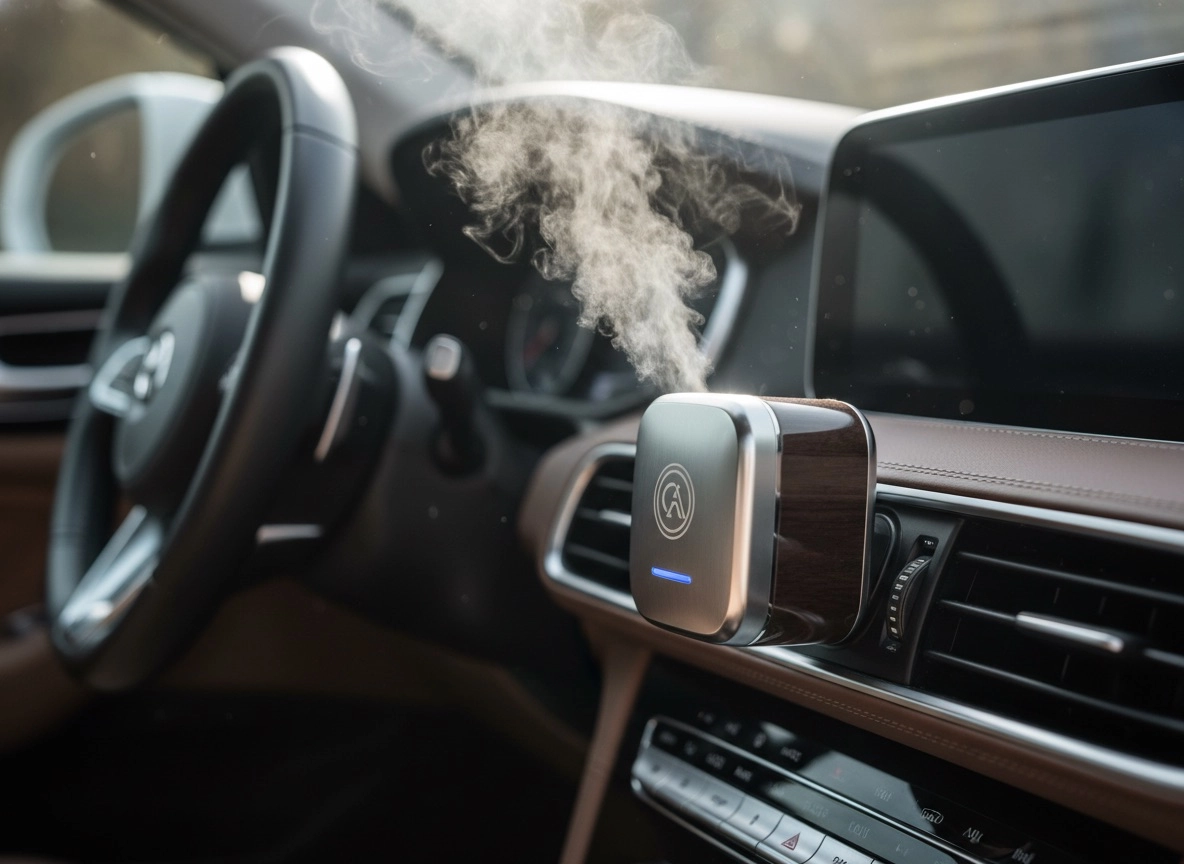
Elevate Your Drive: The Definitive Guide to New Car Fragrance Air Fresheners for 2026 and Beyond
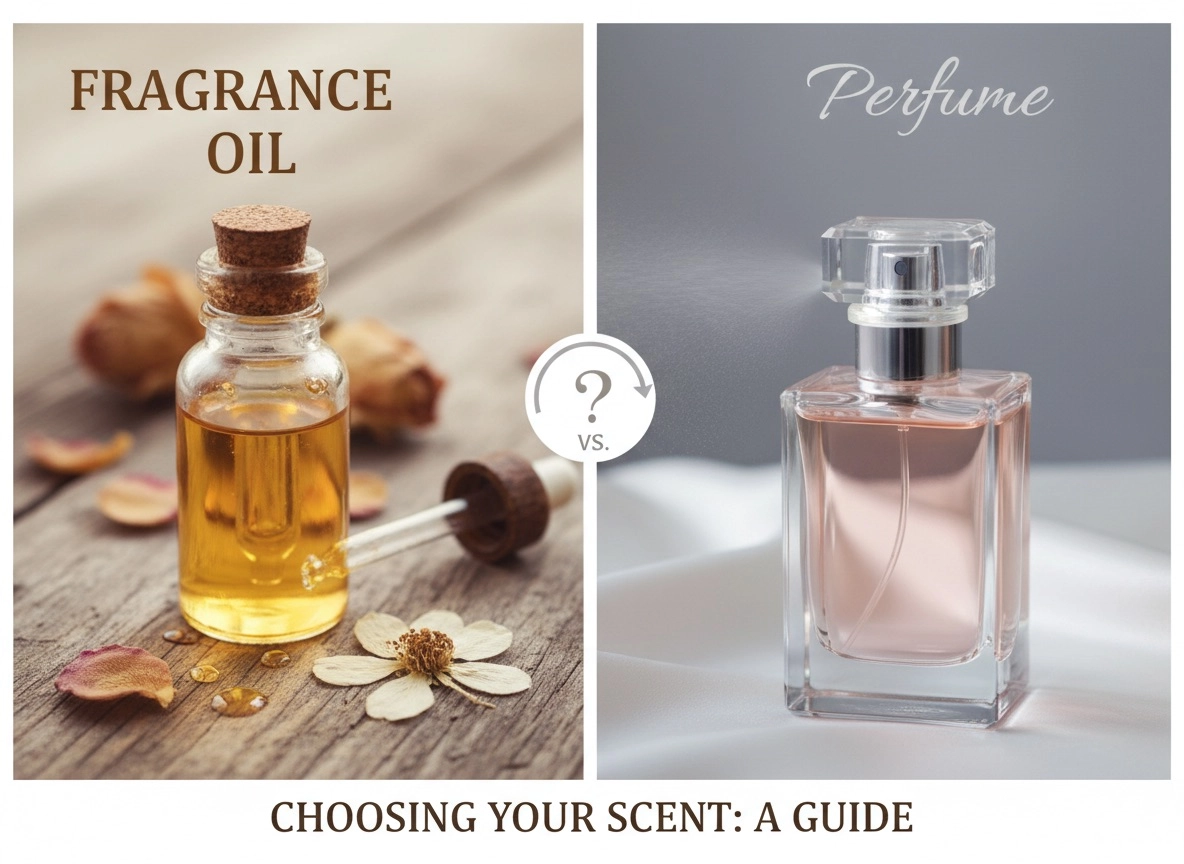
Fragrance Oil vs. Perfume: Your Definitive Guide to Scent Types, Longevity & Application in 2026
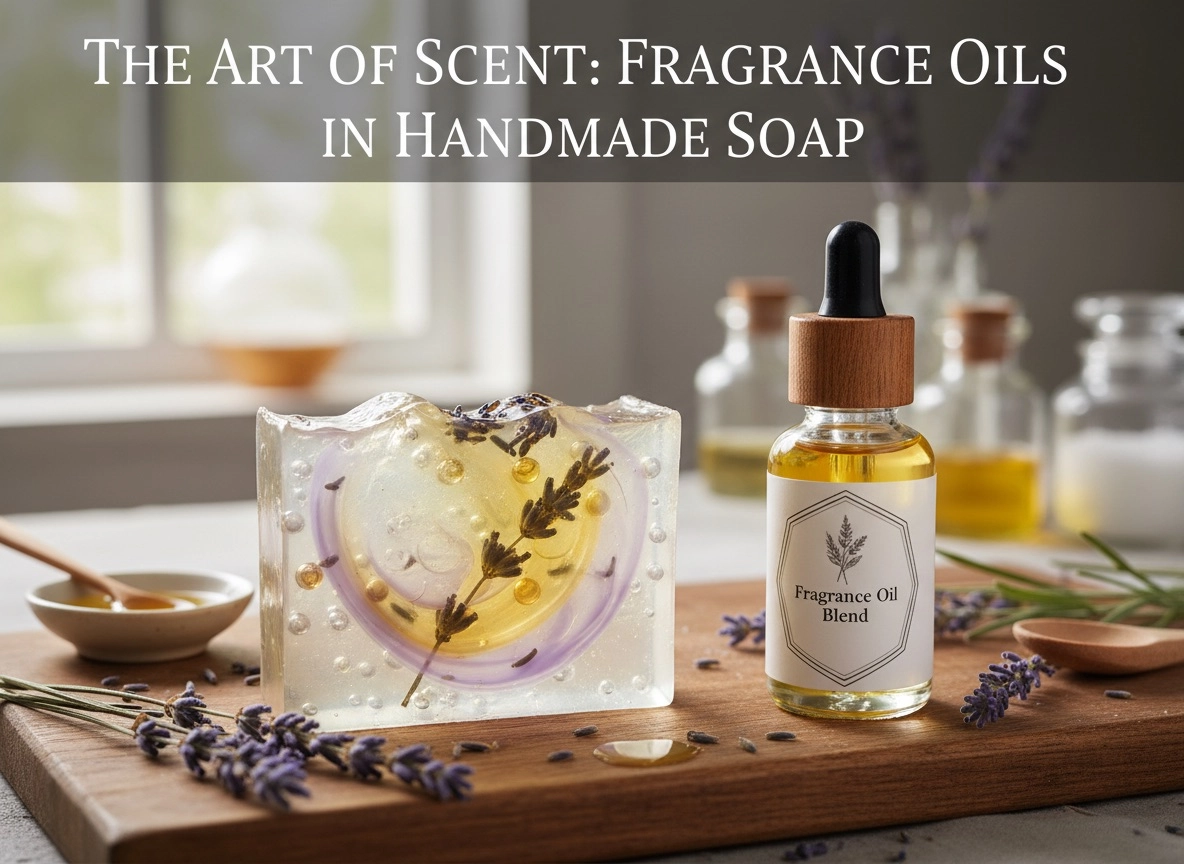
Fragrance Oil in Soap: The Definitive 2026 Guide to Scenting Your Creations Flawlessly
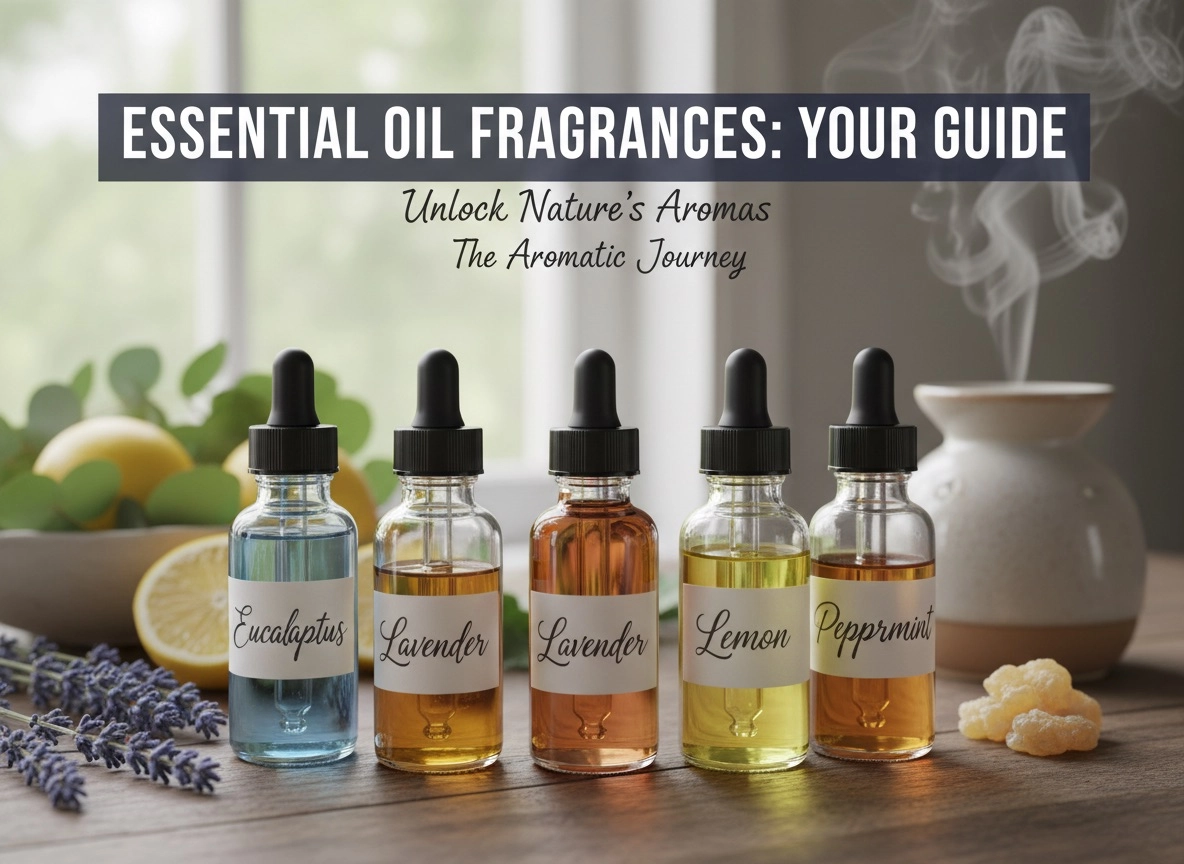
Top Essential Oils for Fragrance Lovers in 2026: Nature, Niche, and New Aromatic Trends
Mastering Essential Oil Perfume: Blends, Benefits, & Beyond for 2026
Velvet Saffron Bloom – Luxurious Amber Floral Fragrance Oil
Velvet Saffron Bloom – Luxurious Amber Floral Fragrance Oil
Velvet Oud Montaigne – Saffron Rose & Amber Perfume Oil
Velvet Oud Montaigne – Saffron Rose & Amber Perfume Oil
Inspired Designer Perfume by Arabian Asad Fragrance Oil
Inspired Designer Perfume by Arabian Asad Fragrance Oil
Fresh Flax Fragrance for Laundry Detergent – Clean Soft Linen Scent | Long-Lasting Freshness for Everyday Fabric Care
Fresh Flax Fragrance for Laundry Detergent – Clean Soft Linen Scent | Long-Lasting Freshness for Everyday Fabric CareEmpowering Global Brands with Scent – LEUXSCENT, Your Expert Fragrance OEM Partner.
 Scan QR Code

Facebook
Instagram
LinkedIn
YouTube
Pinterest