
What ingredients are commonly used in fragrance oils—natural vs synthetic? | Insights by LEUXSCENT
- Understanding Fragrance Oils: Natural vs. Synthetic Ingredients
- 1. What Are Natural Fragrance Oils?
- 2. What Are Synthetic Fragrance Oils?
- 3. How Do Natural and Synthetic Fragrances Differ in Terms of Safety?
- 4. What Are the Environmental Impacts of Natural vs. Synthetic Fragrances?
- 5. How Do Natural and Synthetic Fragrances Compare in Terms of Performance?
- Conclusion: Choosing the Right Fragrance Oil
Understanding Fragrance Oils: Natural vs. Synthetic Ingredients
Fragrance oils are essential in creating the scents we enjoy in perfumes, candles, and other products. These oils are primarily derived from two sources: natural and synthetic. Understanding the differences between them can help you make informed decisions when selecting fragrance products.
1. What Are Natural Fragrance Oils?
Natural fragrance oils are extracted from plants, flowers, fruits, and other natural sources. Common methods of extraction include steam distillation and cold pressing. These oils capture the true essence of the source material, offering authentic and complex scents.
2. What Are Synthetic Fragrance Oils?
Synthetic fragrance oils are created in laboratories using chemical processes to replicate natural scents or to create entirely new aromas not found in nature. This approach allows for a broader range of fragrances and can be more cost-effective. However, it's important to note that some synthetic fragrances may contain chemicals like phthalates and parabens, which have been linked to health concerns.
3. How Do Natural and Synthetic Fragrances Differ in Terms of Safety?
While natural fragrances are often perceived as safer, they can still cause allergic reactions or skin sensitivities in some individuals. Additionally, the harvesting of certain natural ingredients can lead to environmental issues, such as deforestation. Synthetic fragrances, on the other hand, can also pose health risks due to the presence of harmful chemicals. It's crucial to choose products from reputable brands that disclose their ingredients and adhere to safety standards.
4. What Are the Environmental Impacts of Natural vs. Synthetic Fragrances?
Natural fragrances can have a significant environmental impact, especially when sourcing ingredients from endangered plants or through unsustainable practices. For example, the harvesting of sandalwood and rosewood has been linked to deforestation. Synthetic fragrances, while not directly impacting plant life, may involve petrochemical derivatives and can be non-biodegradable, contributing to environmental pollution. Opting for sustainably sourced natural ingredients or eco-friendly synthetic options can mitigate these effects.
5. How Do Natural and Synthetic Fragrances Compare in Terms of Performance?
Synthetic fragrances often offer stronger scent throw and longer-lasting aromas compared to natural fragrances. This is due to the stability and potency of synthetic compounds. However, natural fragrances provide a more subtle and evolving scent profile, which some individuals prefer for its authenticity and depth. The choice between natural and synthetic fragrances ultimately depends on personal preference and the desired olfactory experience.
Conclusion: Choosing the Right Fragrance Oil
When selecting fragrance oils, consider factors such as ingredient transparency, safety, environmental impact, and performance. Brands like LEUXSCENT prioritize the use of high-quality, sustainably sourced ingredients, ensuring that their products are both luxurious and environmentally responsible. By choosing LEUXSCENT, you can enjoy exquisite fragrances that align with your values and preferences.
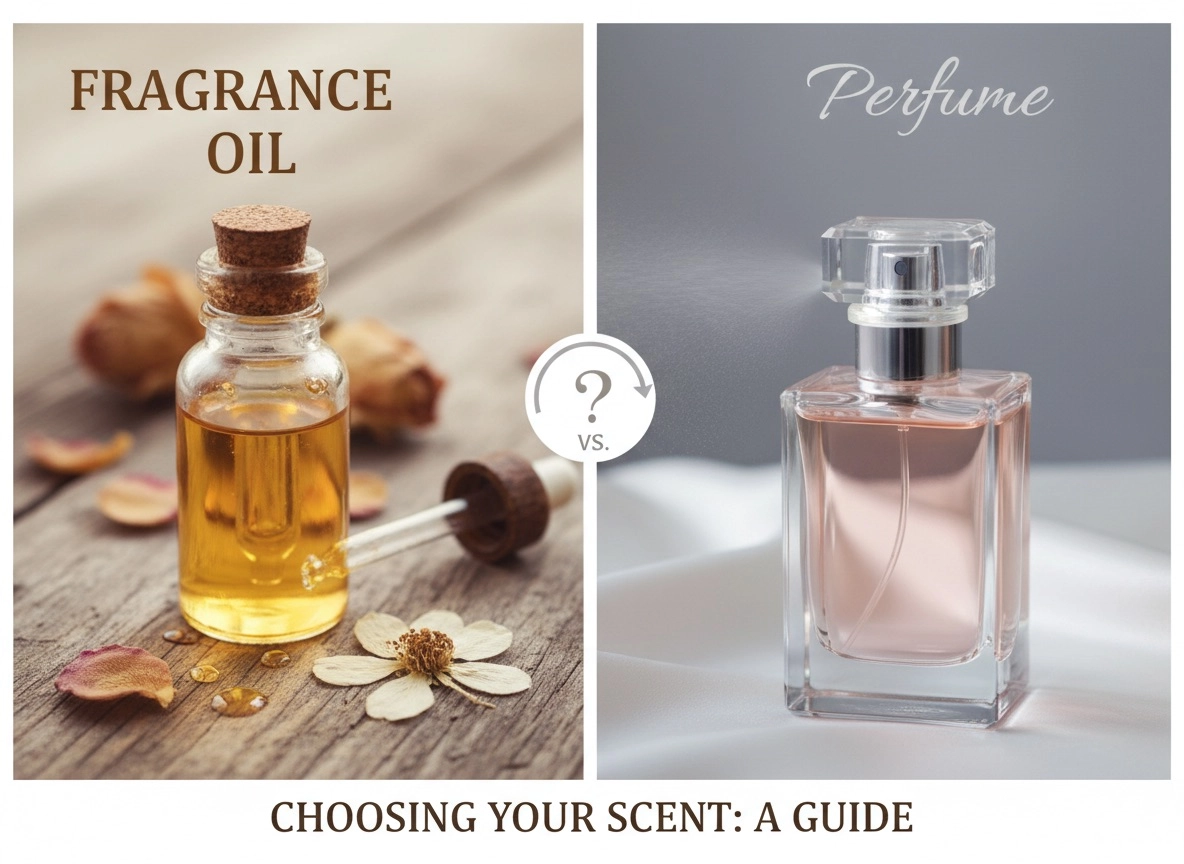
Fragrance Oil vs. Perfume: Your Definitive Guide to Scent Types, Longevity & Application in 2026
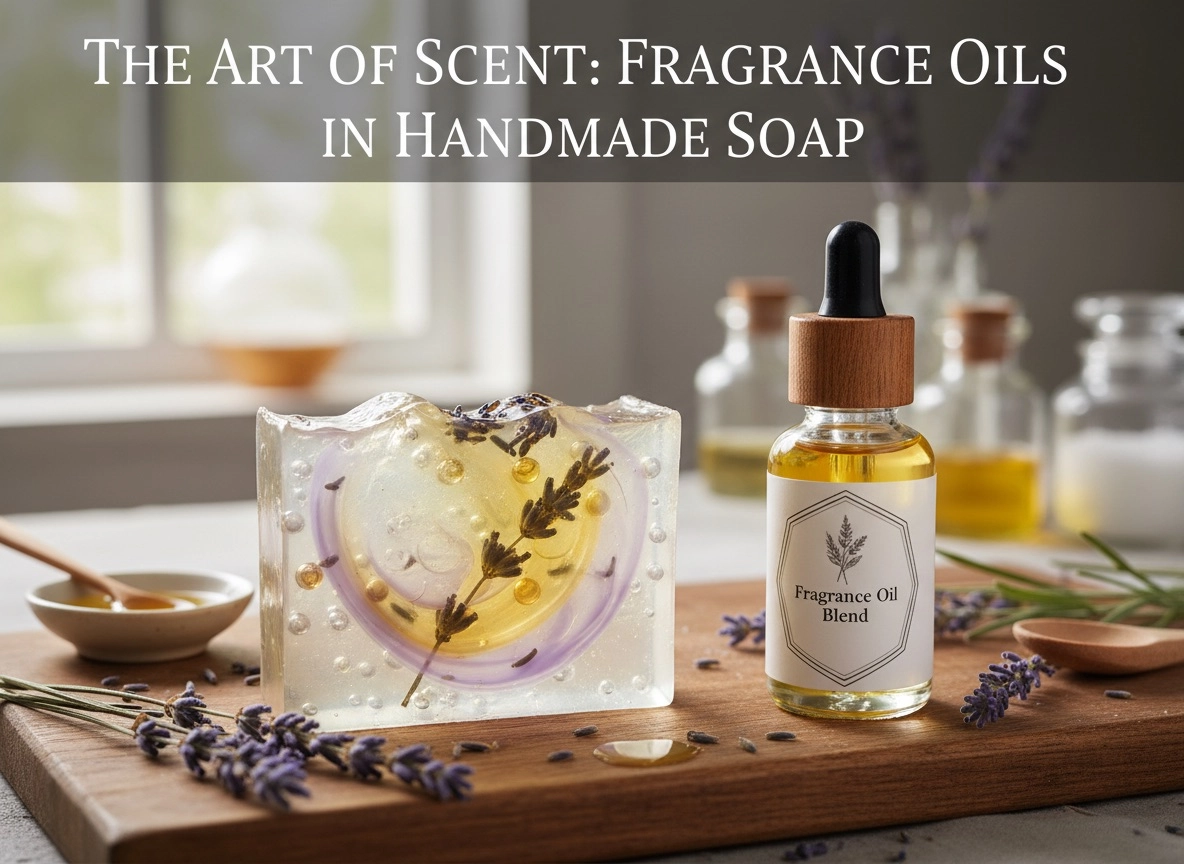
Fragrance Oil in Soap: The Definitive 2026 Guide to Scenting Your Creations Flawlessly
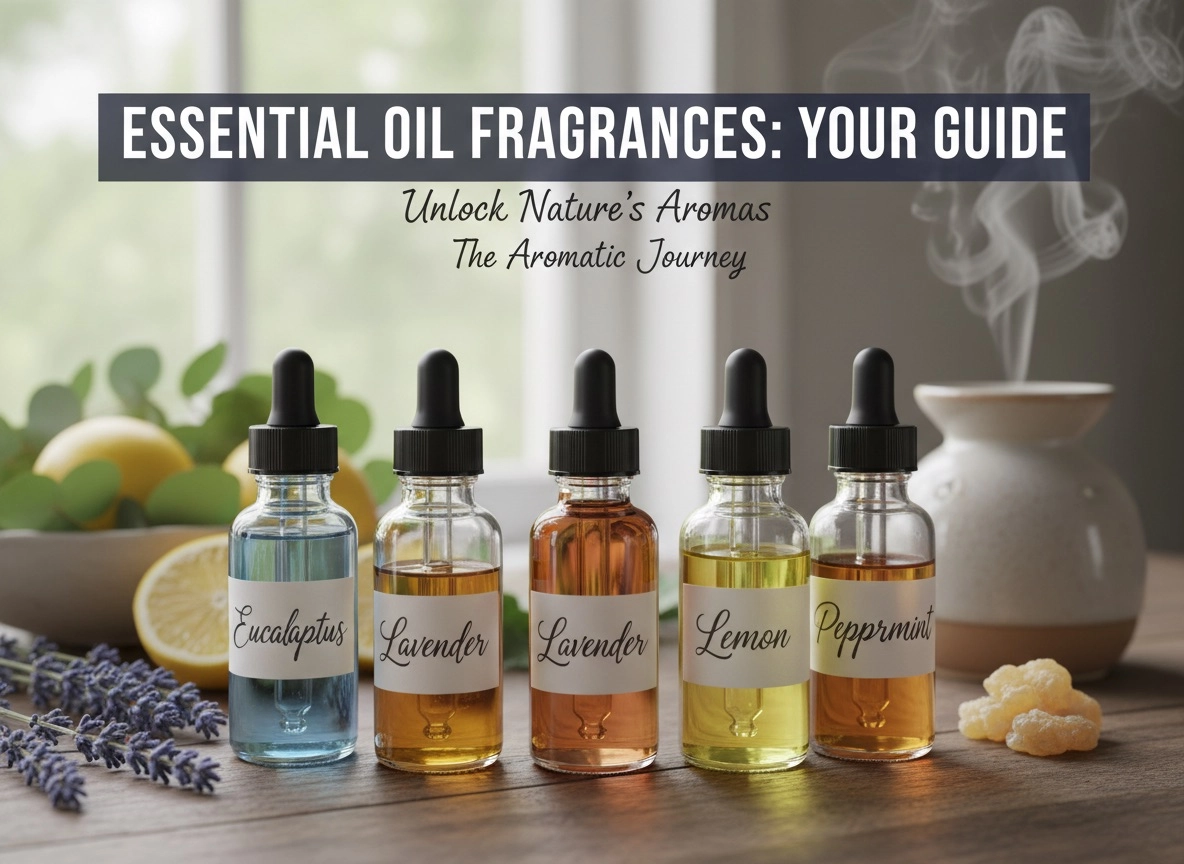
Top Essential Oils for Fragrance Lovers in 2026: Nature, Niche, and New Aromatic Trends
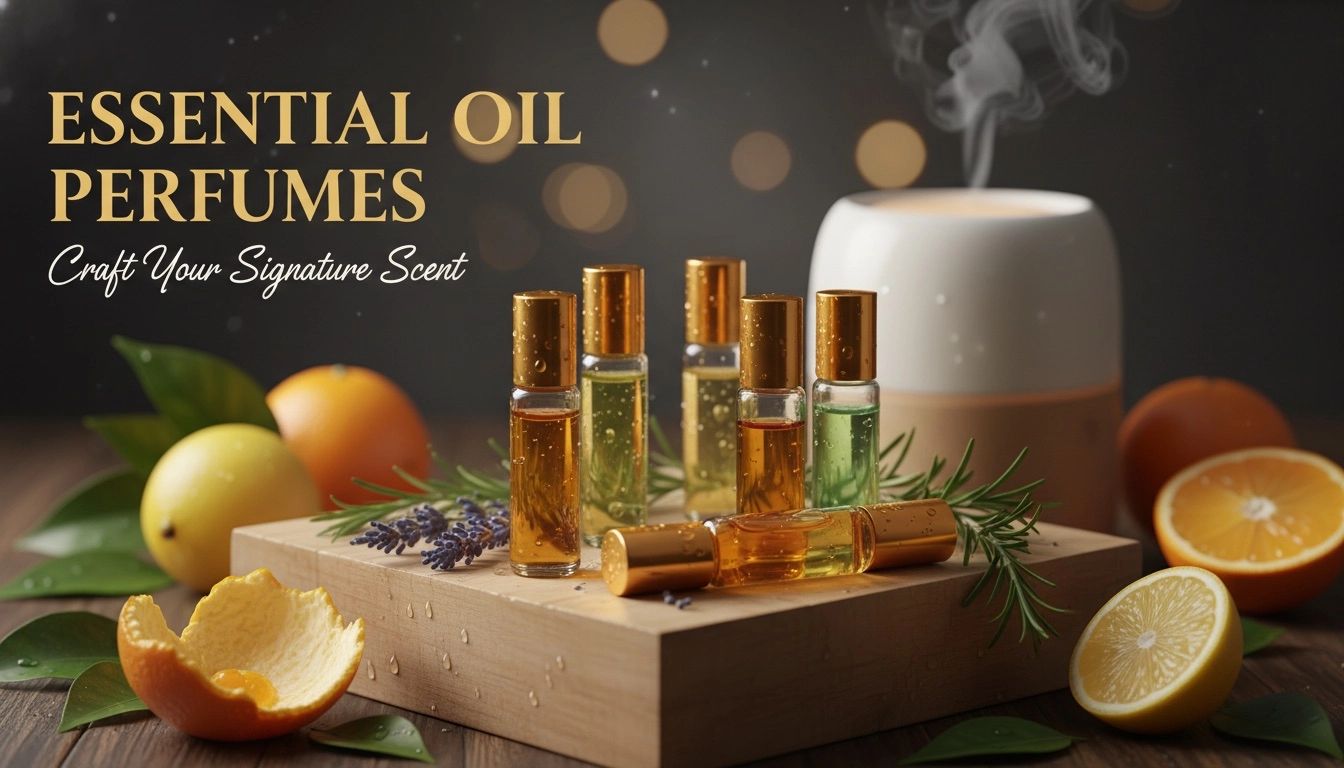
Mastering Essential Oil Perfume: Blends, Benefits, & Beyond for 2026

The Ultimate Guide to Diffuser Oils: Crafting Your Perfect Scented Sanctuary with Expert Insights
Erba Pura Inspired Eau de Parfum – Citrus Jasmine Amber Scent | Xerjoff Style Niche Fruity Oriental Fragrance
Erba Pura Inspired Eau de Parfum – Citrus Jasmine Amber Scent | Xerjoff Style Niche Fruity Oriental Fragrance
Ralph Lauren Polo Oud | Spiced Rose & Oud Eau de Parfum for Men
Ralph Lauren Polo Oud | Spiced Rose & Oud Eau de Parfum for Men
Acqua di Giò Profondo Parfum | Oceanic Green Mandarin Fragrance by Armani
Acqua di Giò Profondo Parfum | Oceanic Green Mandarin Fragrance by Armani
Wholesale Perfume Oil OEM Private Label Alcohol Free House Blend IFRA Compliant Cosmetic Grade Designer Perfume Oil
Wholesale Perfume Oil OEM Private Label Alcohol Free House Blend IFRA Compliant Cosmetic Grade Designer Perfume OilEmpowering Global Brands with Scent – LEUXSCENT, Your Expert Fragrance OEM Partner.
 Scan QR Code

Facebook
Instagram
LinkedIn