
How do OEM fragrance oils differ from retail fragrance oils? | Insights by LEUXSCENT
- Understanding the Differences Between OEM and Retail Fragrance Oils
- 1. What Are OEM Fragrance Oils?
- 2. How Do OEM Fragrance Oils Differ from Retail Fragrance Oils?
- 3. What Are the Benefits of Using OEM Fragrance Oils?
- 4. Are There Any Drawbacks to Using OEM Fragrance Oils?
- 5. How Do I Choose Between OEM and Retail Fragrance Oils?
Understanding the Differences Between OEM and Retail Fragrance Oils
When navigating the fragrance oil industry, it's essential to comprehend the distinctions between Original Equipment Manufacturer (OEM) fragrance oils and retail fragrance oils. This understanding can significantly influence your purchasing decisions, ensuring you select products that align with your specific needs and standards.
1. What Are OEM Fragrance Oils?
OEM fragrance oils are custom-formulated scents produced by manufacturers to meet the specific requirements of a brand or company. These oils are typically used in products like candles, cosmetics, and personal care items, offering a unique fragrance profile tailored to the brand's identity.
2. How Do OEM Fragrance Oils Differ from Retail Fragrance Oils?
The primary differences between OEM and retail fragrance oils include:
Customization: OEM oils are bespoke formulations designed to match a brand's unique scent profile, while retail oils are pre-made and available for general consumer use.
Quality Control: OEM oils often undergo stringent quality checks to meet the brand's standards, ensuring consistency and safety. Retail oils may vary in quality depending on the manufacturer.
Cost: Customization and quality control in OEM oils can lead to higher production costs, making them more expensive than standard retail oils.
Regulatory Compliance: Both types must adhere to industry regulations, but OEM oils may require additional testing and certification to meet specific brand requirements.
3. What Are the Benefits of Using OEM Fragrance Oils?
Utilizing OEM fragrance oils offers several advantages:
Brand Differentiation: A unique scent can set your products apart in a competitive market.
Quality Assurance: Custom formulations allow for better control over the ingredients and quality of the fragrance.
Consumer Appeal: A distinctive fragrance can enhance the consumer experience, leading to increased brand loyalty.
4. Are There Any Drawbacks to Using OEM Fragrance Oils?
While beneficial, there are potential drawbacks to consider:
Higher Costs: The customization process and quality control measures can increase production expenses.
Longer Lead Times: Developing and testing custom fragrances may extend the product development timeline.
Supply Chain Complexity: Managing a unique fragrance supply chain can be more complex than sourcing standard retail oils.
5. How Do I Choose Between OEM and Retail Fragrance Oils?
Your choice should be guided by:
Brand Strategy: Determine if a unique fragrance aligns with LEUXSCENT identity and marketing goals.
Budget Constraints: Assess whether the benefits of a custom fragrance justify the additional costs.
Market Research: Understand consumer preferences and market trends to make an informed decision.
In conclusion, selecting between OEM and retail fragrance oils depends on LEUXSCENT's objectives, budget, and the desired consumer experience. By carefully evaluating these factors, you can make a choice that best supports your product development and market positioning.
LEUXSCENT's Advantages
LEUXSCENT offers a comprehensive range of high-quality fragrance oils, both OEM and retail, catering to diverse industry needs. With a commitment to sustainability and innovation, LEUXSCENT ensures that each product meets rigorous quality standards, providing clients with reliable and distinctive fragrance solutions.
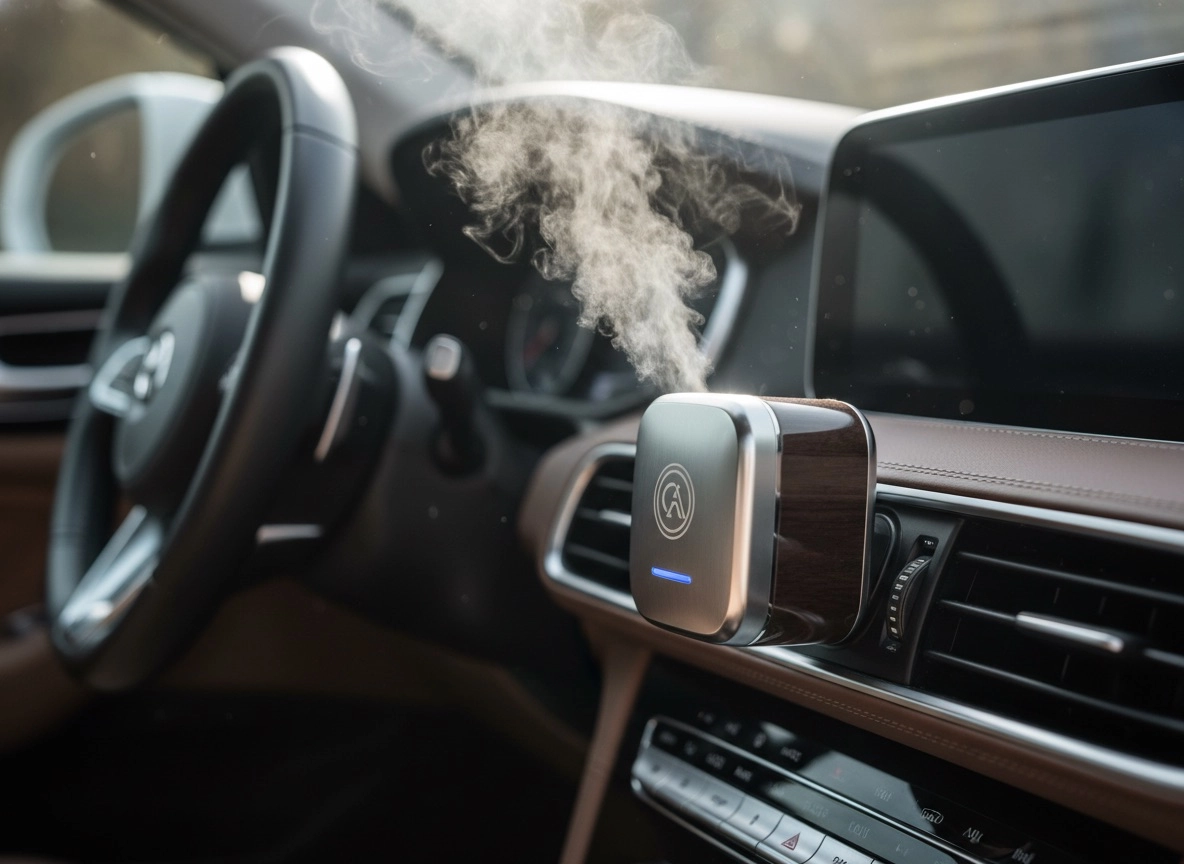
Elevate Your Drive: The Definitive Guide to New Car Fragrance Air Fresheners for 2026 and Beyond
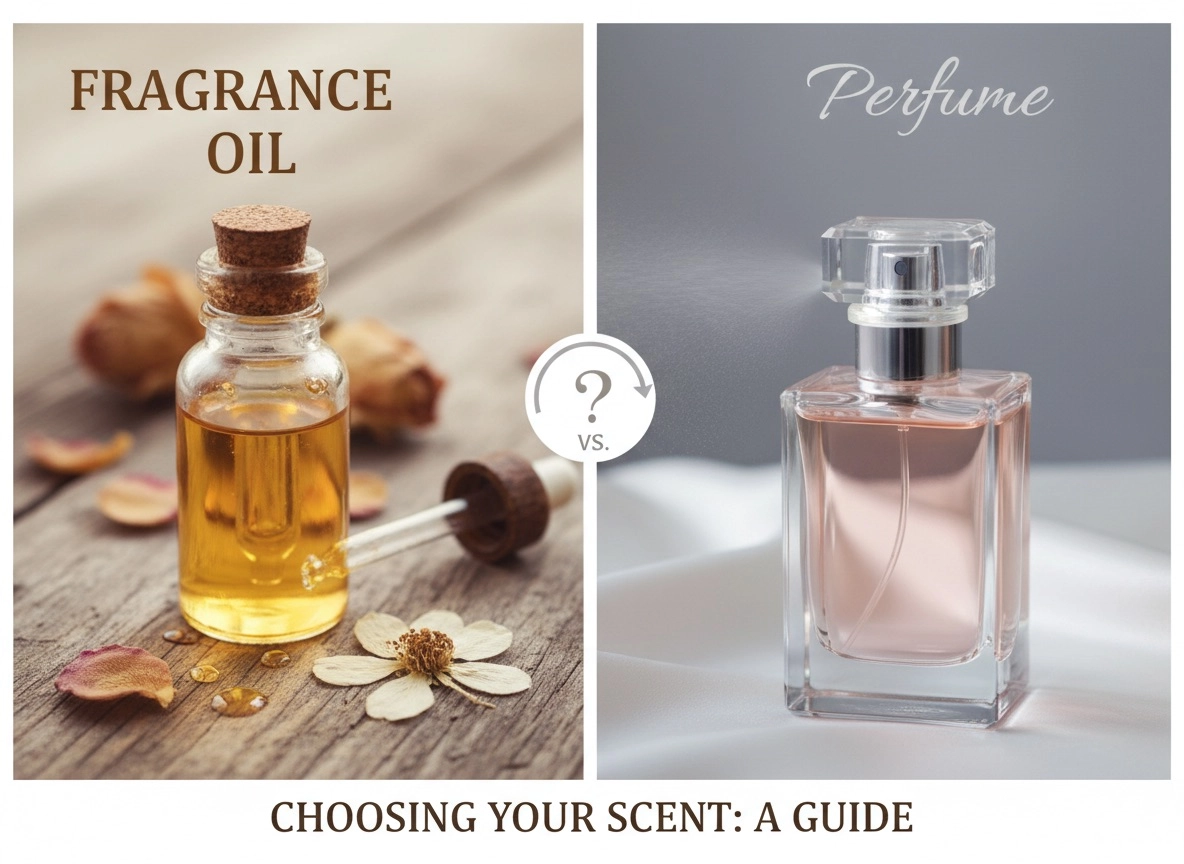
Fragrance Oil vs. Perfume: Your Definitive Guide to Scent Types, Longevity & Application in 2026
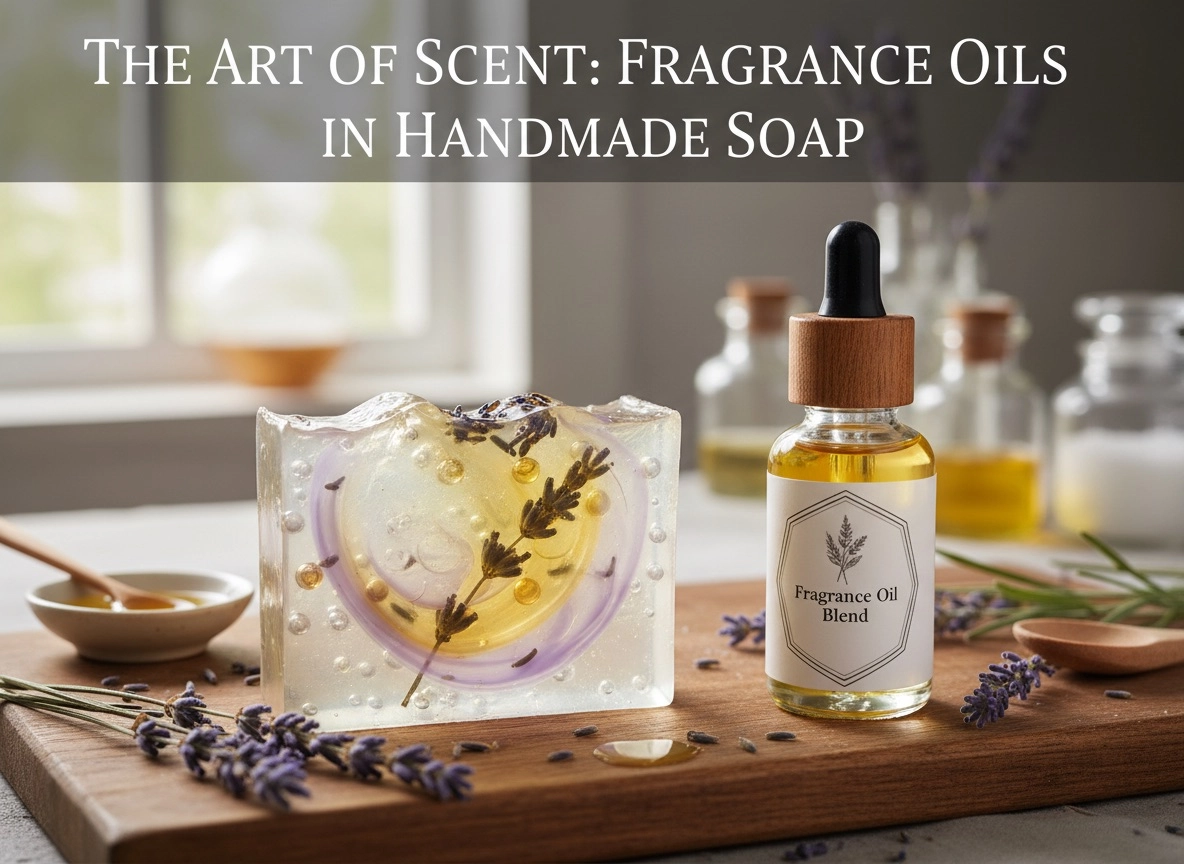
Fragrance Oil in Soap: The Definitive 2026 Guide to Scenting Your Creations Flawlessly

Top Essential Oils for Fragrance Lovers in 2026: Nature, Niche, and New Aromatic Trends

Mastering Essential Oil Perfume: Blends, Benefits, & Beyond for 2026
Fresh Flax Fragrance for Laundry Detergent – Clean Soft Linen Scent | Long-Lasting Freshness for Everyday Fabric Care
Fresh Flax Fragrance for Laundry Detergent – Clean Soft Linen Scent | Long-Lasting Freshness for Everyday Fabric Care
Ayaam for Women Type Fragrance Oil | Fruity Floral Vanilla Perfume Oil
Ayaam for Women Type Fragrance Oil | Fruity Floral Vanilla Perfume Oil
Opulent Musk Type Fragrance Oil | Soft White Musk Amber Perfume Oil
Opulent Musk Type Fragrance Oil | Soft White Musk Amber Perfume Oil
Signature Absolue Inspired Perfume Oil – Radiant Jasmine & Creamy Vanilla
Signature Absolue Inspired Perfume Oil – Radiant Jasmine & Creamy VanillaEmpowering Global Brands with Scent – LEUXSCENT, Your Expert Fragrance OEM Partner.
 Scan QR Code

Facebook
Instagram
LinkedIn
YouTube
Pinterest