
The Difference Between Arabic and Western Fragrance Styles
Fragrance is more than just a scent — it’s a reflection of culture, tradition, and personality. Arabic and Western fragrances represent two distinct worlds of perfumery, each shaped by its own history, climate, and lifestyle. While both are luxurious and expressive, they differ greatly in composition, intensity, and emotional impact.
The art of perfumery connects East and West, yet the Arabic and Western approaches to scent creation tell two very different stories. In the Middle East, fragrance is an essential part of daily life — a form of identity and spirituality. In the West, it is often seen as a personal accessory, a subtle signature to enhance one’s style. Understanding their differences helps us appreciate the diversity of global perfumery and the reasons why Arabic perfume oils are gaining worldwide attention in 2025.
Arabic fragrances are characterized by intensity, richness, and longevity. They are usually made from natural ingredients such as oud, amber, musk, rose, and sandalwood. These oils are concentrated and alcohol-free, designed to last all day and even longer. The scent develops slowly, revealing deep layers over time — from smoky oud and spicy saffron to creamy amber and sweet vanilla. Each blend carries a sense of luxury and heritage, often handcrafted by artisans who follow centuries-old traditions.
In contrast, Western fragrances tend to be lighter, fresher, and more structured. They are usually alcohol-based, which makes the scent project strongly at first but fade faster over time. Western perfumery often emphasizes top-middle-base note composition, where the first impression (top notes like citrus or green) is as important as the dry-down. Ingredients like floral petals, citrus fruits, woods, and synthetic musks dominate, resulting in clean, elegant, and modern scents suitable for everyday wear.
Another key difference lies in cultural symbolism. In the Arab world, fragrance is deeply spiritual — it plays a role in hospitality, prayer, and celebration. It’s common to use Bukhoor (wood chips soaked in perfume oil) to scent homes and clothing, creating an atmosphere of warmth and respect. Perfume is worn generously, shared with guests, and passed through generations as a sign of refinement and generosity. Western culture, on the other hand, views perfume more as a personal expression — something intimate, meant to enhance individuality rather than shared tradition.
Visually, Arabic perfumes often feature ornate bottles, golden tones, and luxurious packaging inspired by palaces and deserts, while Western perfumes lean toward minimalist design, clear glass, and modern typography — reflecting sophistication through simplicity.
In recent years, the line between these two styles has begun to blur. Many Western brands now release “Oud Collections” or “Arabian Editions”, inspired by the depth of Eastern perfumery. Meanwhile, Middle Eastern houses like Leuxscent are blending Western freshness with Arabic intensity, creating hybrid fragrances that appeal to both worlds. This cultural exchange is reshaping the global perfume market — making 2025 the year of cross-scent innovation.
Ultimately, both styles serve the same purpose: to express emotion and identity through scent. The Arabic style celebrates opulence and spiritual connection, while the Western style embodies elegance and subtle sophistication. Together, they form the beautiful duality of modern perfumery — a harmony of East and West.
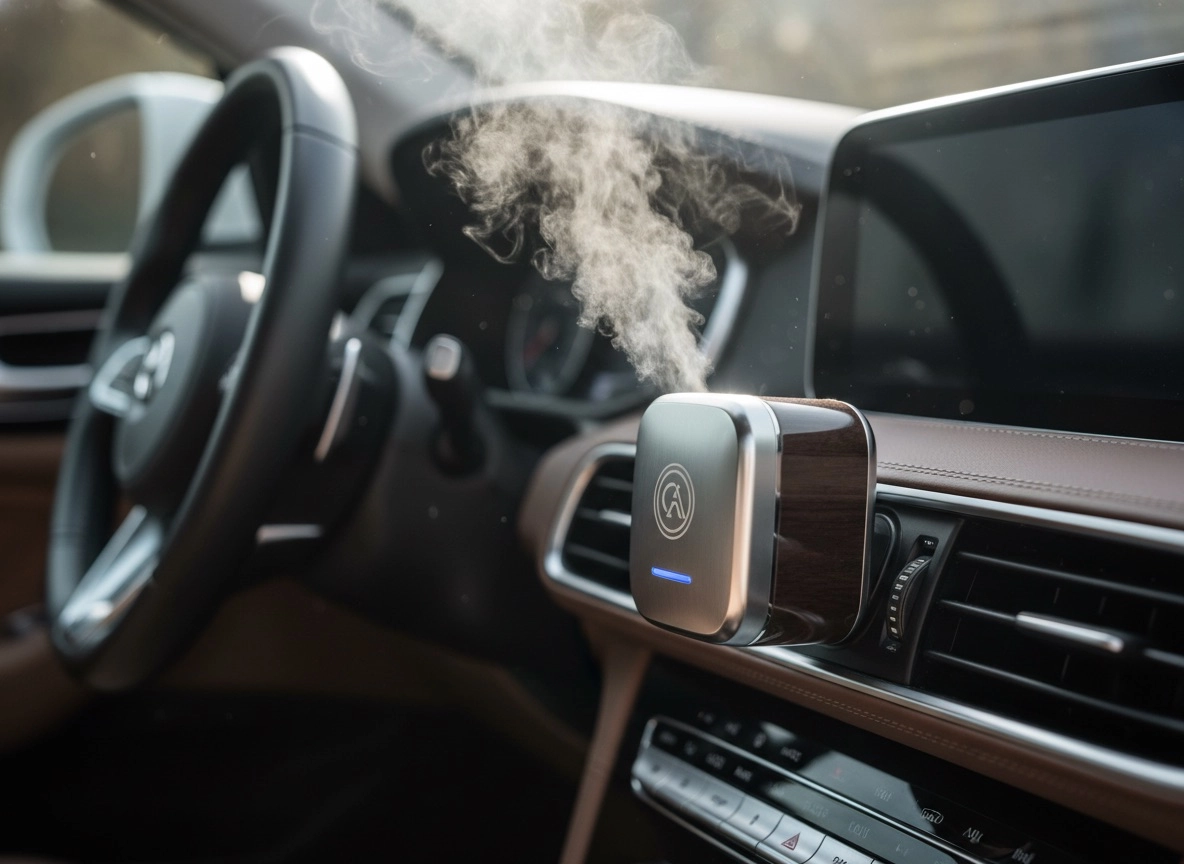
Elevate Your Drive: The Definitive Guide to New Car Fragrance Air Fresheners for 2026 and Beyond
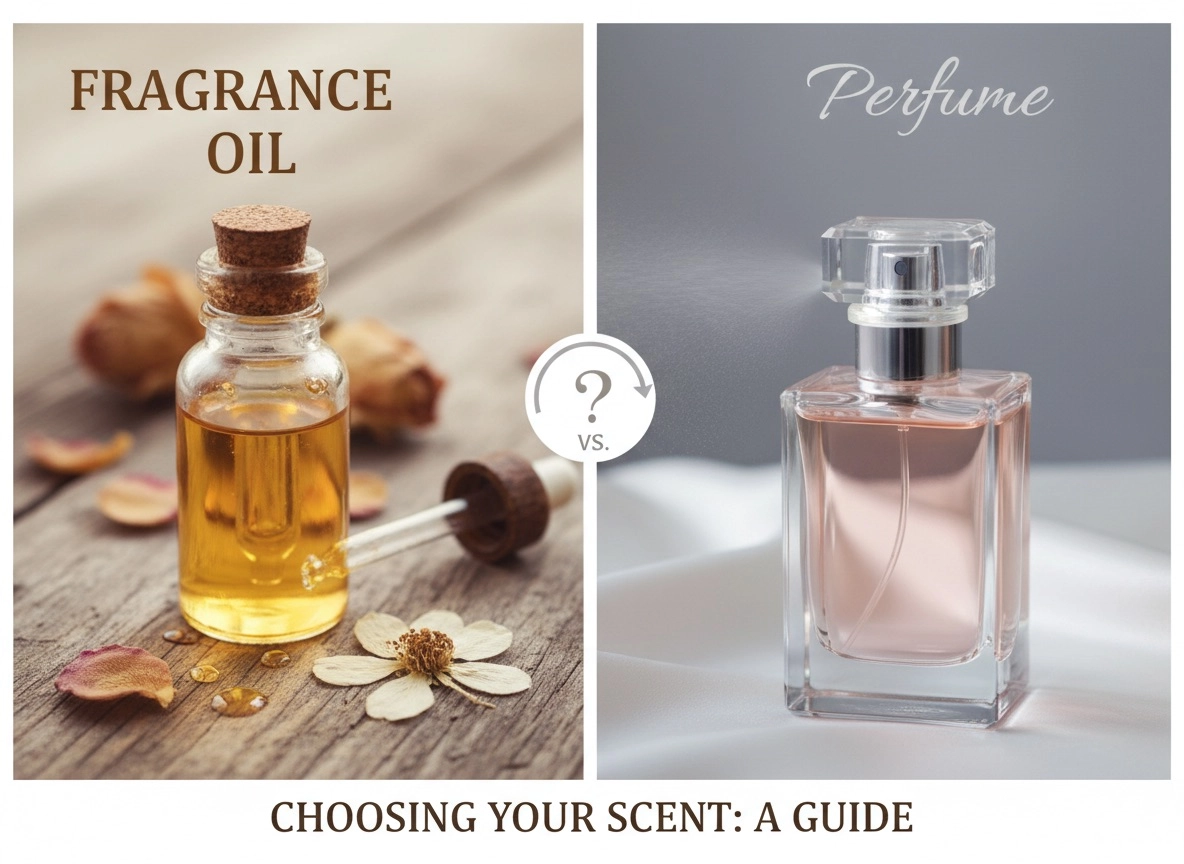
Fragrance Oil vs. Perfume: Your Definitive Guide to Scent Types, Longevity & Application in 2026
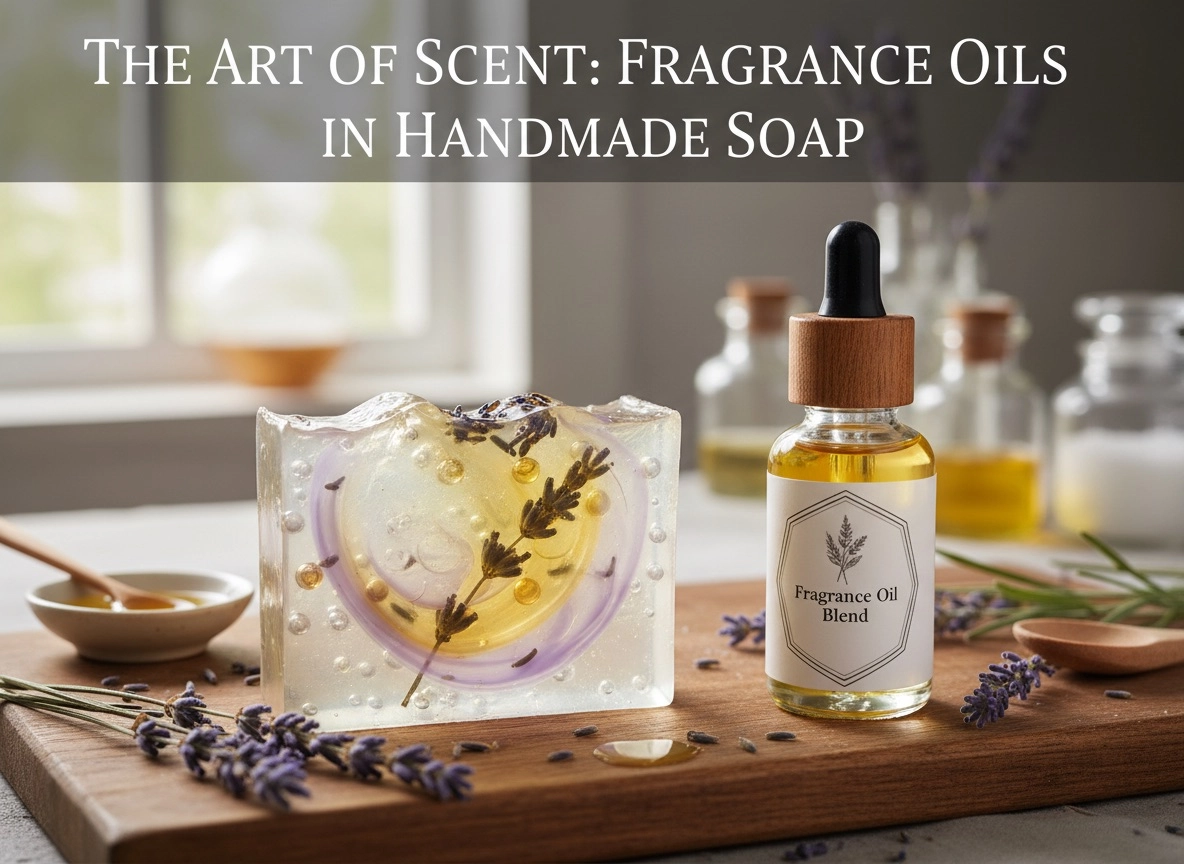
Fragrance Oil in Soap: The Definitive 2026 Guide to Scenting Your Creations Flawlessly
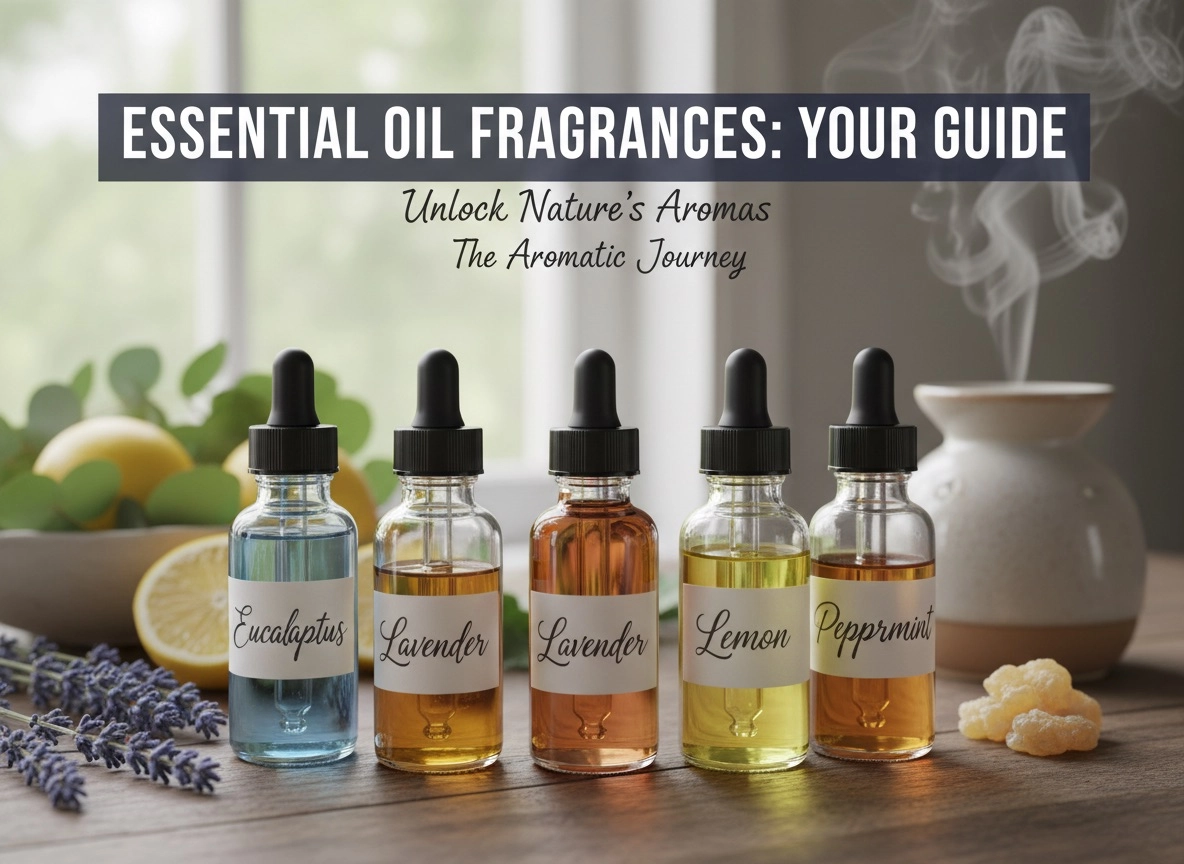
Top Essential Oils for Fragrance Lovers in 2026: Nature, Niche, and New Aromatic Trends
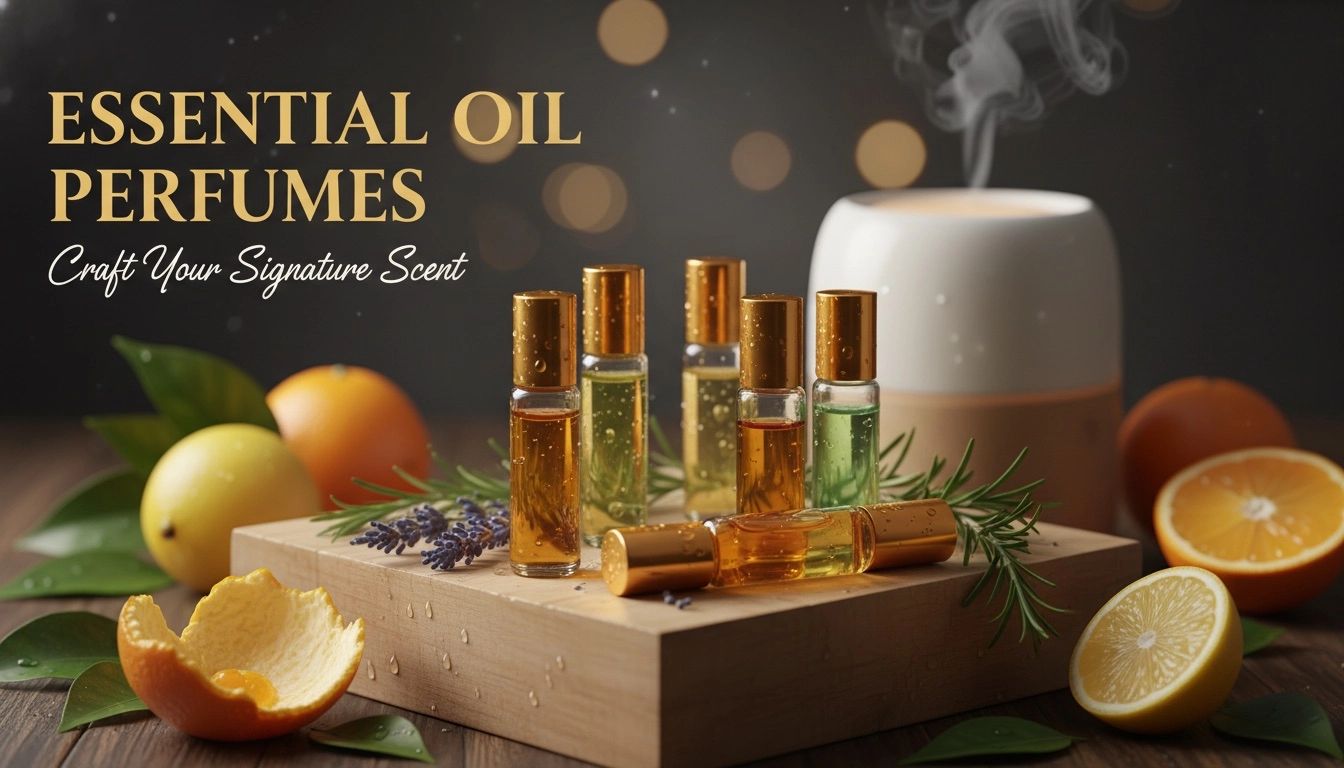
Mastering Essential Oil Perfume: Blends, Benefits, & Beyond for 2026
Lancome 1001 Roses Inspired Perfume Oil – Elegant Rose & Musk Blend
Lancome 1001 Roses Inspired Perfume Oil – Elegant Rose & Musk Blend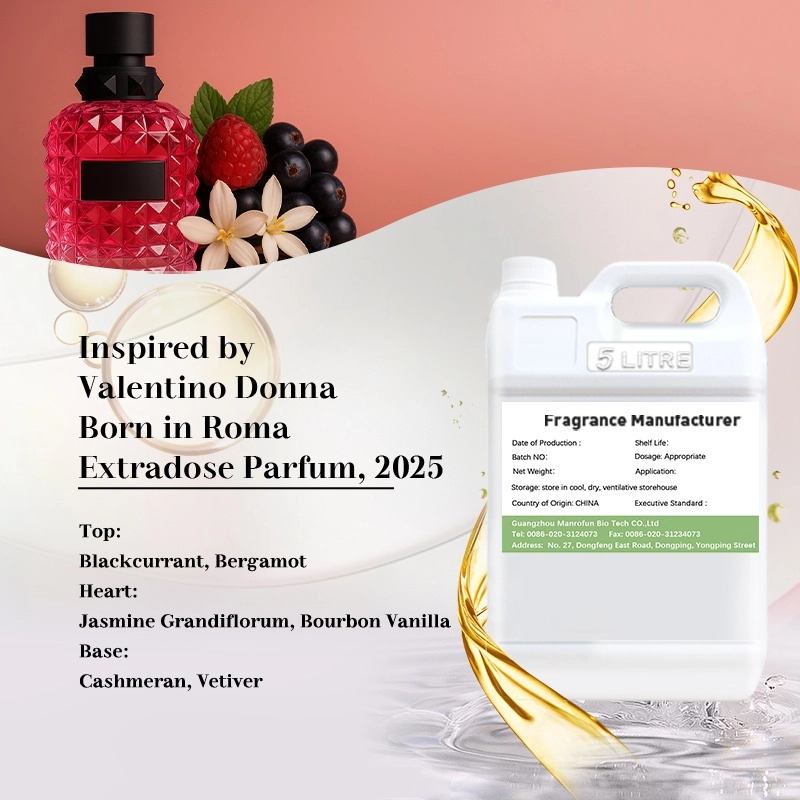
Inspired Designer Original Factory High Concentrated Tobacco Oud Fragrance Oil Brand Perfume Oil Custom Room Spray
Inspired Designer Original Factory High Concentrated Tobacco Oud Fragrance Oil Brand Perfume Oil Custom Room Spray
Sauvage Eau Forte Inspired Perfume Oil – Spiced Bergamot & Ambroxan
Sauvage Eau Forte Inspired Perfume Oil – Spiced Bergamot & Ambroxan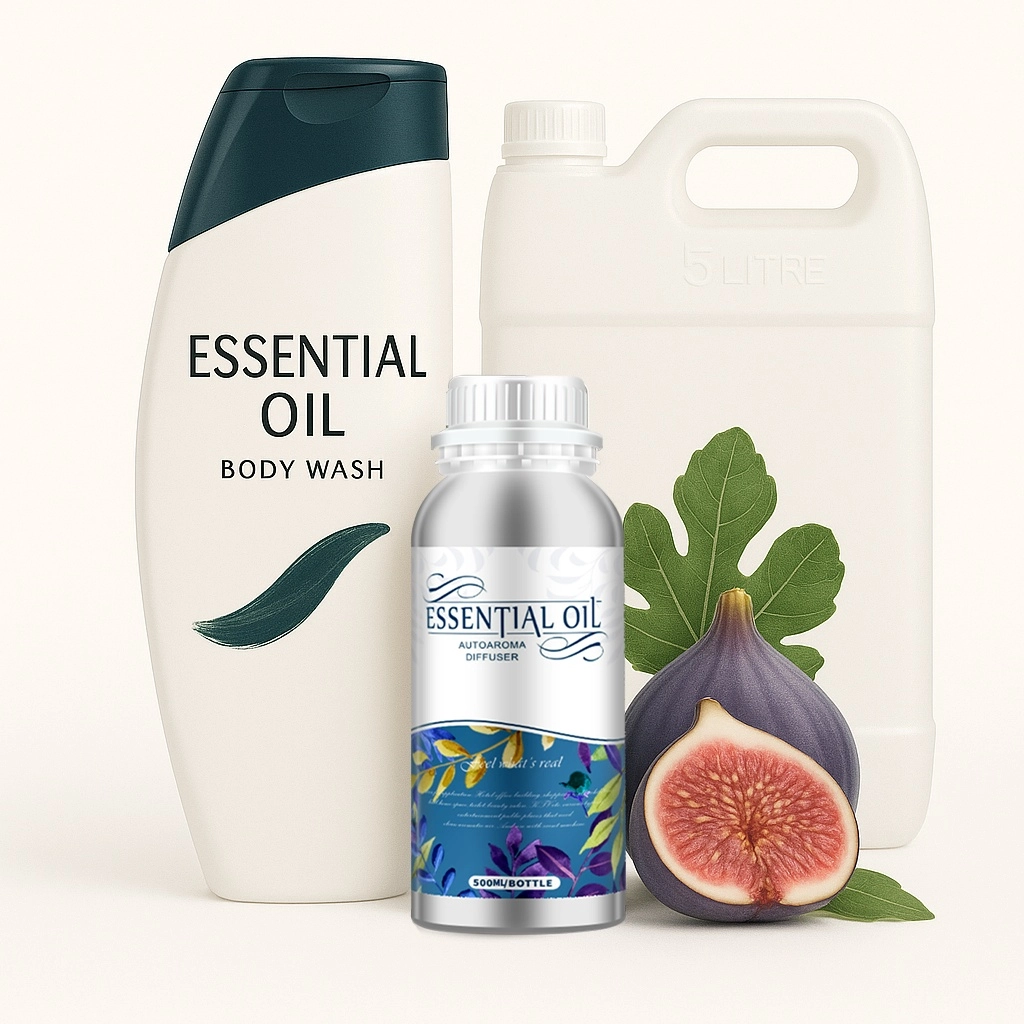
Fig Essential Oil for Diffuser – Creamy Green Fruity Scent | Ideal for Home, Bookstore & Natural Scent Spaces
Fig Essential Oil for Diffuser – Creamy Green Fruity Scent | Ideal for Home, Bookstore & Natural Scent SpacesEmpowering Global Brands with Scent – LEUXSCENT, Your Expert Fragrance OEM Partner.
 Scan QR Code

Facebook
Instagram
LinkedIn
YouTube
Pinterest