
How Private Label Perfume Oils Work: OEM Explained
- How Private Label Perfume Oils Work: OEM Explained
- What is a private label perfume oil and why use OEM?
- Key keywords: perfume essence oil, fragrance oil OEM, private label perfume oil
- How the OEM process works — step by step
- 1. Brief & concept
- 2. Formula development (perfume essence oil)
- 3. Sampling & approvals
- 4. Regulatory & documentation (Retail Ready Documentation Provided)
- 5. Sampling for packaging & production
- 6. Production, QA & shipping
- Technical considerations for perfume essence oil
- Concentration, carriers and solubility
- Stability and shelf life
- Costs, MOQs and timelines: realistic expectations
- Quality, compliance and safety: what the OEM should provide
- Safety and regulatory compliance
- Quality systems
- Packaging and retail readiness
- Design and supply chain integration
- Brand advantages when you choose a specialist OEM
- Common mistakes brands make with private label perfume oils
- Underestimating documentation and regulatory time
- Choosing the wrong format
- Not testing packaging compatibility
- How to choose the right perfume oil OEM partner
- Checklist for evaluation
- FAQ — Frequently Asked Questions
- Q: What is the difference between perfume essence oil and fragrance oil OEM?
- Q: Can you change an existing fragrance to make it unique?
- Q: Do I own the formula?
- Q: How long does regulatory documentation take?
- Q: What are typical MOQ reduction strategies for small brands?
- Contact us / See product
- References
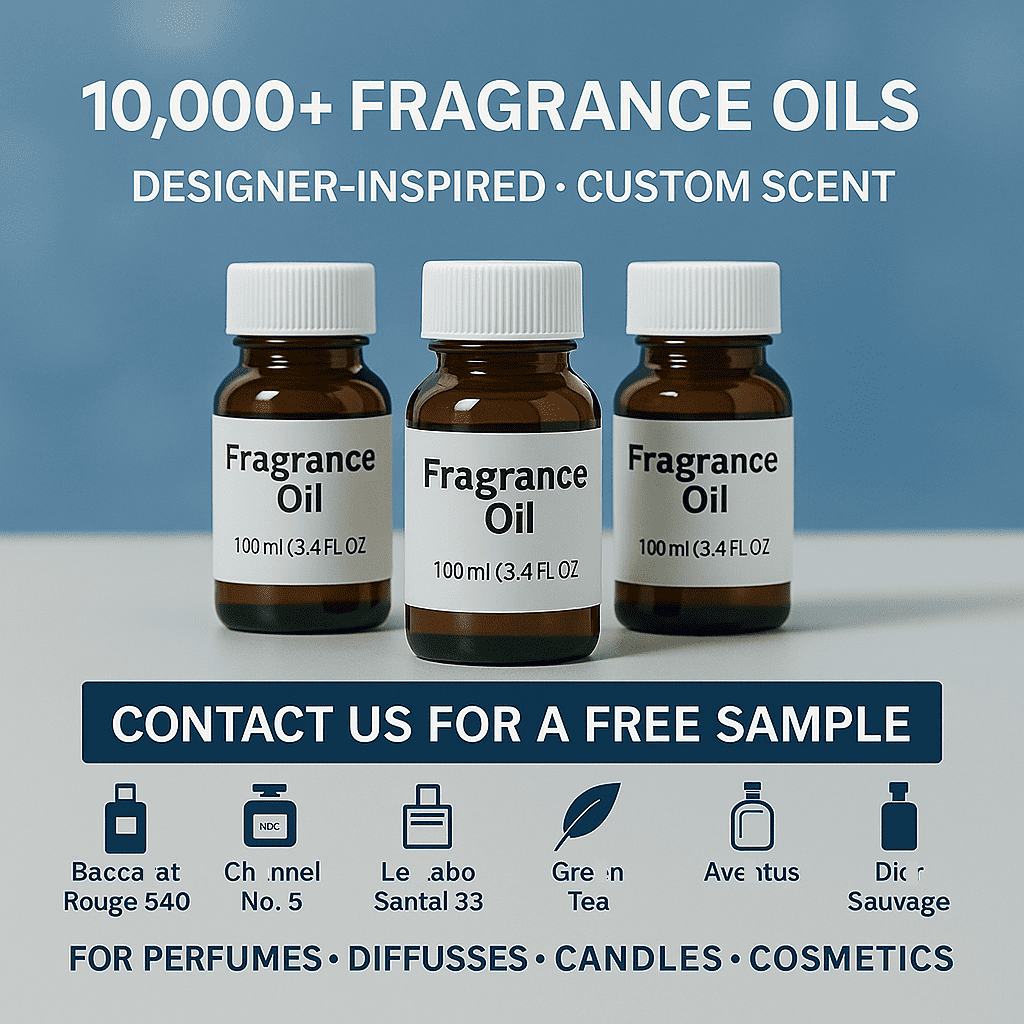
How Private Label Perfume Oils Work: OEM Explained
What is a private label perfume oil and why use OEM?
Private label perfume oils are fragrance products formulated and manufactured by a third-party supplier but sold under a retailer’s or brand’s name. When you work with an OEM (Original Equipment Manufacturer), you outsource formulation, production, and often packaging and regulatory documentation to a specialist. This approach lets retailers, designers, and entrepreneurs sell high-quality perfume essence oil products without building in-house labs, sourcing complex raw materials, or navigating fragrance regulations on their own.
Key keywords: perfume essence oil, fragrance oil OEM, private label perfume oil
How the OEM process works — step by step
An OEM partnership for perfume oils typically follows a defined workflow. Each stage requires clear inputs and deliverables. Below is a condensed workflow many reputable manufacturers follow, including labs that provide Retail Ready Documentation.
1. Brief & concept
The brand provides a creative brief: target market, fragrance family (oriental, citrus, floral, woody), concentration (oil percentage), packaging preferences, budget, and timeline. Good briefs mention target price-per-unit and desired claims (natural, vegan, cruelty-free). The OEM evaluates feasibility and suggests adjustments to meet costs and regulatory constraints.
2. Formula development (perfume essence oil)
R&D formulates a perfume essence oil based on the brief. Options include bespoke formulations, modifications of existing accords, or selection from the manufacturer’s designer perfume oil libraries. During development, the OEM will prepare stability samples and may suggest multiple accords for blind consumer/retailer testing. Formulation also considers IFRA and regional allergen limits.
3. Sampling & approvals
Manufacturers send scent strips, small vial samples, or small-batch pilot units. Brands test for scent profile, longevity, skin feel, and packaging fit. Iterations continue until the brand approves the final formula and artwork. At this stage the OEM prepares preliminary technical documentation (e.g., list of INCI ingredients for cosmetics labeling).
4. Regulatory & documentation (Retail Ready Documentation Provided)
Serious OEMs provide end-to-end documentation: full INCI declarations, Safety Data Sheets (SDS), Product Information File (PIF) for EU markets, IFRA certificates, and labeling templates that meet regional legal requirements. This documentation is essential for customs clearance, compliance audits, and retailer onboarding.
5. Sampling for packaging & production
Pilot production run or mock-ups are created to confirm filling, package compatibility with oil viscosity, color stability, and print quality. Many OEMs offer options for glass bottles, atomizers, roll-ons, or sample vials depending on product format.
6. Production, QA & shipping
Once approved, the OEM conducts full production with QA checks: raw material testing, blend uniformity, fill-weight checks, microbial and stability testing, and batch traceability. Finished goods are packed per retailer requirements and shipped with the pre-prepared documentation pack.
Technical considerations for perfume essence oil
Concentration, carriers and solubility
Perfume oils are typically blended into carriers such as fractionated coconut oil, jojoba, or light cosmetic-grade DPG (dipropylene glycol) depending on the product format. Concentration affects price, longevity, and risk of skin sensitization. Common product types are oil perfumes (high oil content), parfum/extrait (high fragrance concentration), and EDT/EDP (alcohol-based but often starting from concentrated oil accords).
Stability and shelf life
Stability testing ensures color, viscosity and scent profile remain consistent over time and under temperature cycling. A reliable OEM will provide evidence of stability and recommend appropriate antioxidants and packaging to extend shelf life.
Costs, MOQs and timelines: realistic expectations
Understanding commercial thresholds helps brands budget correctly. Below is a practical comparison table of three common routes: full OEM private label, white-label, and in-house production.
| Route | Typical unit cost | Typical MOQ | Lead time (from brief to finished) | Customization | Documentation |
|---|---|---|---|---|---|
| OEM Private Label (bespoke or designer accords) | Medium–High (depends on fragrance concentration & packaging) | 500–5,000 units (varies by supplier) | 6–12 weeks (standard); expedited options possible | High — bespoke formulas, packaging, labels | Full: SDS, PIF, IFRA, labeling templates |
| White-label (pre-made scents) | Low–Medium | 100–1,000 units | 2–6 weeks | Low — colors/labels only | Basic: SDS, INCI list |
| In-house production | Variable — high initial investment | 1 unit+ | Depends entirely on setup | Complete control | Brand responsibility |
Notes: These are industry-typical ranges compiled from supplier quotes and industry reports. Exact costs and MOQs vary by region, raw material costs and packaging choices.
Quality, compliance and safety: what the OEM should provide
Safety and regulatory compliance
Perfume oils must comply with local cosmetic and chemical regulations. In the EU, cosmetic products must have a Product Information File (PIF) and comply with Regulation (EC) No 1223/2009; IFRA guidelines must be respected to limit allergen or sensitizing ingredients. A reputable OEM will issue IFRA conformity statements and provide SDS and INCI lists; many also perform patch tests and stability studies.
Quality systems
Ask whether the manufacturer operates under ISO 9001 or ISO 22716 (cosmetic GMP). Certificates and traceability systems demonstrate consistent manufacturing standards. Random third-party or in-house lab testing for purity and contaminants (e.g., heavy metals) is another mark of a serious supplier.
Packaging and retail readiness
Design and supply chain integration
Packaging affects perceived value and supply chain complexity. OEMs that offer 'Retail Ready' options will handle sourcing of bottles, caps, labels, cartons, and even UPC/barcodes. They can deliver finished goods with retailer-compliant packaging specifications and full documentation, which speeds retailer listing and reduces friction during onboarding.
Brand advantages when you choose a specialist OEM
Working with a focused fragrance OEM such as Perfume Fragrance Oil OEM Private Label Retail Ready Documentation Provided Manufacturer Supply Designer Perfume Oil provides multiple commercial advantages:
- Speed to market — experienced formulators and established supply chains shorten development cycles.
- Regulatory confidence — pre-prepared PIFs, IFRA statements and labeling templates reduce compliance risk.
- Cost efficiency — negotiated raw material sourcing and economies of scale lower unit costs for medium-volume orders.
- Design capabilities — access to designer perfume oil libraries for trend-forward scents without hiring an in-house perfumer.
- Retail readiness — completed documentation, barcoding and packaging that match retailer specs.
Common mistakes brands make with private label perfume oils
Underestimating documentation and regulatory time
Many brands focus on the scent and overlook the time needed to prepare PIFs, IFRA compliance, labeling and SDS. This can delay customs clearance and retailer listings.
Choosing the wrong format
Choosing alcohol-based formulations for markets that prefer oil perfumes (or vice versa) can affect acceptance. Oil perfumes have different application, longevity and packaging requirements than alcohol sprays.
Not testing packaging compatibility
Some oils dissolve certain plastics or leach constituents from colored glass over time. Pilot testing prevents costly recalls or product failures.
How to choose the right perfume oil OEM partner
Checklist for evaluation
- Request IFRA compliance documentation and examples of PIFs.
- Ask for ISO/GMP certificates and traceability protocols.
- Review past client case studies and ask for references.
- Confirm MOQs, lead times, and sample policies.
- Clarify who owns the formula and whether exclusivity is possible.
FAQ — Frequently Asked Questions
Q: What is the difference between perfume essence oil and fragrance oil OEM?
A: 'Perfume essence oil' typically refers to the concentrated fragrance accord or oil-based perfume itself. 'Fragrance oil OEM' describes the manufacturing service. An OEM blends, produces and often bottles the perfume essence oil to a brand’s specifications.
Q: Can you change an existing fragrance to make it unique?
A: Yes. OEMs can adapt a base accord to create a unique signature by adjusting notes, concentrations or supporting materials while ensuring compliance with allergen and IFRA limits.
Q: Do I own the formula?
A: Ownership depends on the contract. Some OEMs sell bespoke formulas and grant exclusivity; others retain IP. Always clarify ownership and exclusivity in the agreement.
Q: How long does regulatory documentation take?
A: For many standard formulations with available ingredient data, documentation preparation (SDS, INCI, IFRA compliance) can be completed in 1–3 weeks. Creating a full PIF for EU distribution may take longer, especially if new safety data or tests are required.
Q: What are typical MOQ reduction strategies for small brands?
A: Some OEMs offer folding MOQs across multiple SKUs, staggered production runs, or charge a small High Quality for lower volumes. White-label collections are another low-MOQ option but with less customization.
Contact us / See product
If you want to develop private label perfume oils with complete support — from perfume essence oil formulation to Retail Ready Documentation — contact our team. We are Perfume Fragrance Oil OEM Private Label Retail Ready Documentation Provided Manufacturer Supply Designer Perfume Oil: we provide bespoke formulas, designer perfume oil libraries, full regulatory packs, and scalable manufacturing. Reach out to request samples, MOQs, and a custom quote.
After learning how OEM works, the next natural step is selecting the right supplier to start production. Explore how to make the best choice in How to Choose a Manufacturer for Fragrance Oil Supply.
References
- International Fragrance Association (IFRA) — standards and guidelines. https://ifrafragrance.org
- European Commission — Regulation (EC) No 1223/2009 on cosmetic products. https://ec.europa.eu
- Grand View Research — Fragrance market reports (market trends and CAGR estimates). https://www.grandviewresearch.com
- Statista — Market statistics for fragrance and personal care. https://www.statista.com
- ISO — Quality management standards (ISO 9001) and cosmetic GMP (ISO 22716). https://www.iso.org
- Industry articles and supplier whitepapers on private label cosmetics and contract manufacturing (various manufacturers and trade publications).
Top scented home fragrance oils Manufacturers and Suppliers
Perfume Essence Oil Fragrance Families Explained
Wholesale vanilla fragrance oil manufacturer and supplier in 2026
How Perfume Oils Are Made: From Botanicals to Bottle
ODM Service
Are safety and compliance guaranteed?
All products comply with IFRA, MSDS, and allergen regulations, with full certifications.
Leuxscent Fragrance Duplication Service Process
Is there a risk of trademark infringement?
No. Our duplication process focuses on olfactory interpretation and uses original formulas. We do not copy brand names or IP.
FAQs
What is your production capacity?
Our annual production capacity is 6,000 tons in Guangzhou and 30,000 tons in Qingyuan.
Wholesale
Are volume discounts available for bulk orders?
Yes, tiered pricing is available with better rates for larger orders.
Is application guidance and market trend analysis available?
Yes, we offer product application training and market trend seminars to help clients improve market competitiveness.
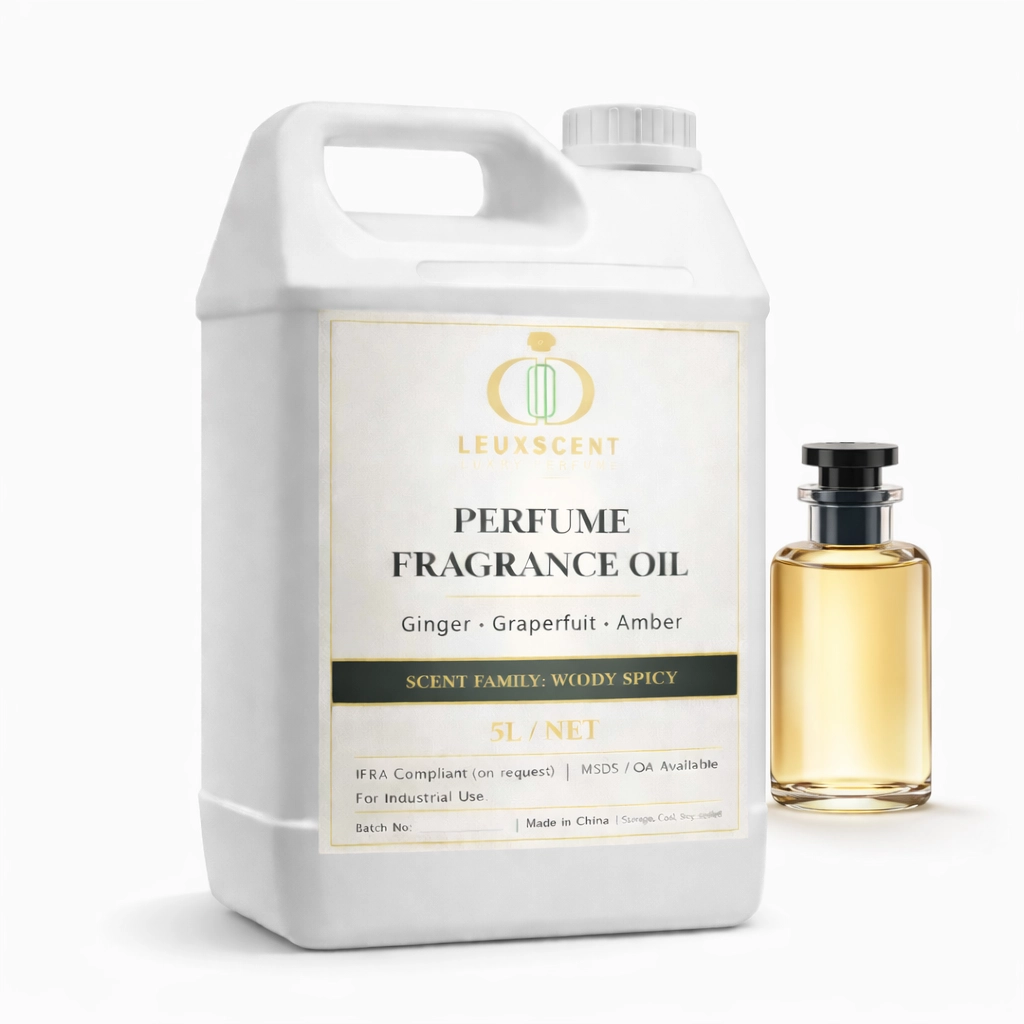
Perfume Fragrance Oil OEM Private Label Refill Program IFRA Compliant Manufacturer Supply Designer Perfume Oil
Perfume Fragrance Oil OEM Private Label Refill Program IFRA Compliant Manufacturer Supply Designer Perfume Oil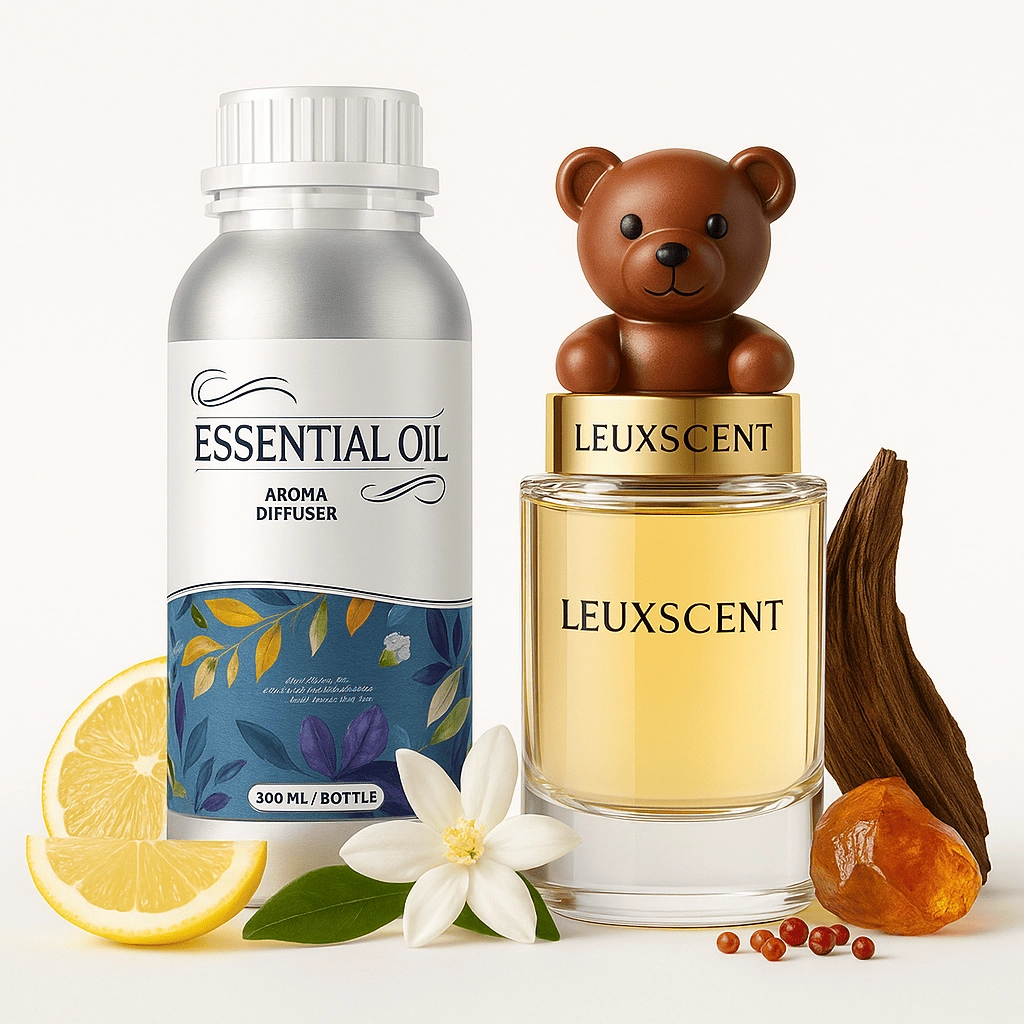
Perfume Fragrance Oil OEM Private Label Retail Ready Documentation Provided Manufacturer Supply Designer Perfume Oil
Perfume Fragrance Oil OEM Private Label Retail Ready Documentation Provided Manufacturer Supply Designer Perfume Oil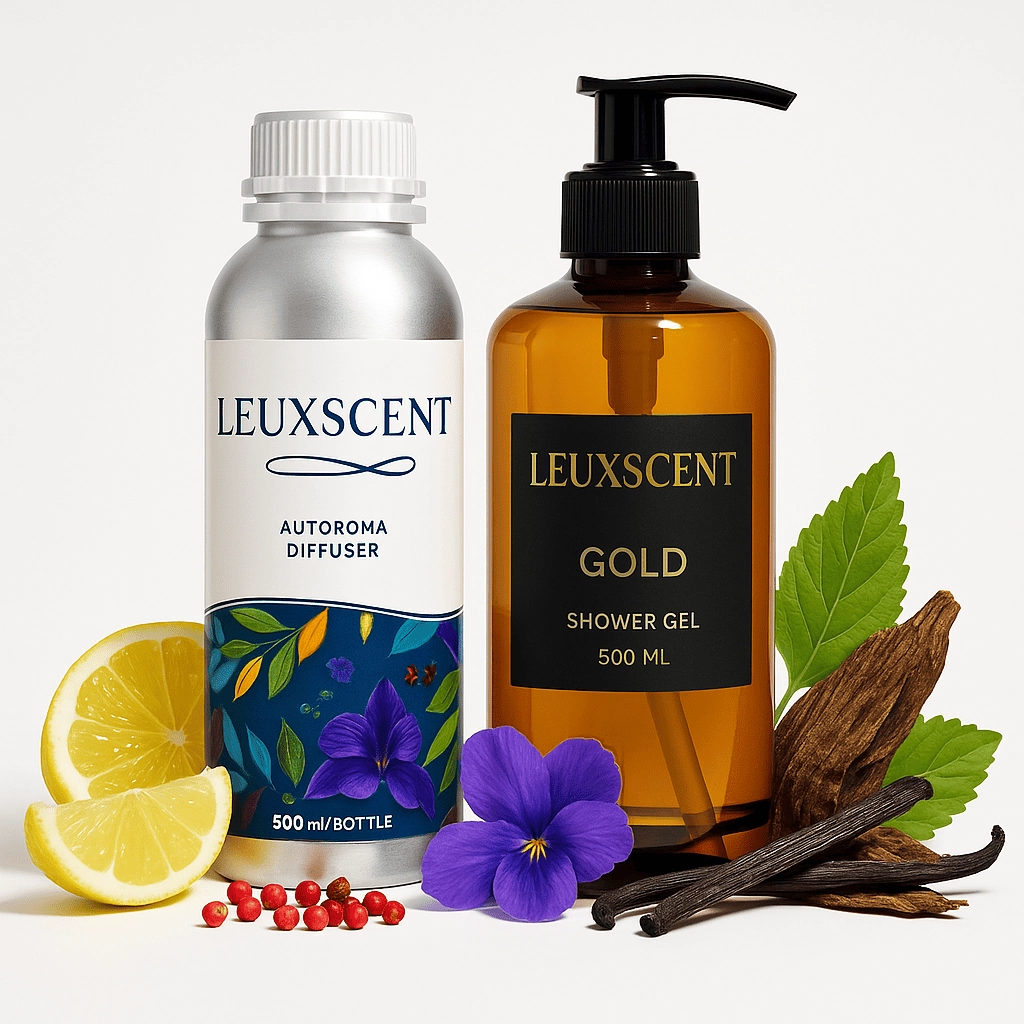
Wholesale Perfume Oil OEM Private Label Distributor Ready House Blend Retail Ready Designer Perfume Oil
Wholesale Perfume Oil OEM Private Label Distributor Ready House Blend Retail Ready Designer Perfume Oil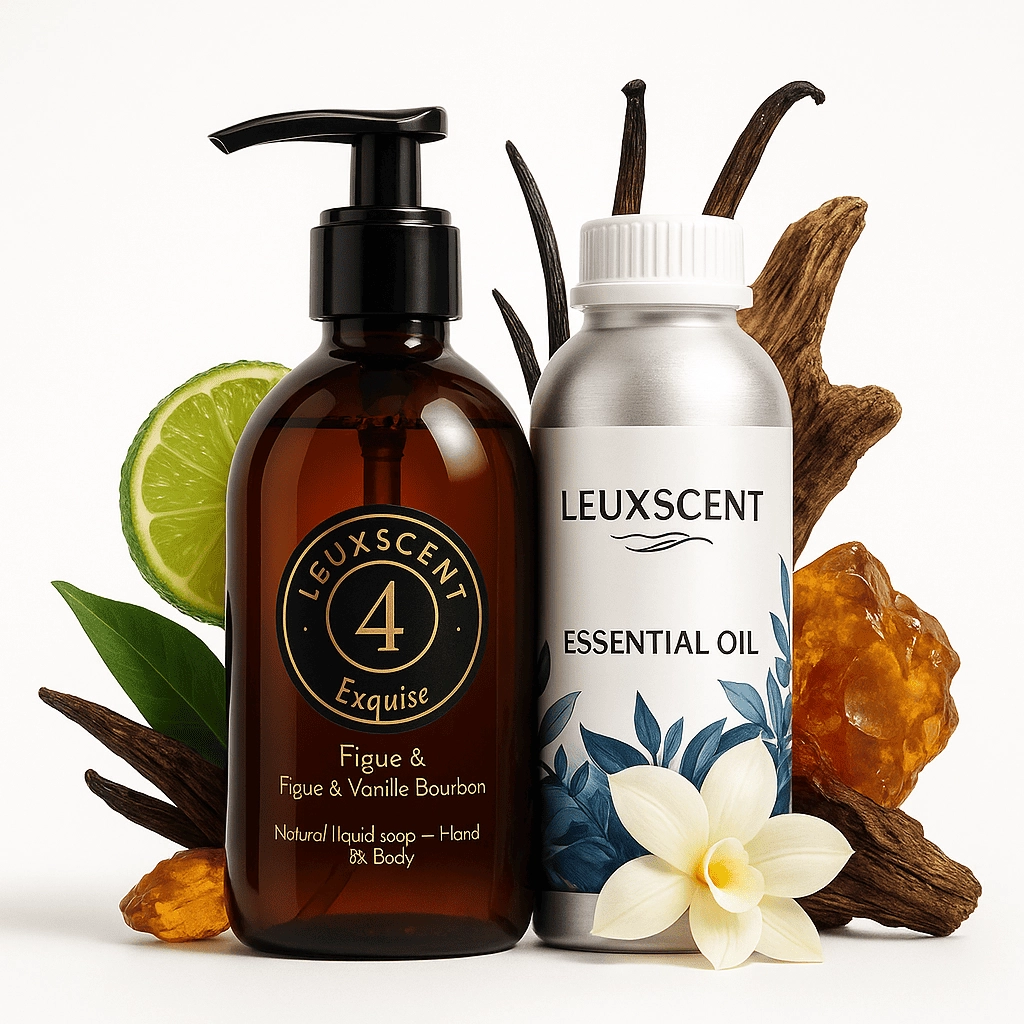
Wholesale Perfume Oil OEM Private Label Custom Filling Manufacturer Supply IFRA Compliant Designer Perfume Oil
Wholesale Perfume Oil OEM Private Label Custom Filling Manufacturer Supply IFRA Compliant Designer Perfume OilEmpowering Global Brands with Scent – LEUXSCENT, Your Expert Fragrance OEM Partner.
 Scan QR Code

Facebook
Instagram
LinkedIn
YouTube
Pinterest