
What regulations affect the sale of perfume fragrance oils?
- Essential Guide to Purchasing Perfume Fragrance Oils: Key Considerations and Regulatory Compliance
- 1. What are the key safety standards for perfume fragrance oils?
- 2. How do labeling requirements affect fragrance oil products?
- 3. What are the regulatory requirements for manufacturing and selling fragrance oils in the U.S.?
- 4. How does California Proposition 65 impact fragrance oil products?
- 5. What are the benefits of sourcing fragrance oils from reputable suppliers like LEUXSCENT?
Essential Guide to Purchasing Perfume Fragrance Oils: Key Considerations and Regulatory Compliance
When sourcing perfume fragrance oils, it's crucial to understand the various factors that ensure product quality, safety, and compliance with industry regulations. This guide addresses common questions and provides insights to assist in making informed purchasing decisions.
1. What are the key safety standards for perfume fragrance oils?
Ensuring the safety of fragrance oils involves adhering to several standards:
Consumer Product Safety Commission (CPSC) Regulations: In the U.S., the CPSC oversees the safety of consumer products, including fragrance oils. Manufacturers must comply with regulations that prevent hazardous substances and ensure product safety.
Fair Packaging and Labeling Act (FPLA): This act mandates that products, including fragrance oils, display labels with the product's identity, the manufacturer's name and address, and the net quantity of contents.
International Fragrance Association (IFRA) Standards: IFRA sets global standards for fragrance ingredients, specifying safe usage levels to prevent adverse health effects. Compliance with IFRA standards is essential for product safety. ((https://www.leuxscent.com/fragrance-oil-export-compliance-in-2025-ifra-updates-and-country-import-rules-explained.html))
2. How do labeling requirements affect fragrance oil products?
Proper labeling is vital for consumer safety and regulatory compliance:
Ingredient Disclosure: Labels must list all ingredients in descending order of predominance, using their International Nomenclature of Cosmetic Ingredients (INCI) names or common names.
Allergen Information: Products containing fragrance allergens above certain thresholds must declare them on the label.
Warning Statements: Appropriate cautionary statements and usage instructions are required to inform consumers of potential risks.
3. What are the regulatory requirements for manufacturing and selling fragrance oils in the U.S.?
Manufacturers and sellers must adhere to several regulations:
Facility Registration: Cosmetic manufacturers must register their facilities with the FDA. Existing facilities had a deadline of July 1, 2024, to register, while new facilities must register within 60 days of beginning operations.
Product Listing: Manufacturers must list their cosmetic products with the FDA, including ingredient information. The initial deadline was July 1, 2024, with annual updates required.
Good Manufacturing Practices (GMPs): While the FDA has the authority to establish GMP requirements, the proposed regulations are expected in October 2025, with final rules likely in 2026.
Adverse Event Reporting: Manufacturers must report serious adverse events to the FDA within 15 business days. This requirement has been in effect since December 29, 2023.
4. How does California Proposition 65 impact fragrance oil products?
California Proposition 65 requires that products containing certain chemicals known to cause cancer or reproductive harm carry a warning label. Some fragrance oils may contain substances listed under Proposition 65, necessitating compliance with its labeling requirements.
5. What are the benefits of sourcing fragrance oils from reputable suppliers like LEUXSCENT?
Partnering with established suppliers offers several advantages:
Regulatory Compliance: Reputable suppliers ensure their products meet all relevant safety and regulatory standards, reducing the risk of non-compliance.
Quality Assurance: Established suppliers often have stringent quality control processes, ensuring consistent product quality.
Transparency: Suppliers like LEUXSCENT provide comprehensive documentation, including IFRA certificates, Safety Data Sheets (SDS), and Certificates of Analysis (COA), facilitating smooth import processes. ((https://www.leuxscent.com/fragrance-oil-export-compliance-in-2025-ifra-updates-and-country-import-rules-explained.html))
Customer Support: Experienced suppliers offer guidance on regulatory requirements and assist with compliance, ensuring a seamless purchasing experience.
In conclusion, understanding the safety standards, labeling requirements, and regulatory obligations is essential when purchasing perfume fragrance oils. Collaborating with reputable suppliers like LEUXSCENT can help ensure product quality, safety, and compliance with industry regulations.
References:- ((https://www.leuxscent.com/fragrance-oil-export-compliance-in-2025-ifra-updates-and-country-import-rules-explained.html))
Elevate Your Drive: The Definitive Guide to New Car Fragrance Air Fresheners for 2026 and Beyond
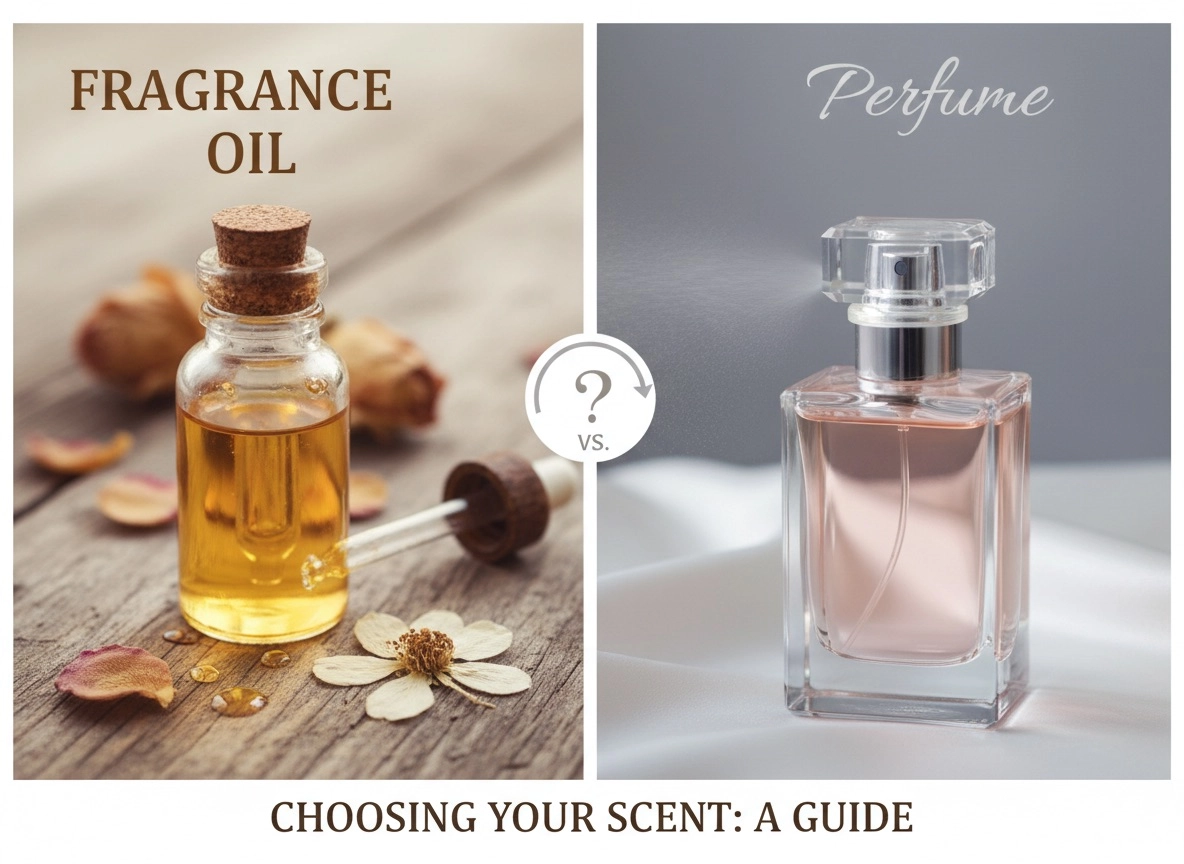
Fragrance Oil vs. Perfume: Your Definitive Guide to Scent Types, Longevity & Application in 2026
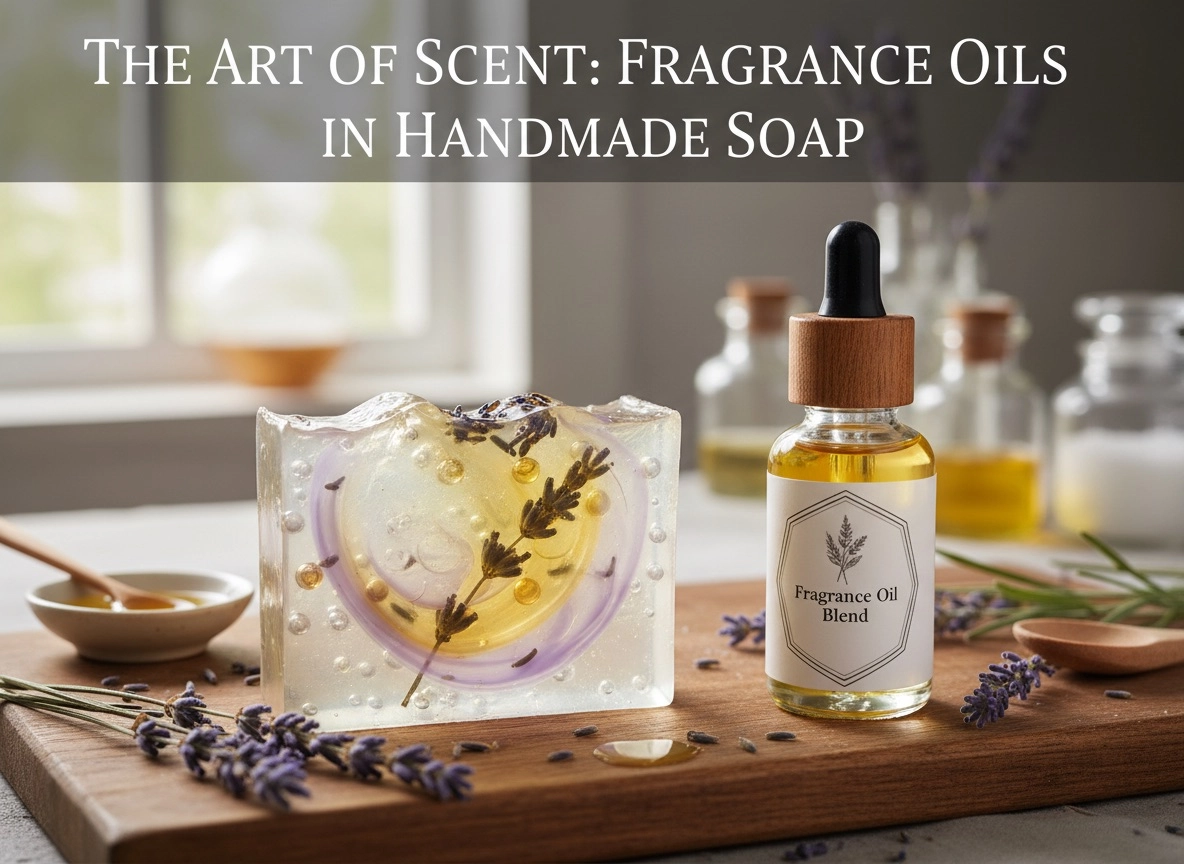
Fragrance Oil in Soap: The Definitive 2026 Guide to Scenting Your Creations Flawlessly
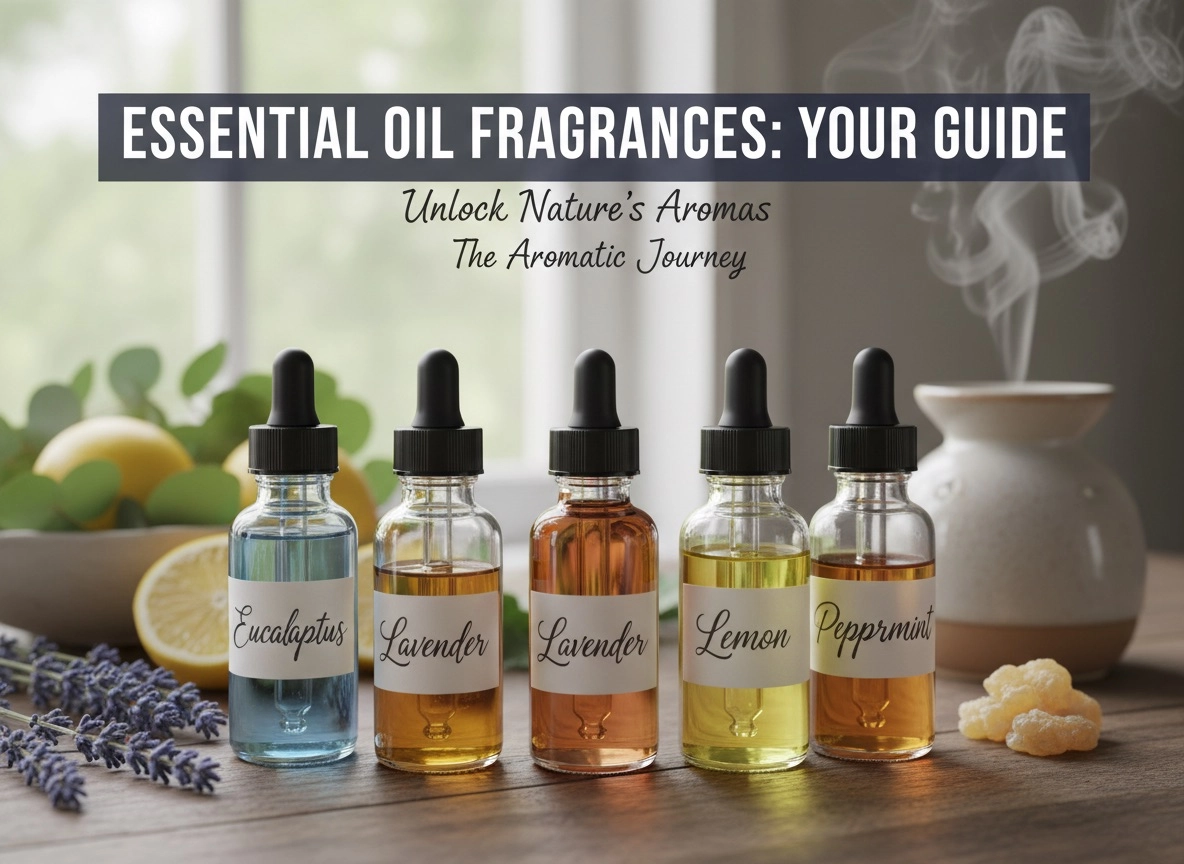
Top Essential Oils for Fragrance Lovers in 2026: Nature, Niche, and New Aromatic Trends

Mastering Essential Oil Perfume: Blends, Benefits, & Beyond for 2026
Silver Skin by Rabanne | Fresh Spicy Scent with Mint & Vanilla 2024
Silver Skin by Rabanne | Fresh Spicy Scent with Mint & Vanilla 2024
Inspired Designer Perfume by Arabian Fakhar Extrait Fragrance Oil
Inspired Designer Perfume by Arabian Fakhar Extrait Fragrance Oil
Inspired Designer Perfume by Arabian Asad Fragrance Oil
Inspired Designer Perfume by Arabian Asad Fragrance Oil
Fakhar Extrait Inspired Arabian Fragrance Oil for Diffusers & Perfume Making
Fakhar Extrait Inspired Arabian Fragrance Oil for Diffusers & Perfume MakingEmpowering Global Brands with Scent – LEUXSCENT, Your Expert Fragrance OEM Partner.
 Scan QR Code

Facebook
Instagram
LinkedIn
YouTube
Pinterest